The word ratty has been known to mean ‘shabby, untidy or in bad condition’. The rat bikes preceded the rat rods in the motoring culture. Rat bikes are often repaired and refurbished motorcycles that have been customized haphazardly. Motorbikes in poor condition were called rat bikes in the 1970s and came into conscious style by the 1980s. Rat bikes were a severe art form that demanded attention, paving the way for rat rods.
The editor, Gary Baskerville of the magazine Hot Rod, is credited with coining the term rat rod when he described a hot rod built by the artist Robert Williams in the early 90s. William had made the car look like a heap, with its rusty shell and the bare build quality. The car reminded Baskerville of the rat bikes famous during the time.
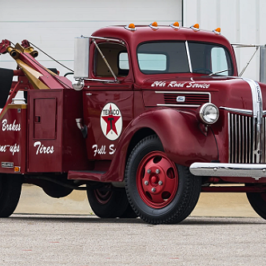
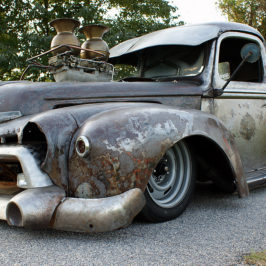
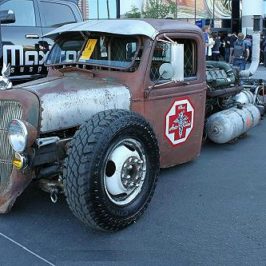
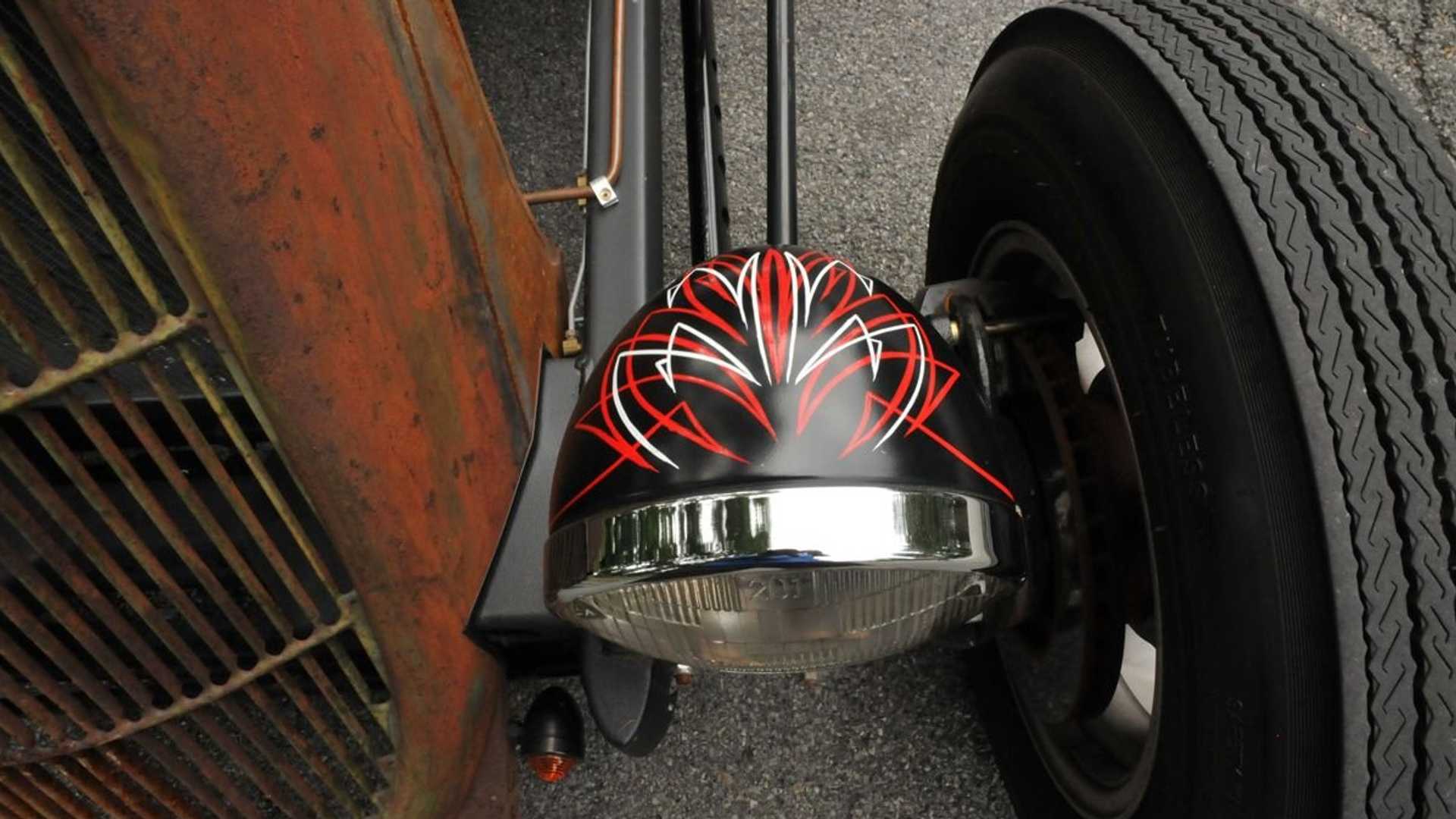
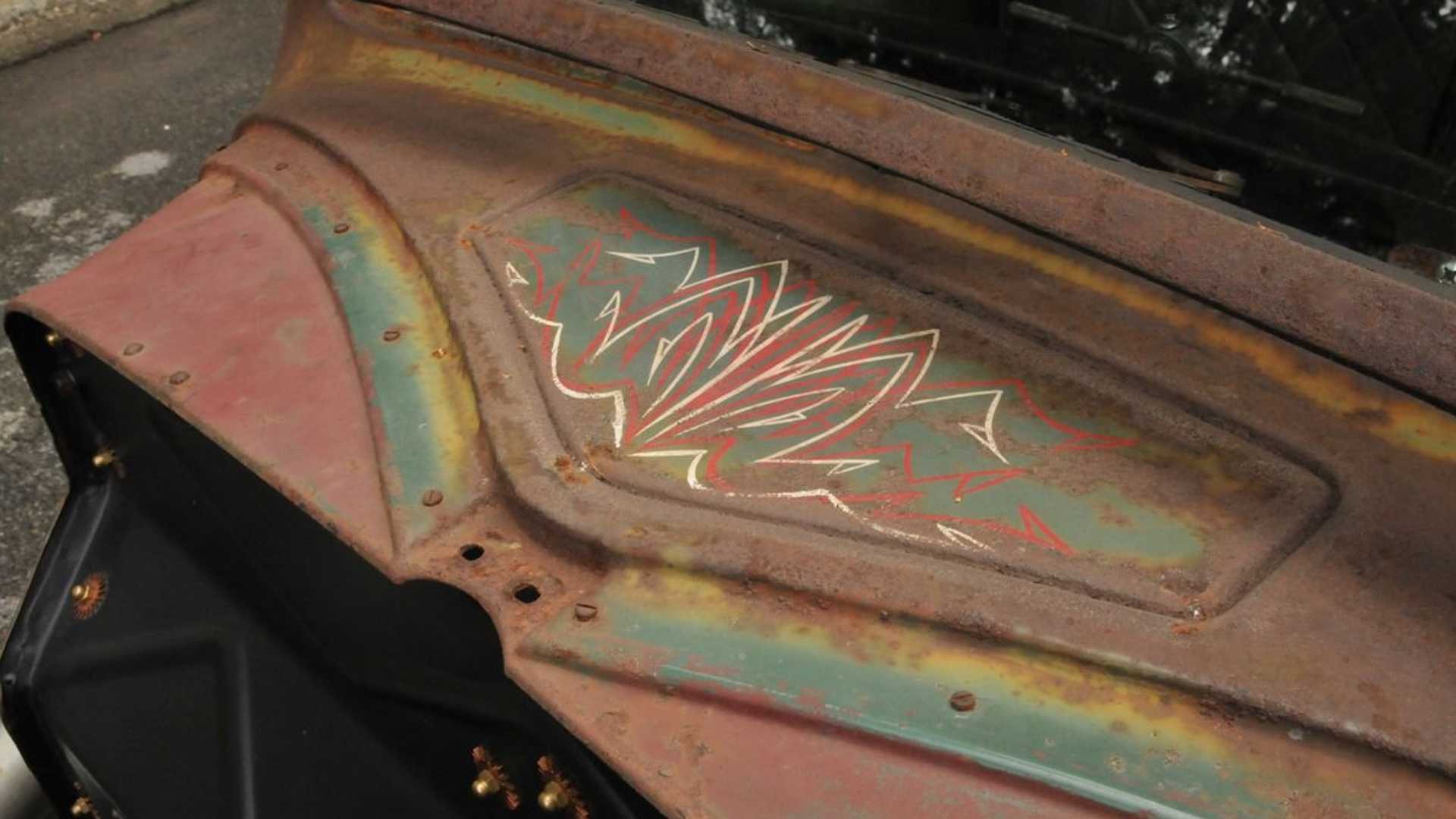
A rat rod is a home-built, rough, and low-budget vehicle put together with scrap parts. What makes these cars special is that they’re imperfectly perfect. They often feature rust spots, a lack of paint, and cheap or cast-off parts. You’ll often find non-automotive items that have been altered and repurposed to work with the car. This could be done by using the barrel of a rifle as the gear shifter or welding a wrench to the door and using it as a door handle.
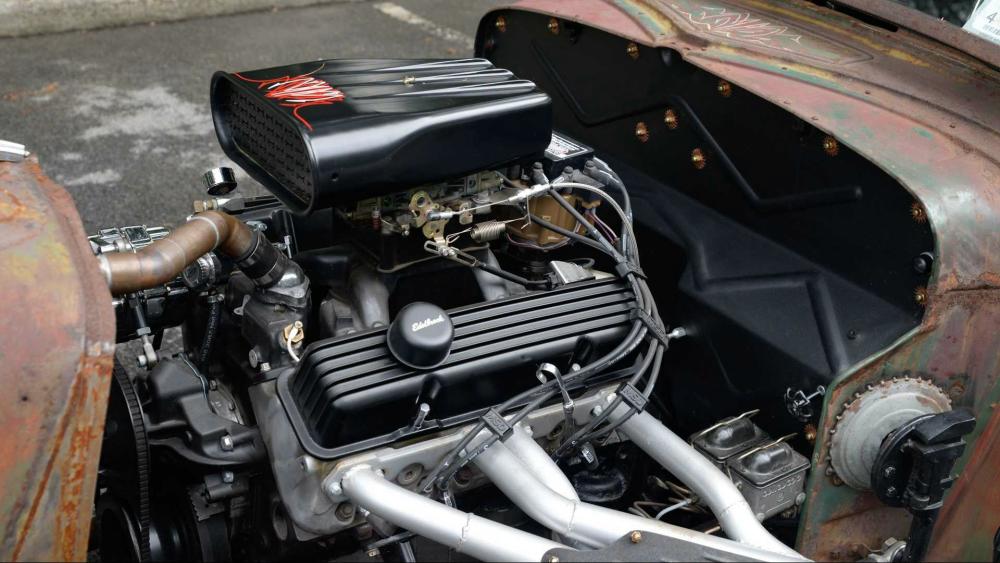
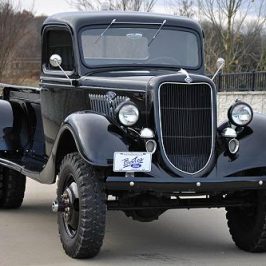
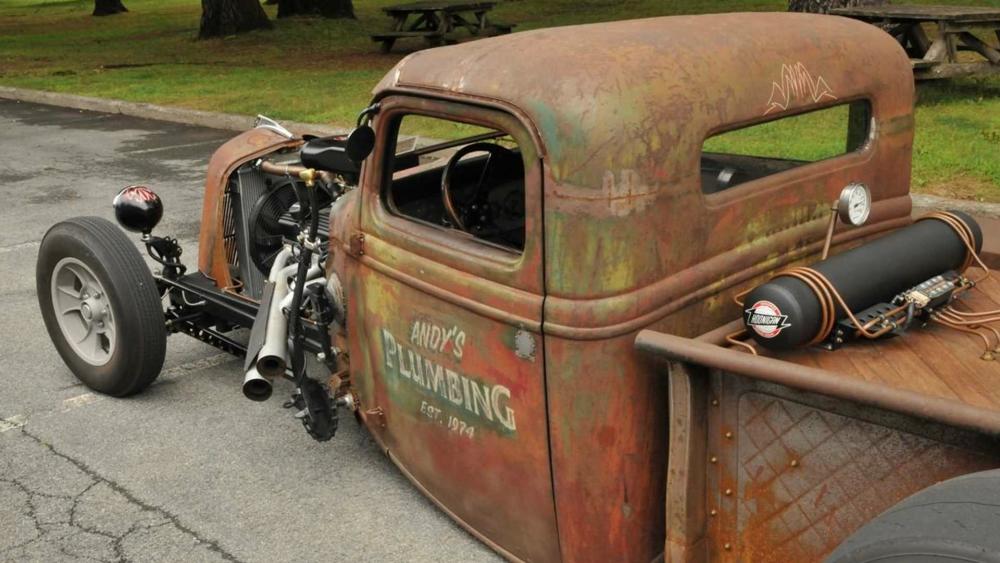
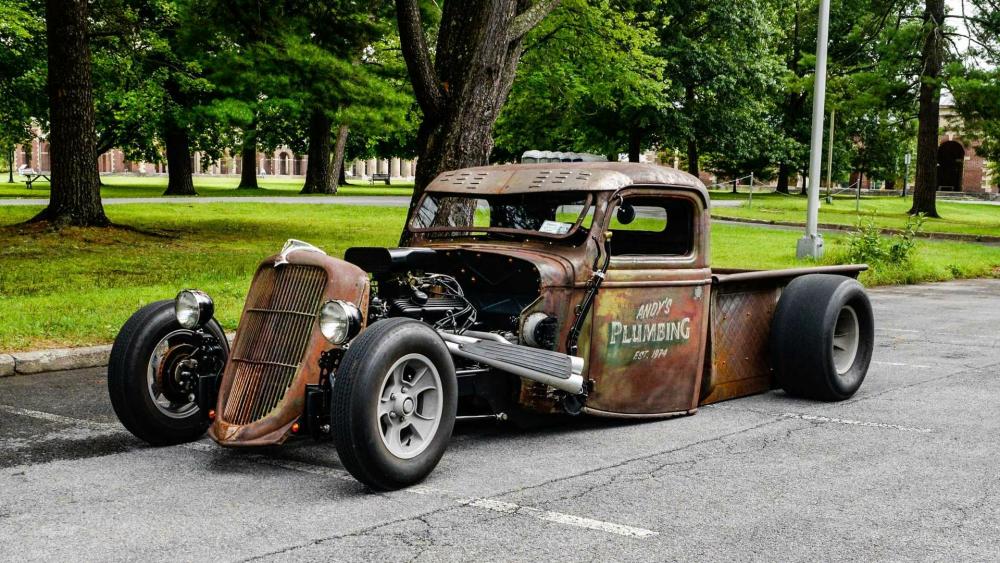
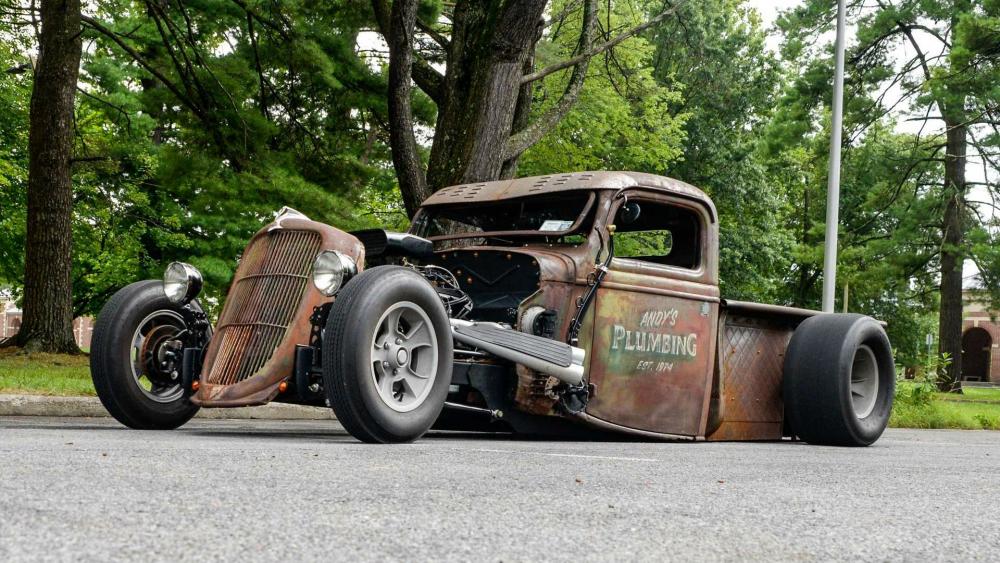
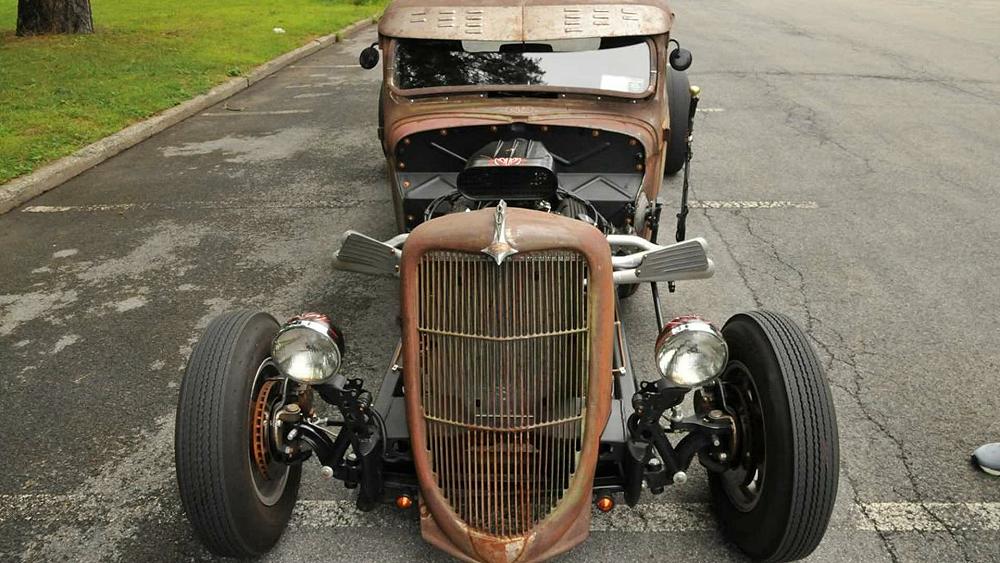
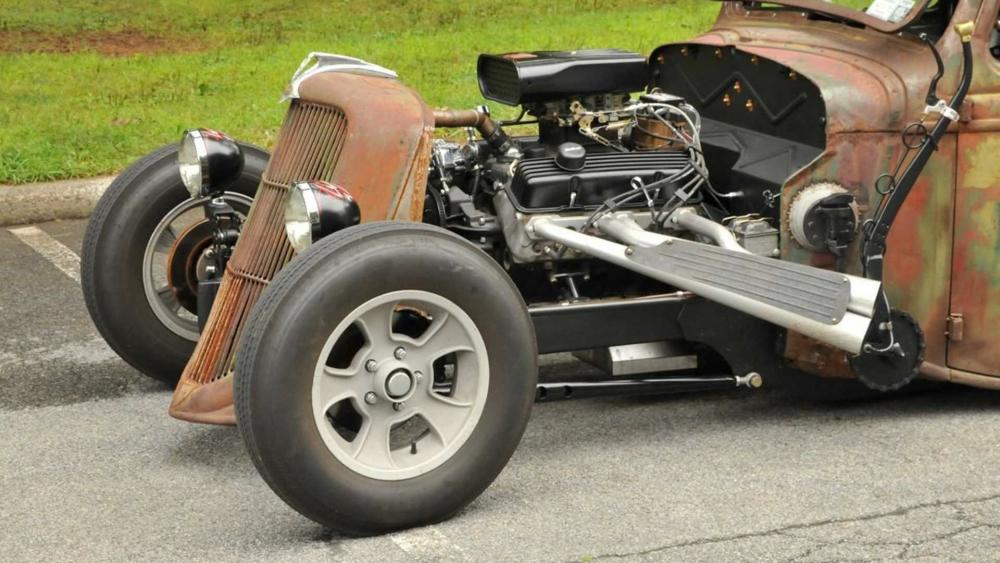
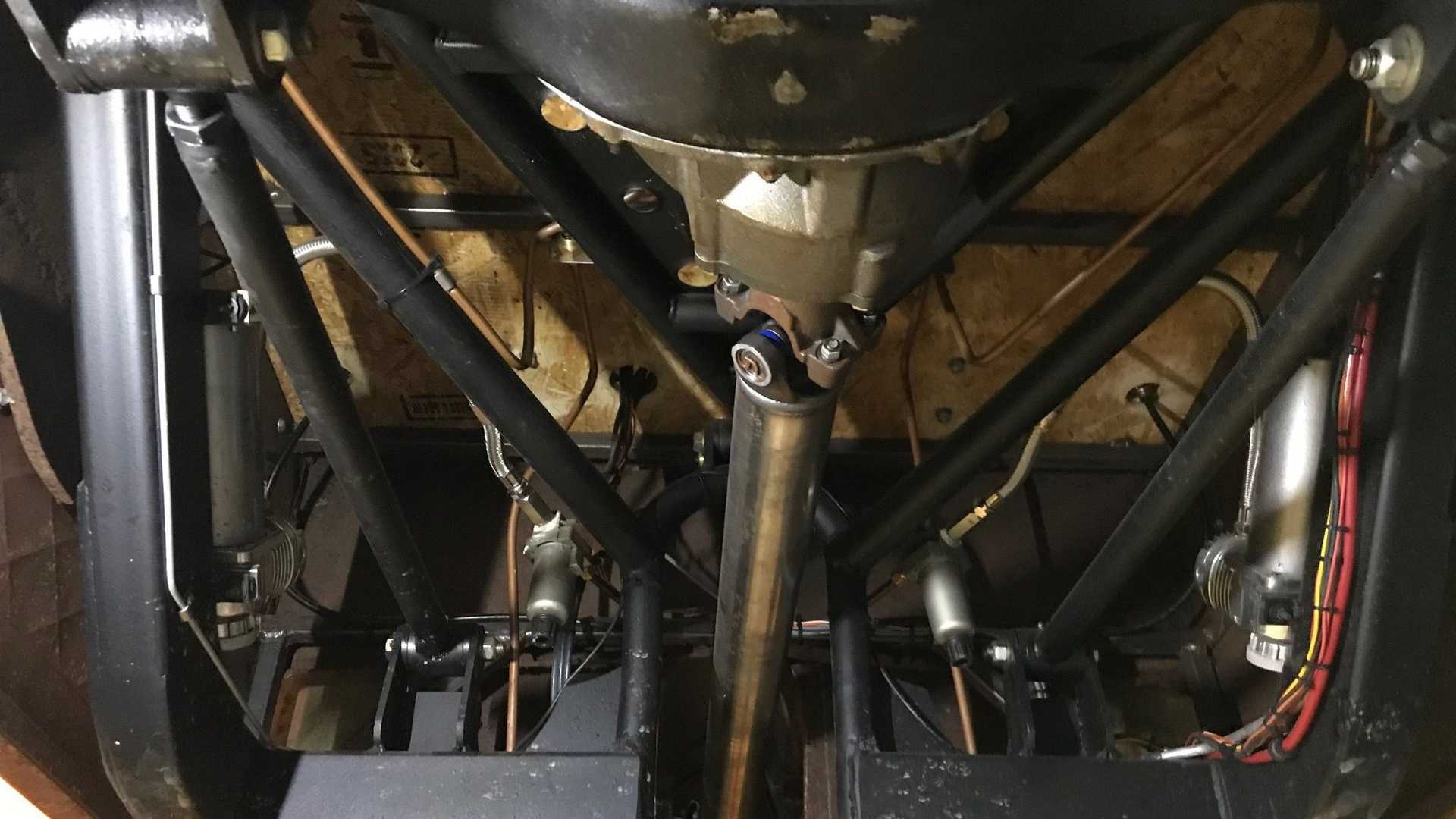
This 1936 Ford truck is an excellent example of a Rat Rod. This Rat Rod is powered by a 400 cubic-inch Chevrolet motor coupled to a three-speed automatic transmission to get it down the road quickly.
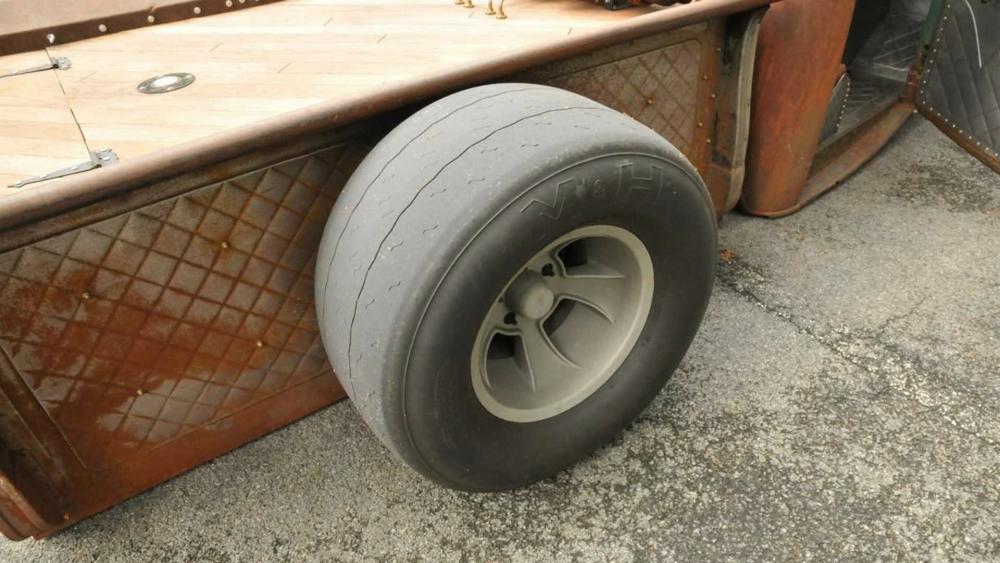
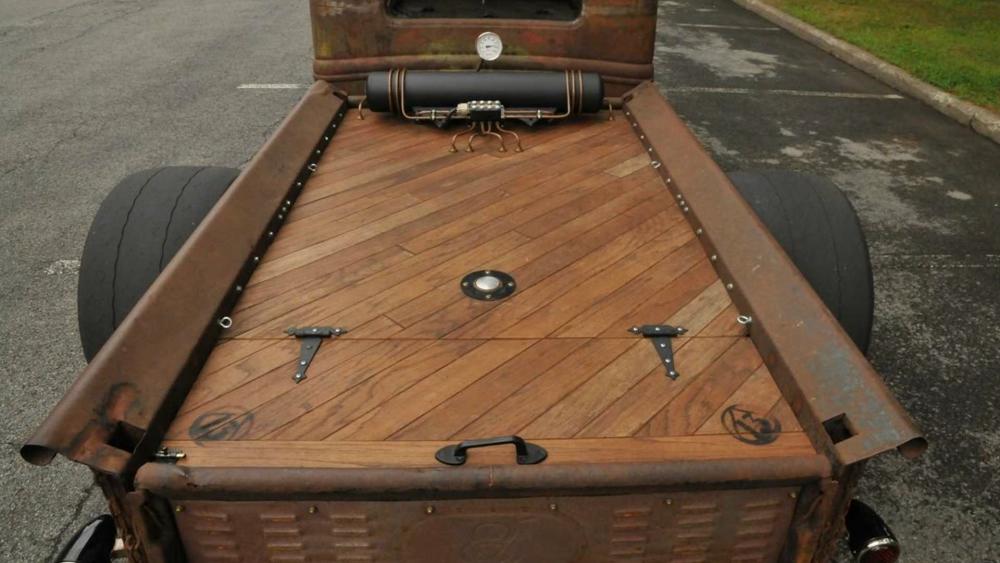
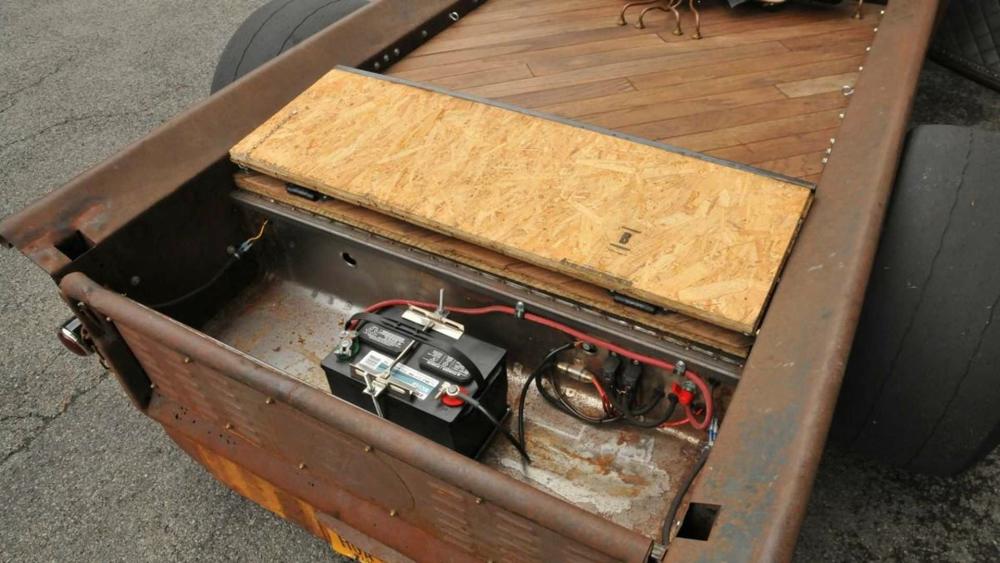
Under the rusty body sits a custom-built chassis fitted with a top-shelf AccuAir system. The air tank is visible behind the cab, while the battery is tucked away in a compartment at the rear of the bed.
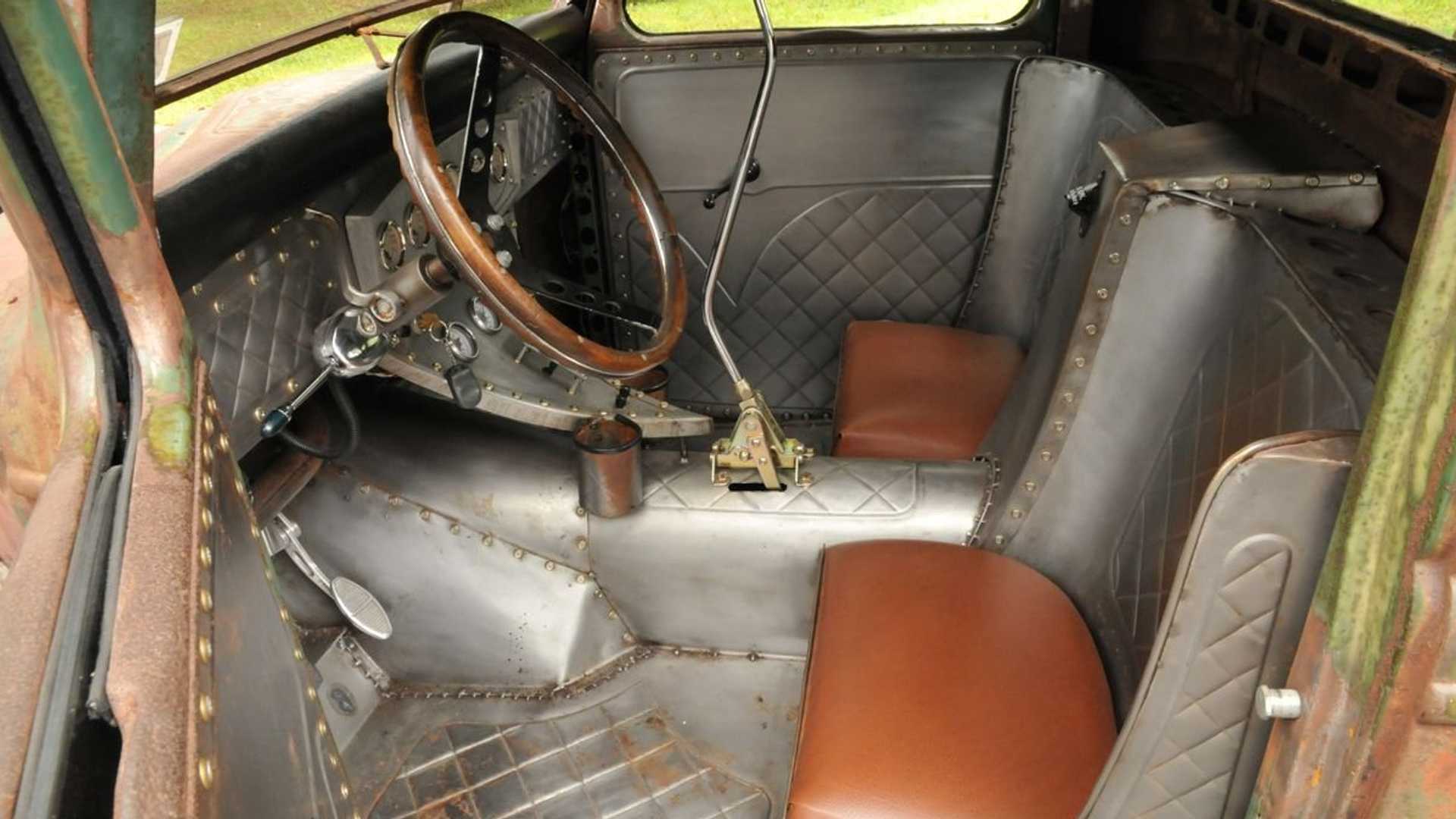
The sparse interior is fitted with leather seat cushions and an ample amount of ‘diamond-quilted’ sheet metal. A bottle opener is affixed to the top of the center console. The truck was awarded a Down and Dirty award at the Syracuse Nationals—fitting recognition for this one-of-a-kind ‘hot rod.’
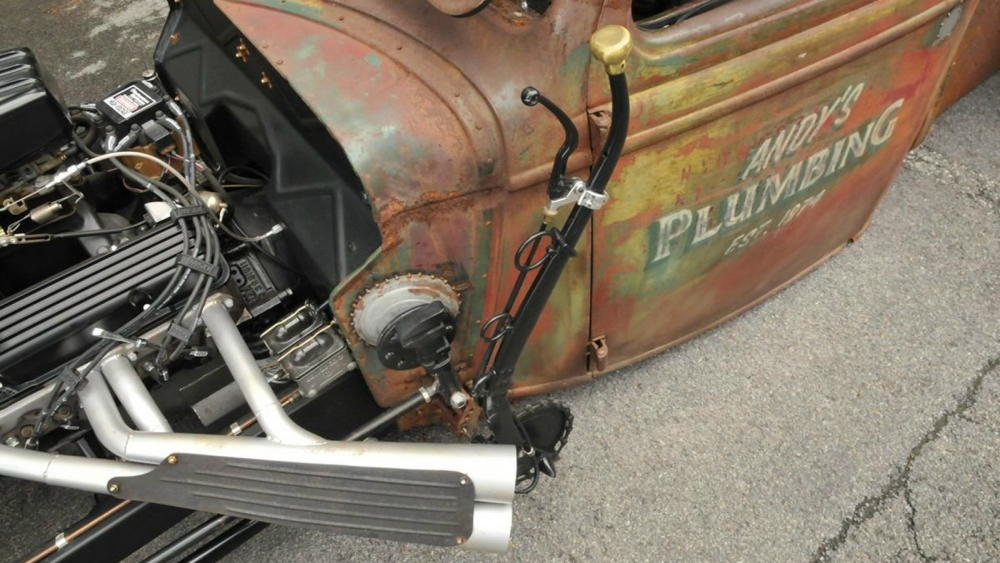
Just behind the exhaust pipes is a highly crafted lever with a brass topper and motorcycle brake handle. The strange lever may control the truck’s ride height.
More Photos:
Click to enlarge.
About The Author

Growing up, my father always believed that every family needed a truck—there’s just something about having a vehicle capable of hauling anything at a moment’s notice. That philosophy stuck with me, and it’s been the foundation of my lifelong passion for Ford trucks.
While I’m best known for my work with Ford Rangers, I’ve owned a wide variety of Ford trucks over the years—including F-150s, F-250s, F-350s, and even larger rigs like the Ford Excursion, Ford Expedition, and a 1982 Ford Econoline Sportsmobile camper van. I’ve used these vehicles for everything from family transportation to towing car trailers and campers, and each one has fueled my love for Ford’s versatility and durability.
I especially enjoy the styling of 1970s and 1980s Ford trucks—the bold designs, rugged presence, and classic charm are timeless. Sharing my passion for Ford trucks, vans, and SUVs with other enthusiasts online brings me a great deal of joy, and it’s why I created Blue Oval Trucks.
This website is dedicated to helping Ford truck enthusiasts explore, learn about, and celebrate these incredible vehicles. While I share my expertise and experiences here, Blue Oval Trucks is an independent enthusiast site and is not affiliated with Ford Motor Company.