
Introduction
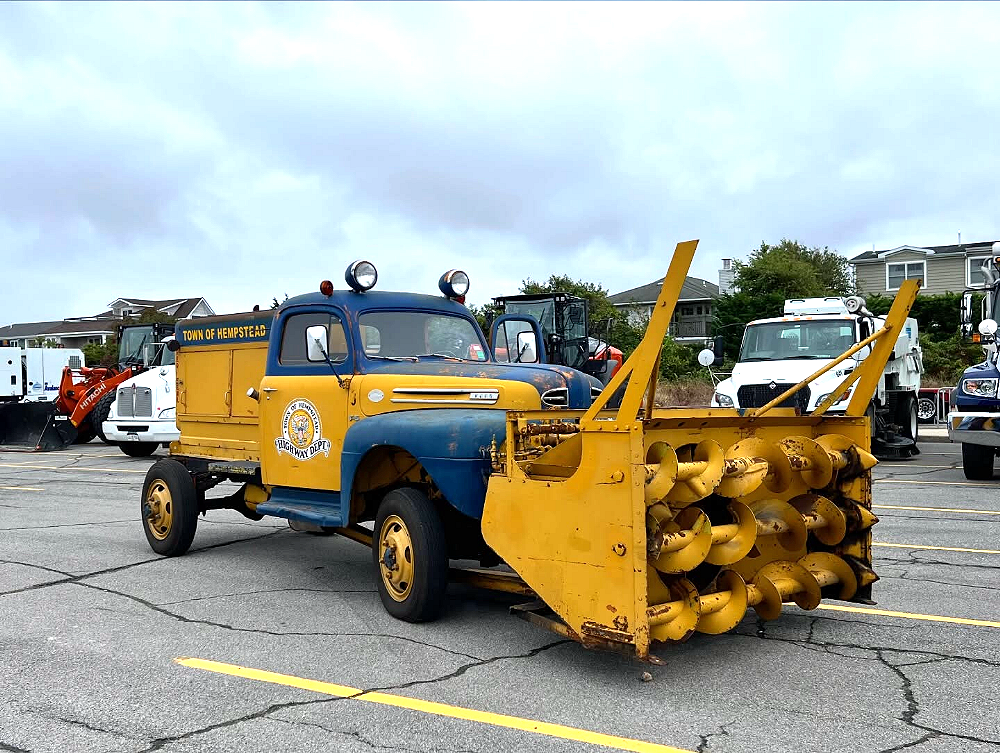
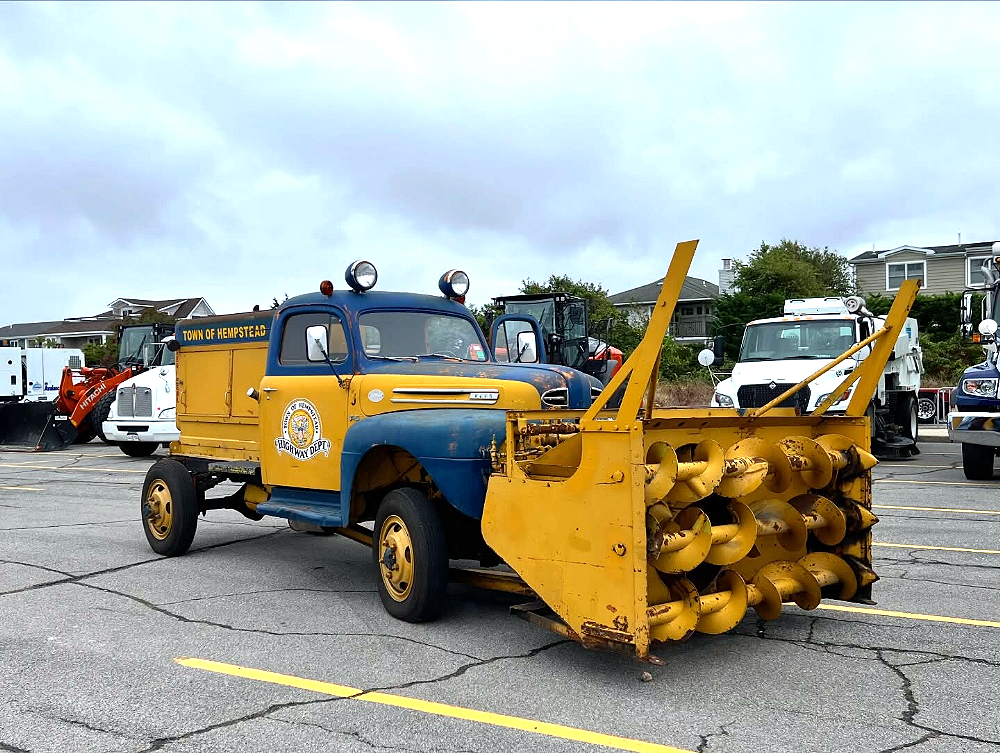
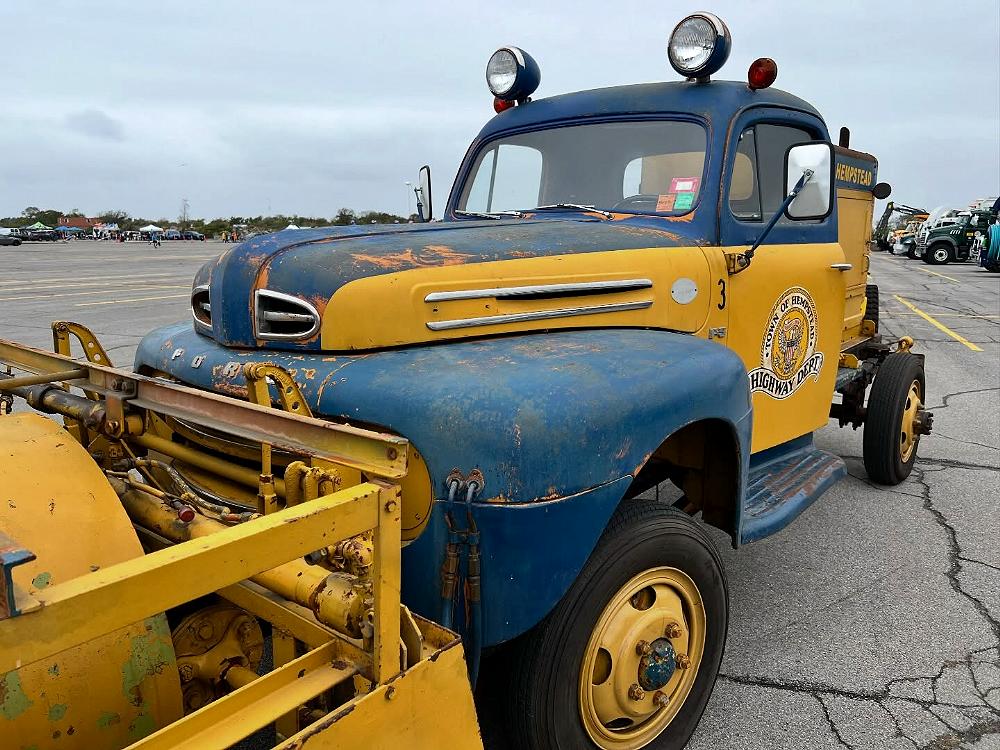
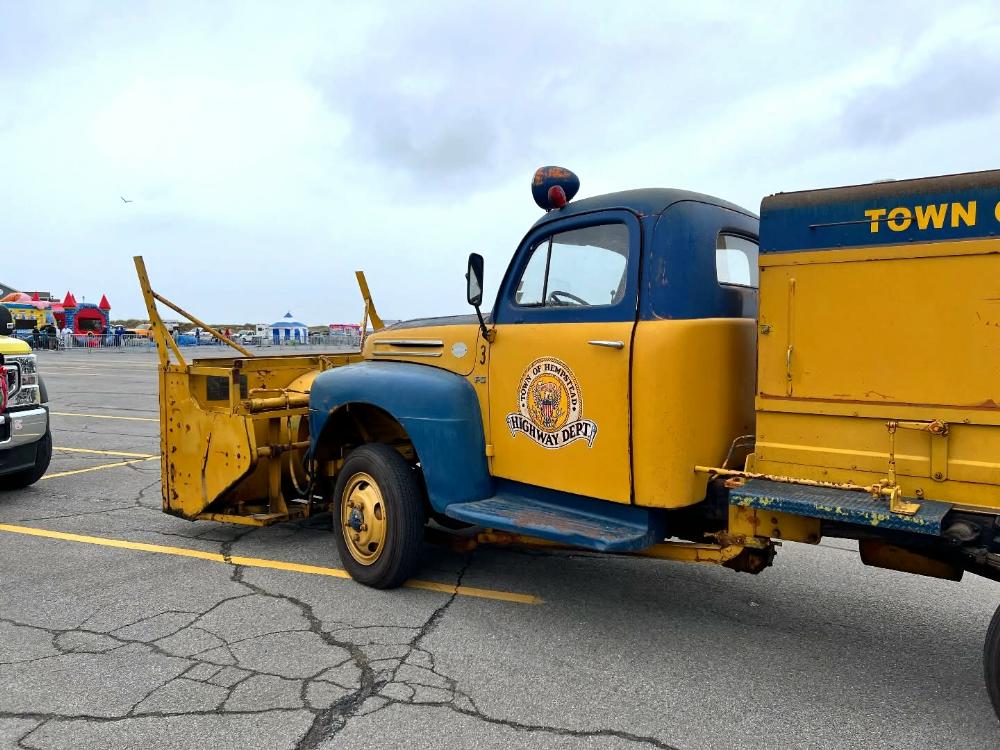
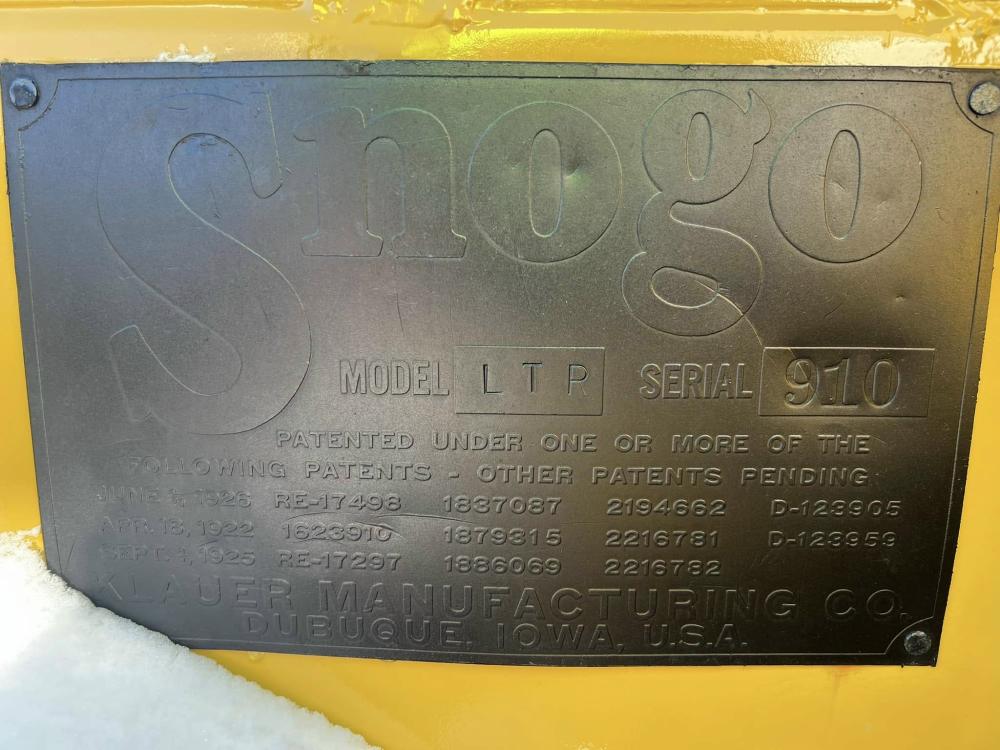
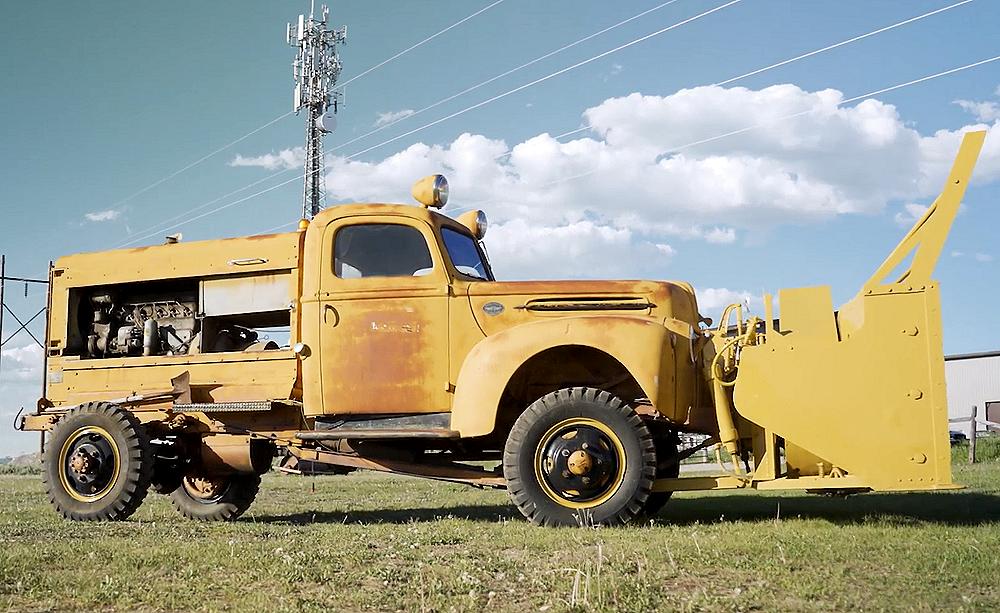
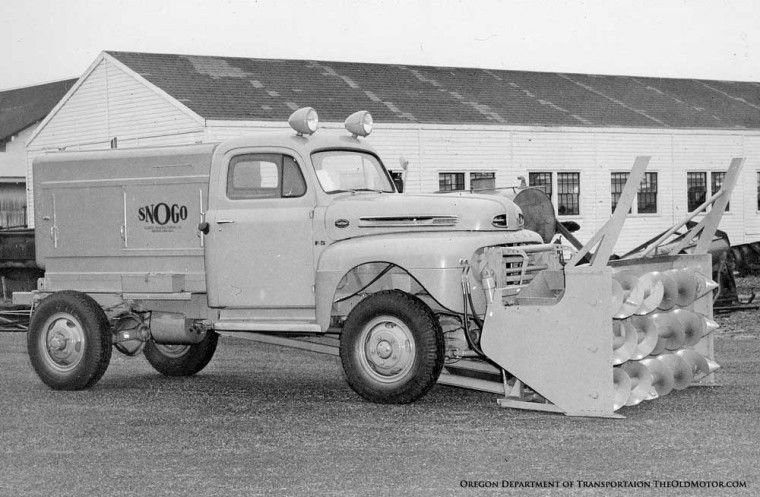
This is a 1948-1950 Ford F5 truck with a Marmon-Herrington 4×4 conversion and a SnoGo snowblower owned by the Town of Hempstead on Long Island in New York. SnoGo (often written SNOGO or Sno-Go) was originally a brand of truck-mounted rotary snow blowers manufactured by the Klauer Manufacturing Company of Dubuque, Iowa, beginning in the late 1920s. These were heavy duty rotary snow blower units — with augers and a fan that threw snow out to the side — used for clearing deep snow on highways, airfields, and in mountainous terrain. They were considered a major advance in snow removal technology in their day and stayed in use for decades.
SnoGo units are not a model of Ford truck made by Ford Motor Company themselves, but rather aftermarket or externally manufactured snow-blowing machines that were mounted on truck chassis, including Ford trucks, in the late 1940s and early 1950s.
1948–1950 Ford “SnoGo” Trucks
When people refer to a “1948-1950 Ford SnoGo,” they’re usually talking about:
- A Ford truck chassis from the late 1940s — typically a heavy-duty F-series (e.g., F-5/F5 or similar) built between about 1948 and 1950)
- Fitted with a SnoGo rotary snow blower unit mounted to the front and/or driven from a rear or auxiliary power source (sometimes a separate engine).
These were custom or semi-custom snow removal rigs, often used by airports, highway departments, or municipalities in areas with heavy winter snows.
Key Specifications & Design
Chassis: Typically based on a 1.5-ton or 2-ton Ford truck chassis.
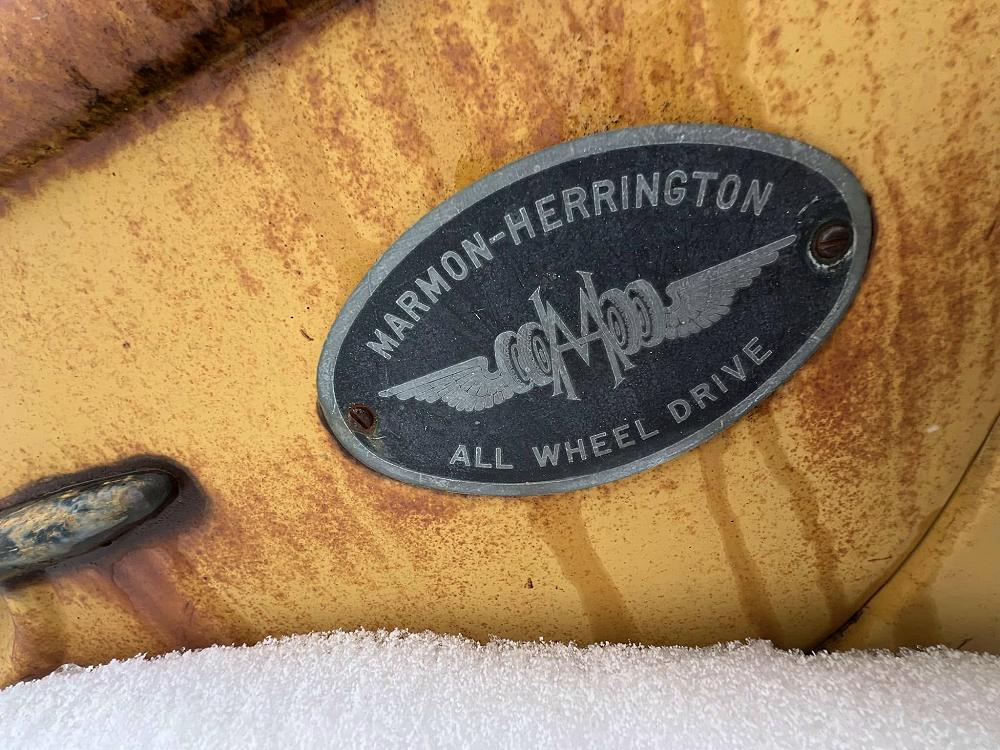
Drivetrain: Featured a Marmon-Herrington 4×4 conversion, providing the necessary traction and stability for pushing through deep snow. Some models included all-wheel steering for a tight turning radius.
Dual-Engine System: These vehicles often utilized two separate engines:
Front Engine: A Ford V8 (often the 85-hp flathead) or an inline-six to power the truck’s wheels.
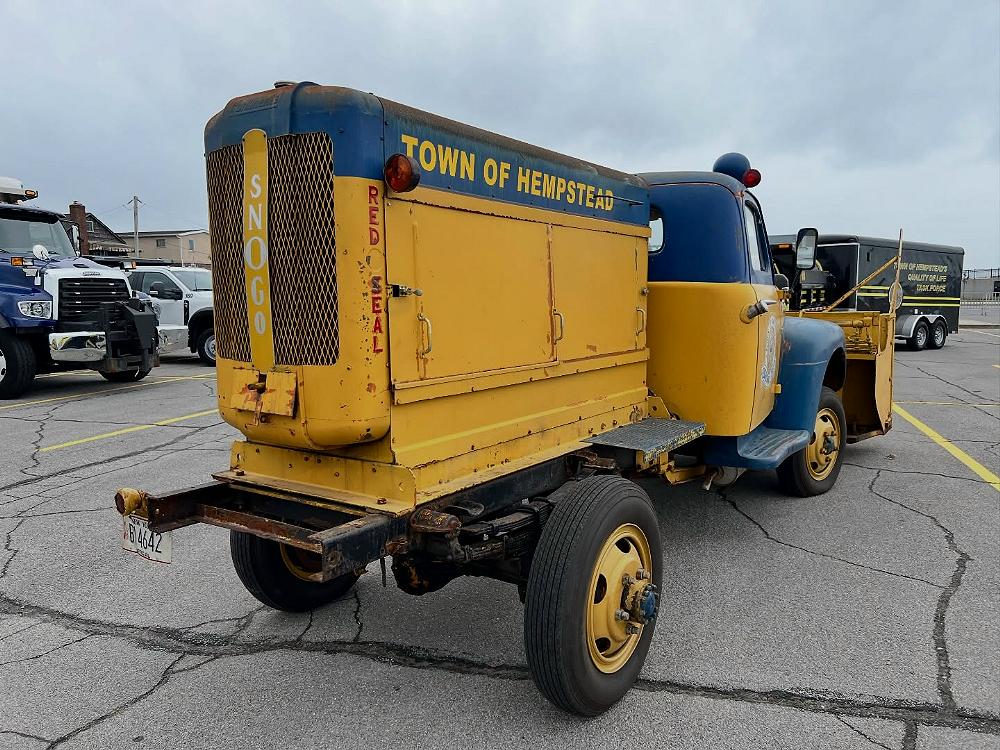
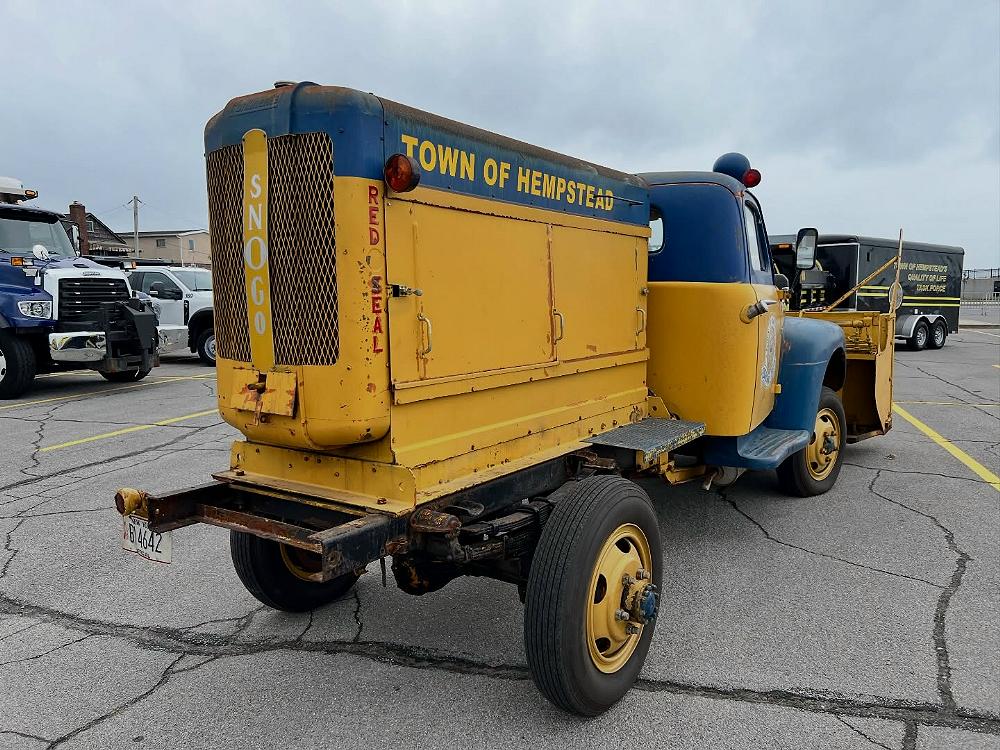
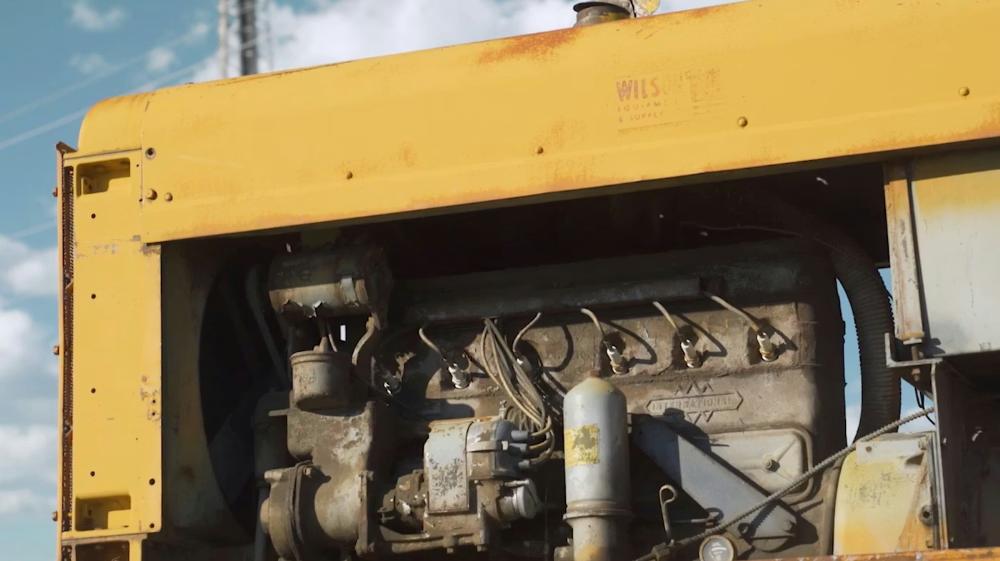
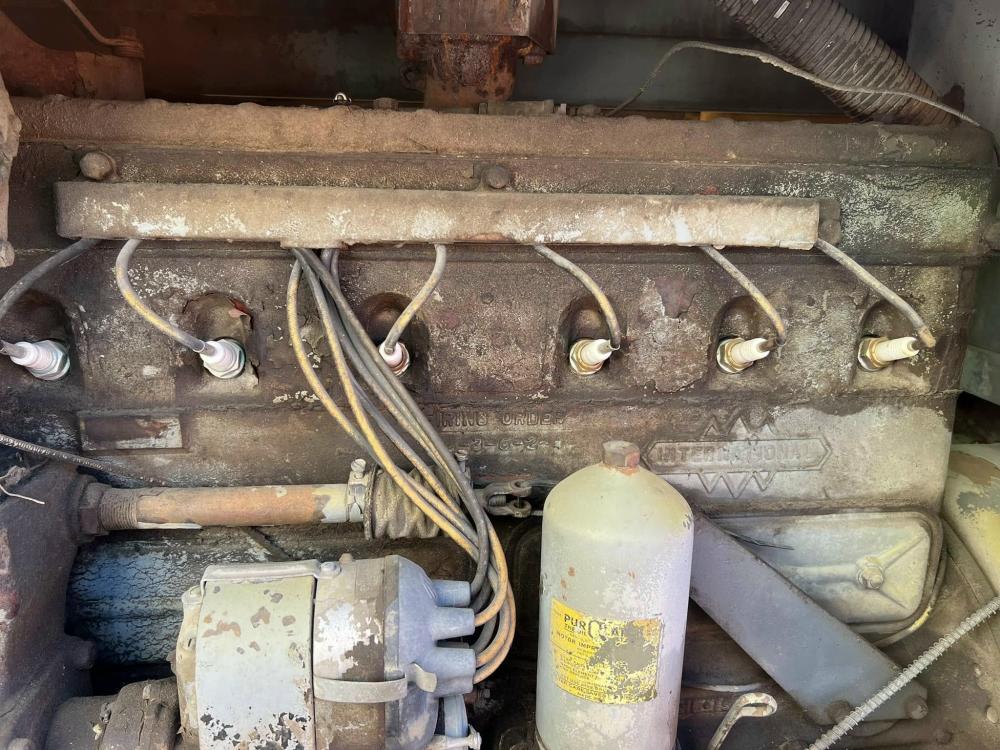
Rear Engine: A massive secondary engine, such as an International Red Diamond 501 cubic inch straight-six, dedicated entirely to powering the blower.
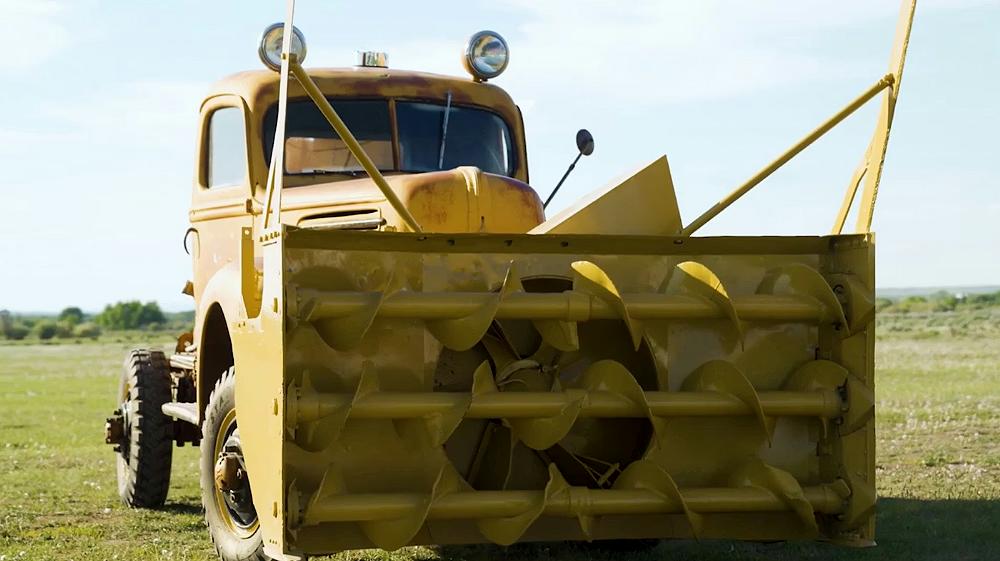
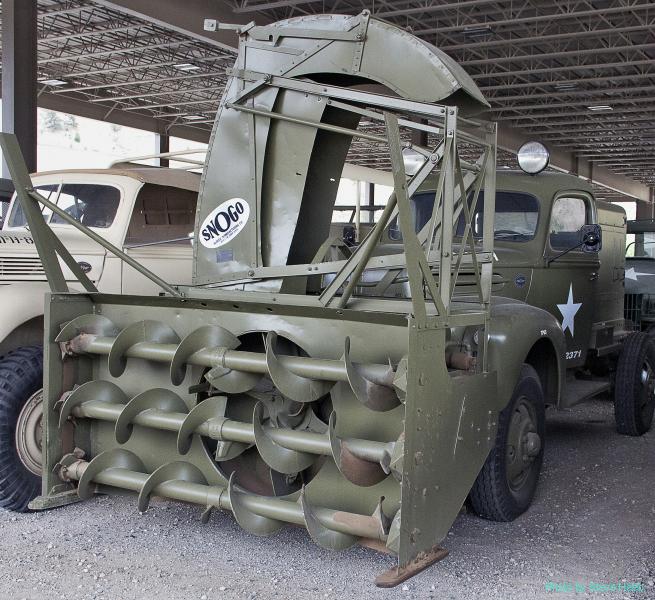
Blower Mechanism: The front-mounted “SnoGo” unit (manufactured by Klauer Manufacturing) used three large rotating augers to break up snow and a high-speed fan to discharge it through a side chute, creating “sheer walls” of snow up to 8 feet high.
Dual Engine Configuration
The 1940s Ford SnoGo utilized a specialized dual-engine configuration because a single engine from that era lacked the power to simultaneously propel a heavy truck through deep drifts and drive a high-torque rotary blower.
1. Front Engine: Mobility
The front engine was responsible solely for driving the truck’s wheels.
Model: Typically a standard Ford Flathead V8 (85–100 hp) or an inline-six.
Drivetrain: Power was sent through a standard transmission to a Marmon-Herrington 4×4 conversion system.
Steering: This engine also powered a hydraulic system that enabled all-wheel steering, allowing the massive machine to maneuver in tight mountain passes or on narrow runways.
2. Rear Engine: The “Powerhouse”
The rear engine was a dedicated unit used exclusively to operate the snow-blowing mechanism.
Model: Often a massive International Red Diamond 501 cubic inch straight-six gas engine.
Operating Speed: A mechanical governor kept this engine locked at a constant 2,000–2,500 RPM. This ensured that the blower maintained maximum force even when hitting heavy, packed snowbanks.
Fuel System: It used a gravity-fed fuel system to aggressively dump fuel into the cylinders when the blower hit a load, preventing the engine from stalling.
3. Independent Controls
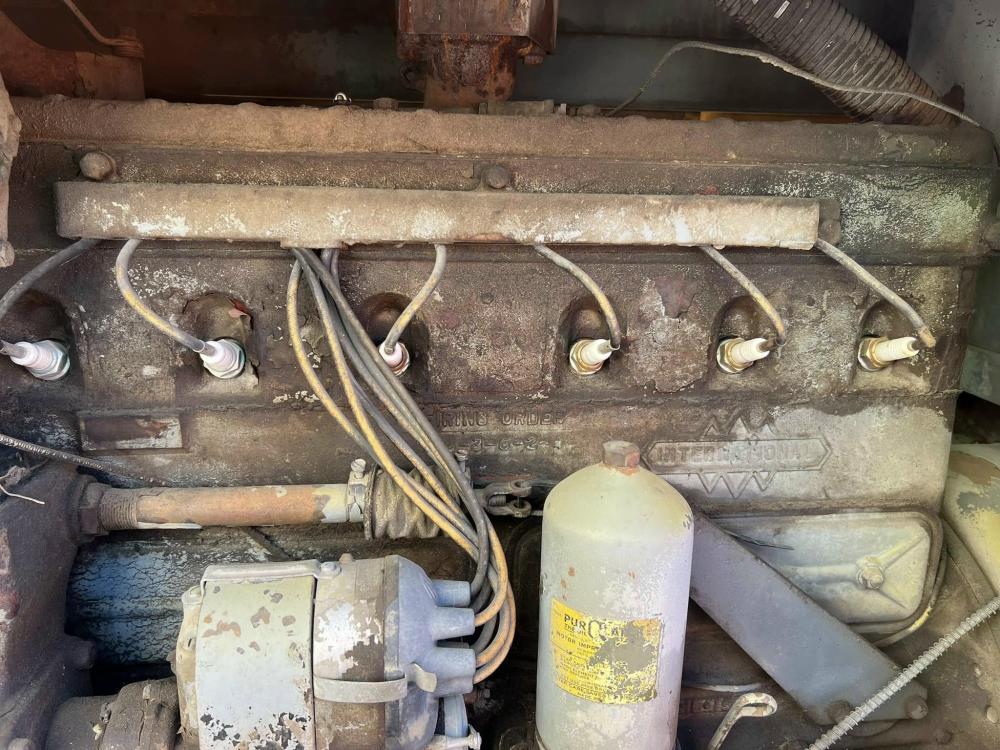
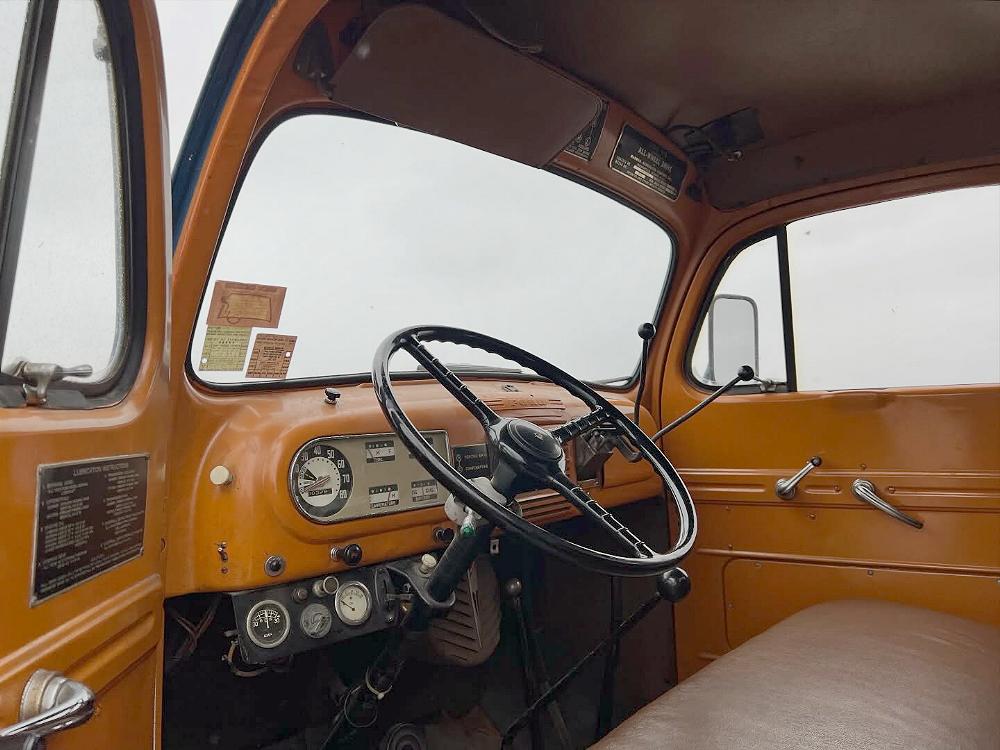
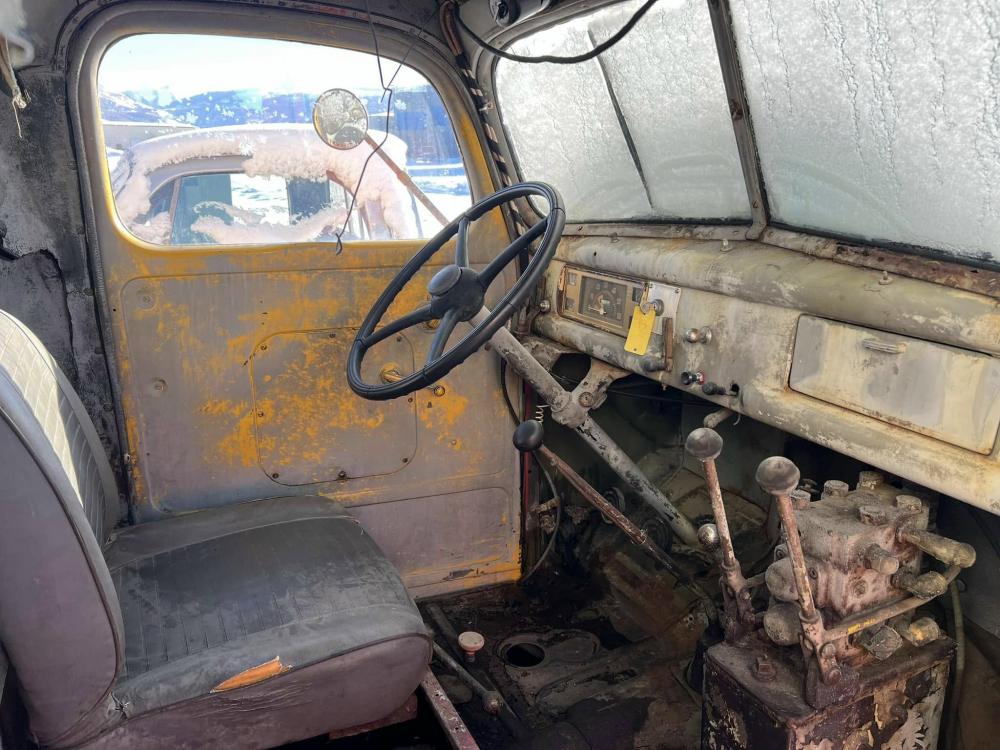
The cab featured two sets of gauges and separate starting procedures for each engine:
Synchronization: While the engines were independent, operators had to carefully manage the truck’s forward speed (front engine) to match the blower’s intake capacity (rear engine).
Heat Output: The rear engine generated so much heat that operators often removed the cab doors in sub-zero temperatures to avoid overheating.
4. Why Dual Engines?
In the 1940s, high-output diesel engines were not yet widely available or affordable. By combining two reliable gasoline engines, manufacturers could achieve the total power—roughly 200 to 250 hp—required for extreme snow removal that a single 1940s truck engine could not provide.
Historical & Operational Facts
War Effort: During WWII, they were indispensable for clearing snow at bases like Gowan Air Base in Idaho to keep bombers flying without using salt, which could corrode aircraft.
Extreme Operating Conditions: The rear engine generated so much heat that it was common for operators to remove the truck doors in the middle of winter just to stay cool inside the cab.
Civilian Use: After the war, many were sold to local councils and highway departments for clearing mountain passes and narrow rural roads where standard plows were ineffective.
Legacy: Known for exceptional craftsmanship, some original 1940s units are still functional today in private collections or museums,
SnoGo History: Klauer Manufacturing Company / Wausau Equipment Company
The SnoGo was the flagship product of the Klauer Manufacturing Company, based in Dubuque, Iowa. Founded in 1870, the company originally specialized in sheet metal products like conductor pipes and metal flumes before revolutionizing snow removal in the late 1920s.
1. Origins and Innovation
Naming Contest: The brand name “SNOGO” was selected through a nationwide contest in the late 1920s.
The Breakthrough: Between 1923 and 1934, Klauer developed the first successful truck-mounted rotary snow blower. Unlike standard plows that simply pushed snow to the side, the SnoGo used augers and a high-speed fan to pulverize and discharge snow up to 100–200 feet away.
Early Success: The technology was so effective that the City of New York placed a massive order for 42 machines in 1936, valued at nearly half a million dollars—one of the largest contracts in Dubuque’s history at the time.
2. Wartime and Beyond
Military Necessity: During the 1940s, Klauer produced the TU3 SnoGo model, which was widely used at military air bases and throughout the Alaskan theater of World War II to keep runways clear for bombers.
Legacy Fleet: These machines were used in national parks across the U.S., including Rocky Mountain National Park, where a 1932 Model F SnoGo served until 1952 and is now listed on the National Register of Historic Places.
3. Corporate Evolution and Current Status
Acquisition: In 2000, the Klauer Manufacturing Company sold the SnoGo product line to Wausau Equipment Company, Inc..
Current Production: As of 2026, the SnoGo brand remains active under the ownership of Wausau Equipment, continuing to produce heavy-duty rotary snow removal equipment for municipal and airport use.
Klauer Today: The original Klauer Manufacturing Company still operates in Dubuque but has shifted its focus to residential building products, such as steel siding and roofing accessories, recently expanding into Texas with a new facility in 2025.
(Note: A modern company called “SNO-GO” founded in 2015 also exists, but it produces ski bikes and is unrelated to the 1940s industrial snow blowers.)
Would you like to see technical details on how the original SnoGo auger system compared to modern rotary blowers?
1942 Ford SnoGo
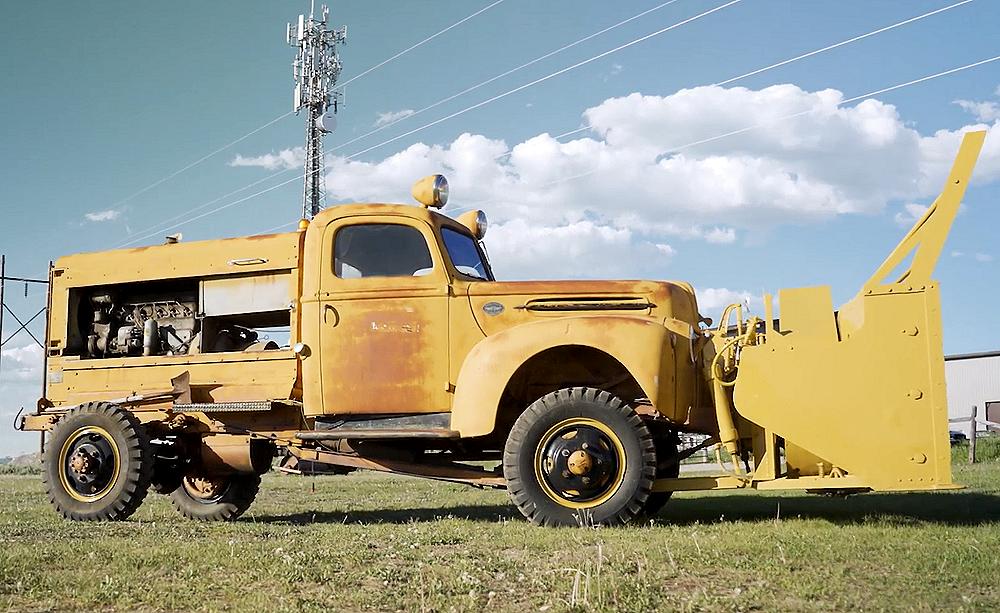
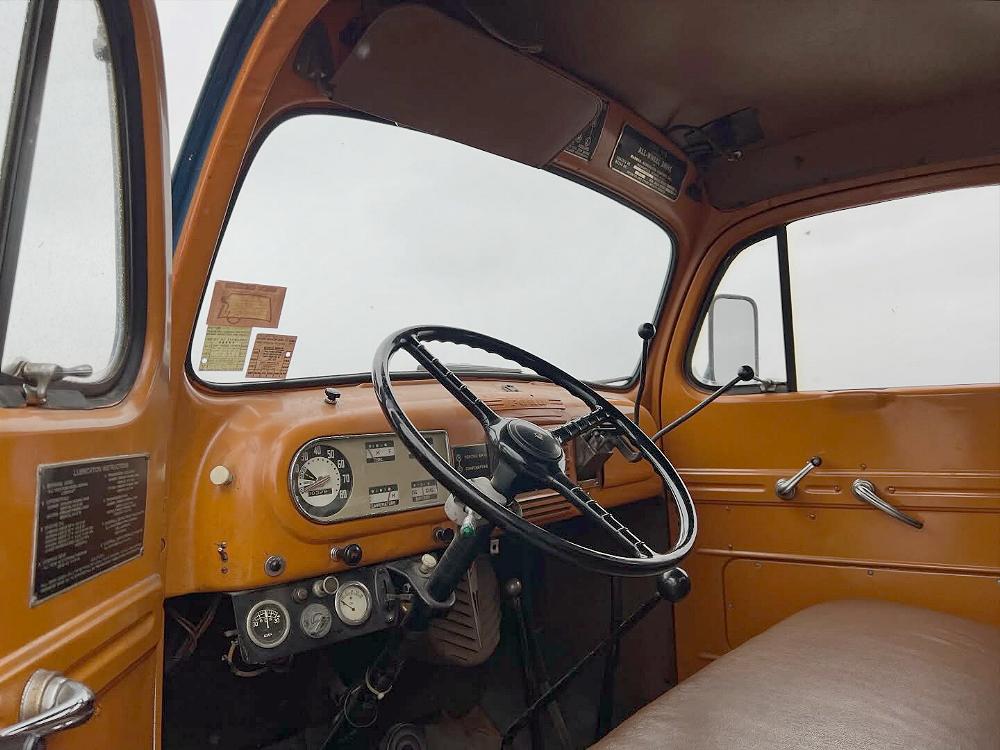
Here’s a look at a WWII era 1942 Ford F5 truck with a Marmon-Herrington 4×4 conversion and a SnoGo snowblower installed. This one appears to have had the snowblower restored. I’m kind of surprised that the whole truck hasn’t been restored. The interior is rough looking, but it gives you a good look at the levers used to control the snowblower.
Videos
Photo Gallery
About The Author

Growing up, my father always believed that every family needed a truck—there’s just something about having a vehicle capable of hauling anything at a moment’s notice. That philosophy stuck with me, and it’s been the foundation of my lifelong passion for Ford trucks.
While I’m best known for my work with Ford Rangers, I’ve owned a wide variety of Ford trucks over the years—including F-150s, F-250s, F-350s, and even larger rigs like the Ford Excursion, Ford Expedition, and a 1982 Ford Econoline Sportsmobile camper van. I’ve used these vehicles for everything from family transportation to towing car trailers and campers, and each one has fueled my love for Ford’s versatility and durability.
I especially enjoy the styling of 1970s and 1980s Ford trucks—the bold designs, rugged presence, and classic charm are timeless. Sharing my passion for Ford trucks, vans, and SUVs with other enthusiasts online brings me a great deal of joy, and it’s why I created Blue Oval Trucks.
This website is dedicated to helping Ford truck enthusiasts explore, learn about, and celebrate these incredible vehicles. While I share my expertise and experiences here, Blue Oval Trucks is an independent enthusiast site and is not affiliated with Ford Motor Company.
17 Responses