The Saleen XP8: The Forgotten Performance SUV That Was Way Ahead of Its Time
Long before high-performance SUVs became mainstream, a small Southern California company quietly built one of the earliest examples of the breed. Years before models like the BMW X5 M or Mercedes-AMG SUVs dominated the segment, Saleen took Ford’s family-friendly Explorer and transformed it into something far more aggressive—the Saleen XP8.
Produced between 1998 and 2001, the XP8 remains one of the rarest and most overlooked performance SUVs ever built. It combined V8 power, race-inspired suspension tuning, and bold styling into a package that was years ahead of its time.
Saleen Takes on the Explorer
Best known for modifying Mustangs, Saleen turned its attention to the second-generation Ford Explorer in the late 1990s. The goal wasn’t just to improve appearance—it was to create a true performance SUV at a time when the concept barely existed.
The result was the XP8, a limited-production model that blended everyday utility with sports car-inspired engineering. While standard Explorers focused on practicality, the XP8 emphasized speed, handling, and exclusivity.
Powertrain: Supercharged Performance Before It Was Cool
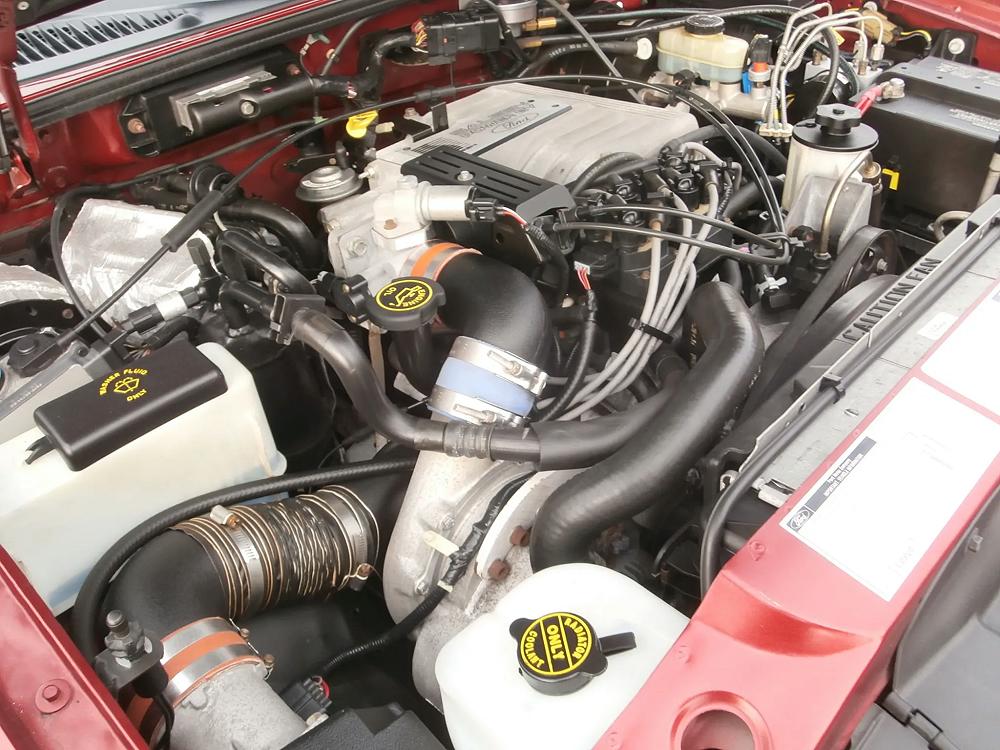
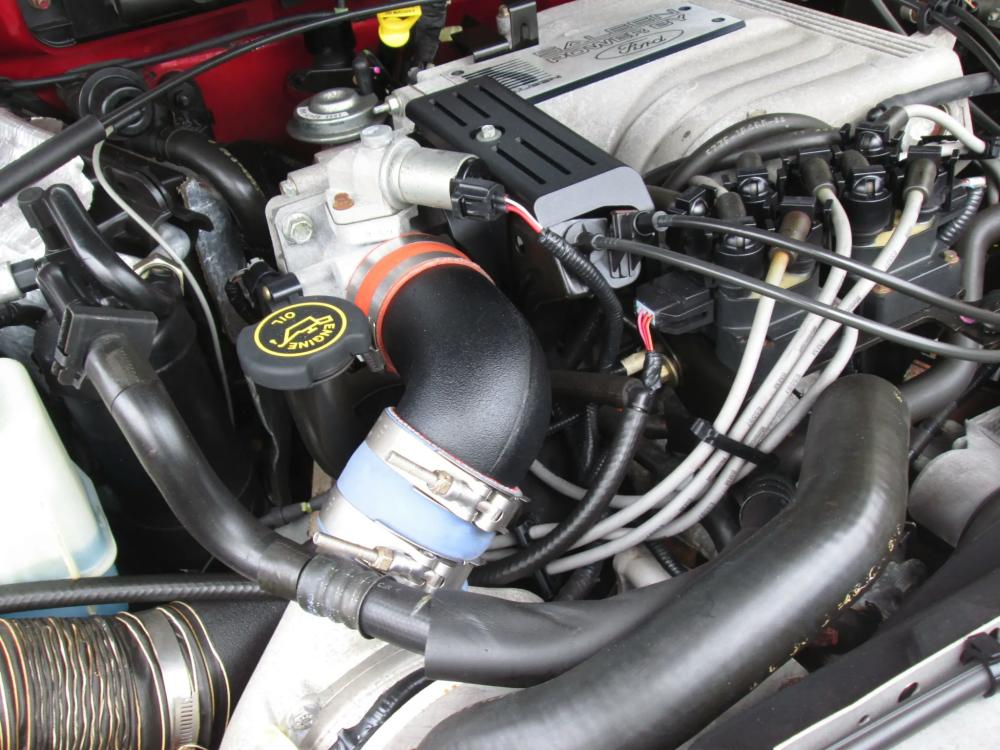
At the heart of the XP8 was Ford’s 5.0-liter V8, but Saleen didn’t leave it stock. Buyers could choose between a naturally aspirated version or a far more desirable supercharged setup.
- Naturally Aspirated: Approximately 222 horsepower and 298 lb-ft of torque
- Supercharged: 286 horsepower and 333 lb-ft of torque
The supercharged variant transformed the Explorer into something genuinely quick for its era, especially considering most SUVs at the time prioritized towing over performance. Power was routed through a four-speed automatic transmission and a full-time all-wheel-drive system, giving the XP8 solid traction to match its added output.
Suspension and Handling: Lower, Tighter, Better
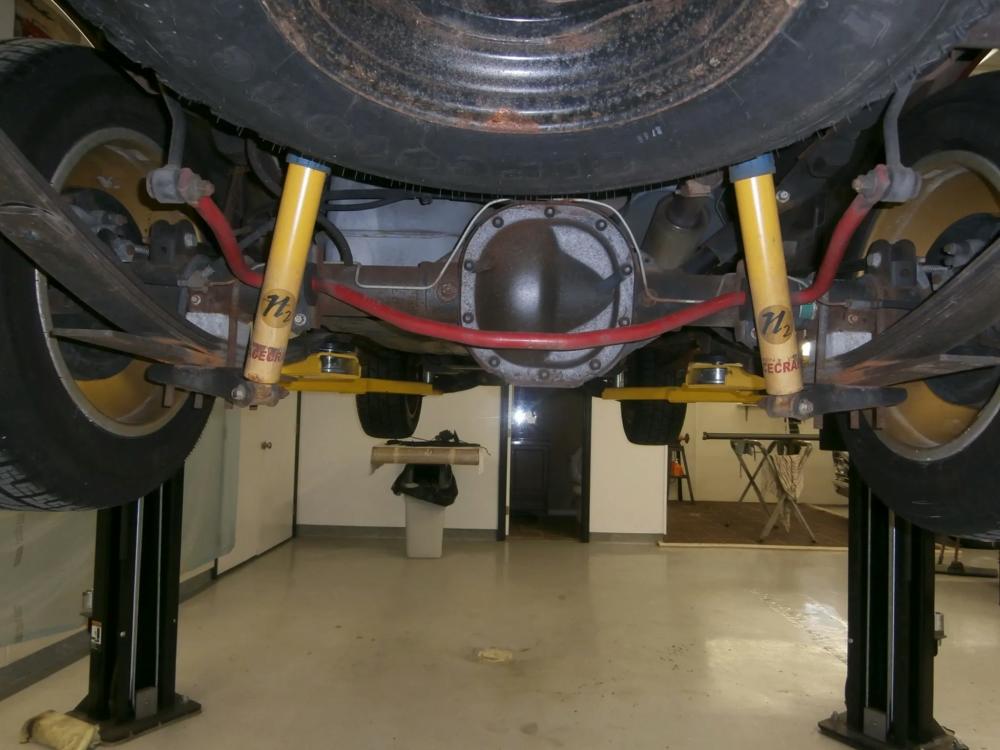
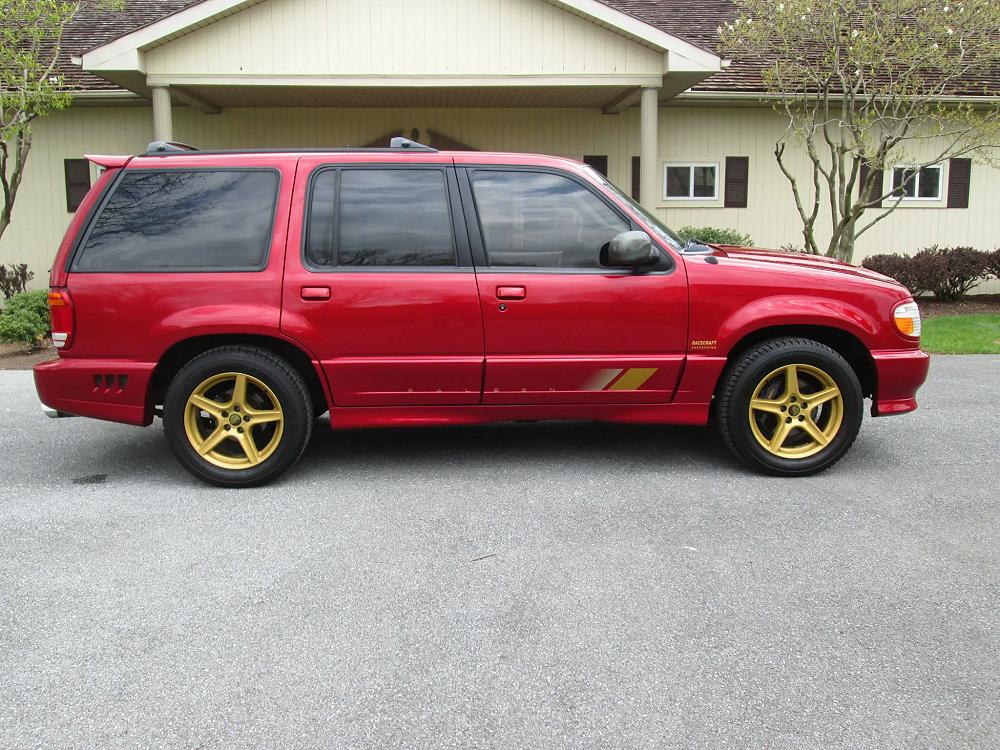
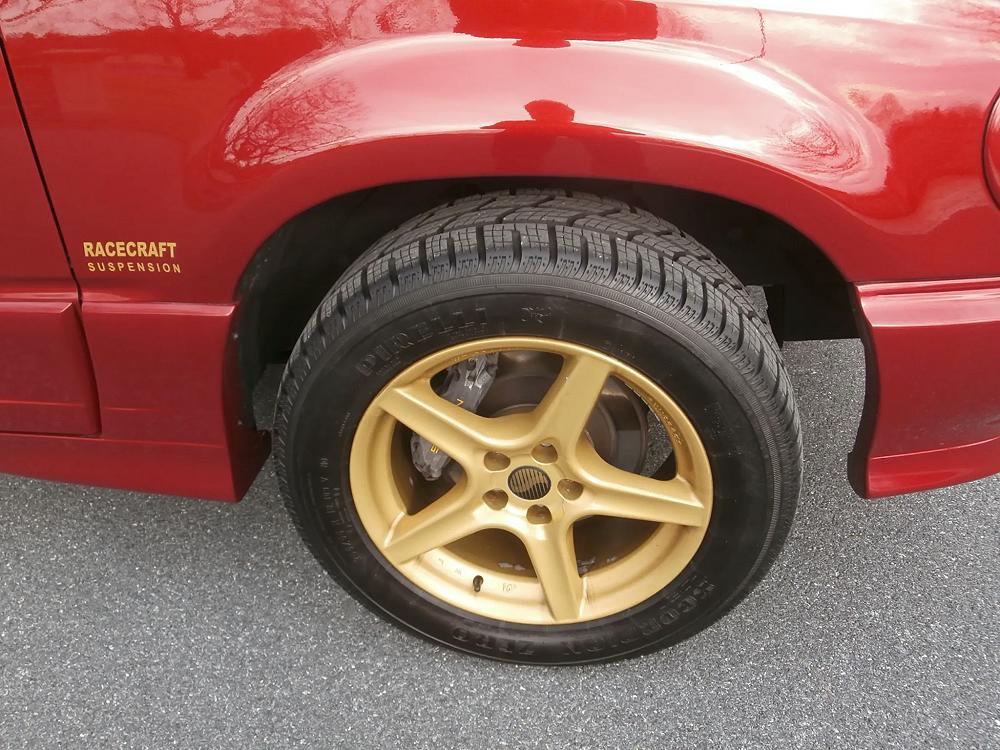
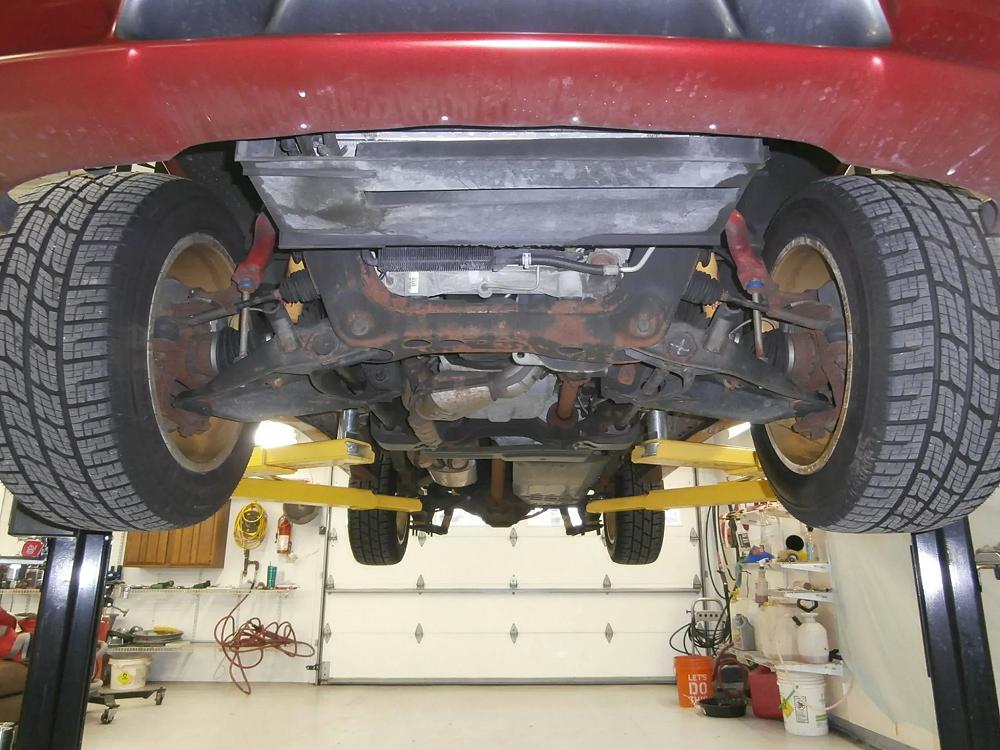
To back up the added power, Saleen extensively reworked the Explorer’s suspension. The XP8 sat approximately two inches lower than a stock model, thanks to Saleen’s Racecraft suspension system.
Upgrades included N2 shocks, stiffer springs, and revised sway bars, all designed to reduce body roll and improve cornering stability. The result was an SUV that handled far better than anything else in its class at the time.
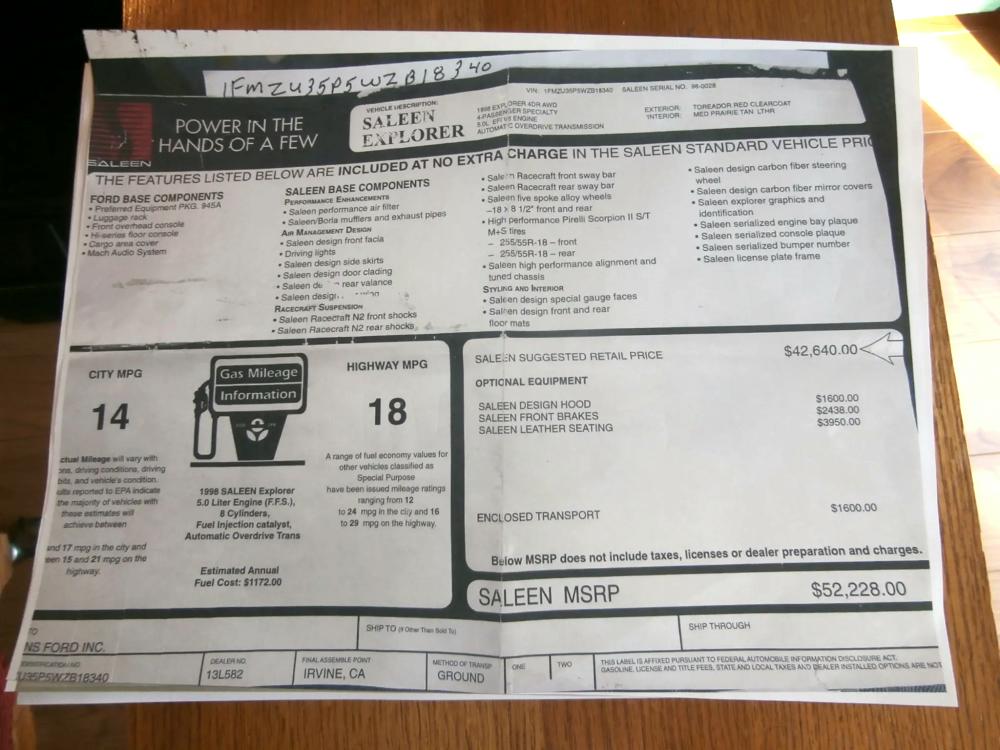
Braking performance was also improved, with optional high-performance systems featuring 13-inch vented rotors and four-piston calipers, providing stopping power to match the increased speed.
Bold Styling That Still Turns Heads
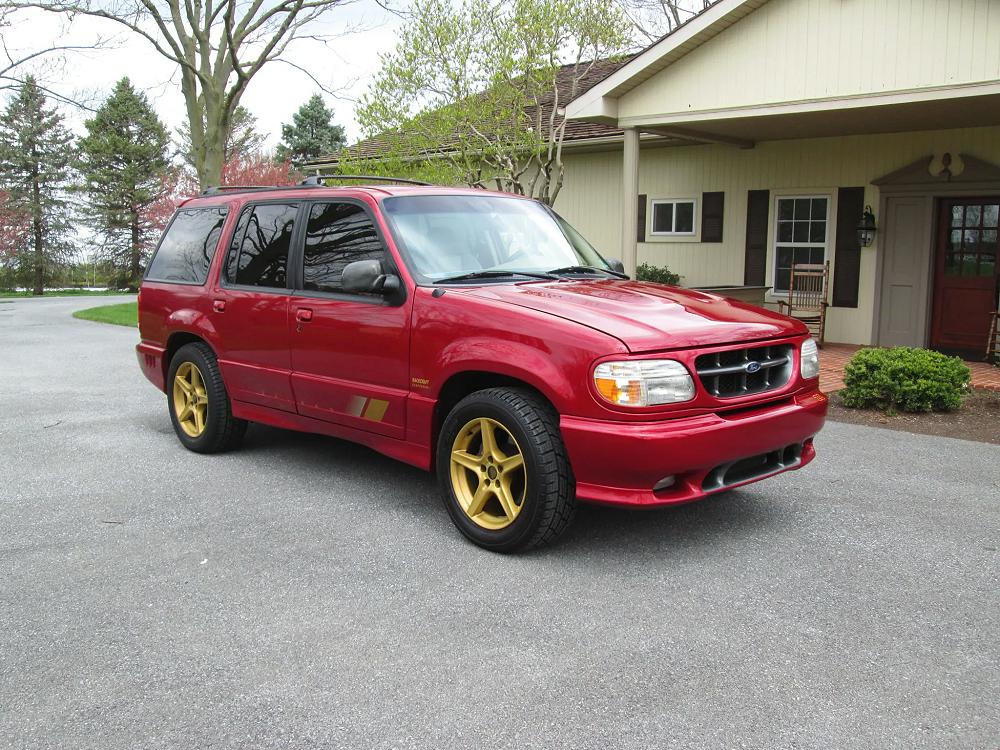
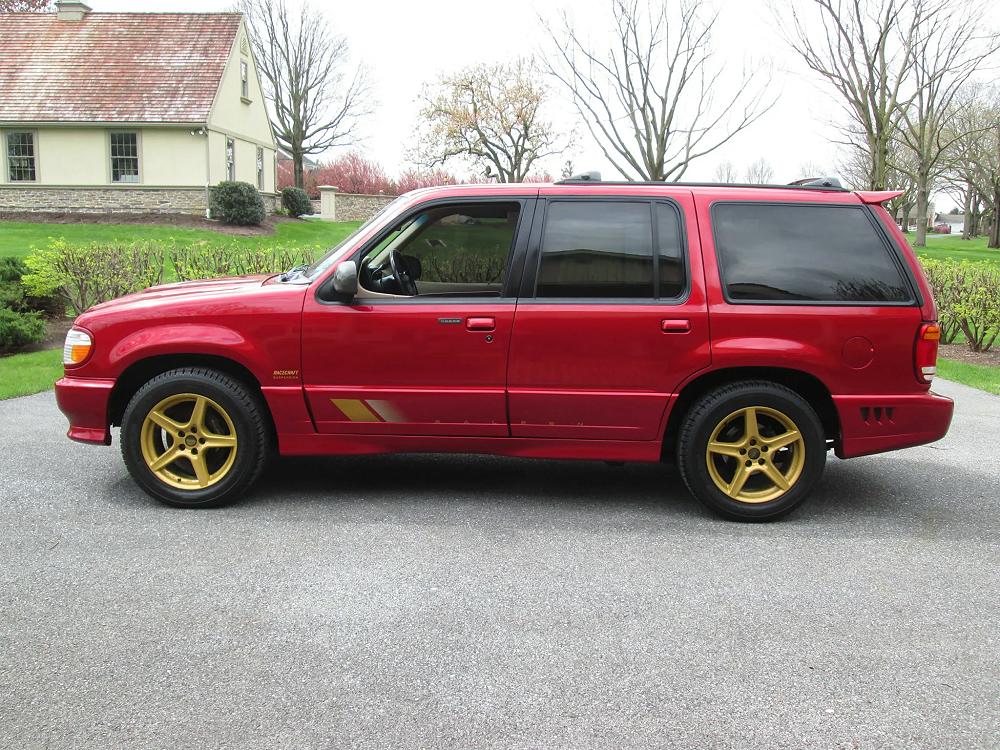
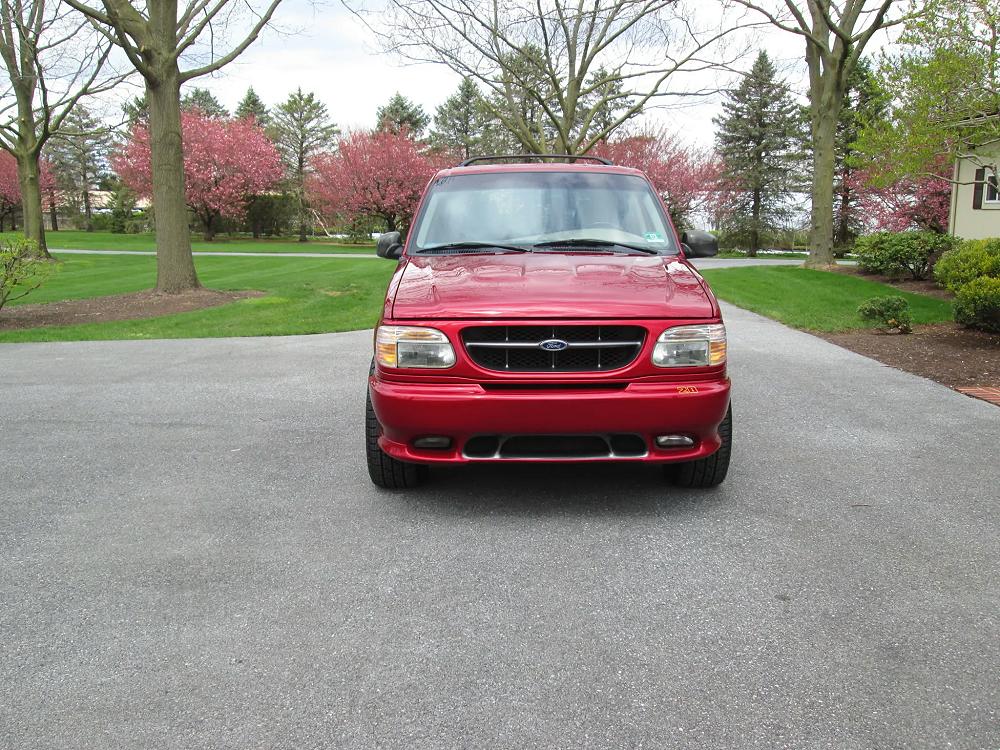
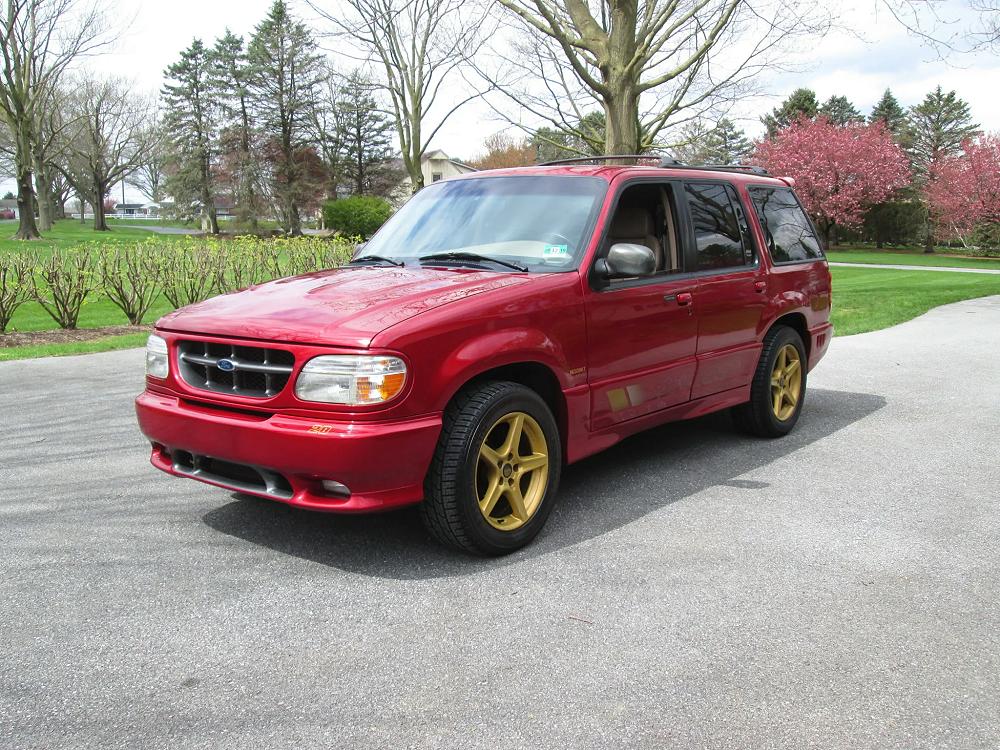
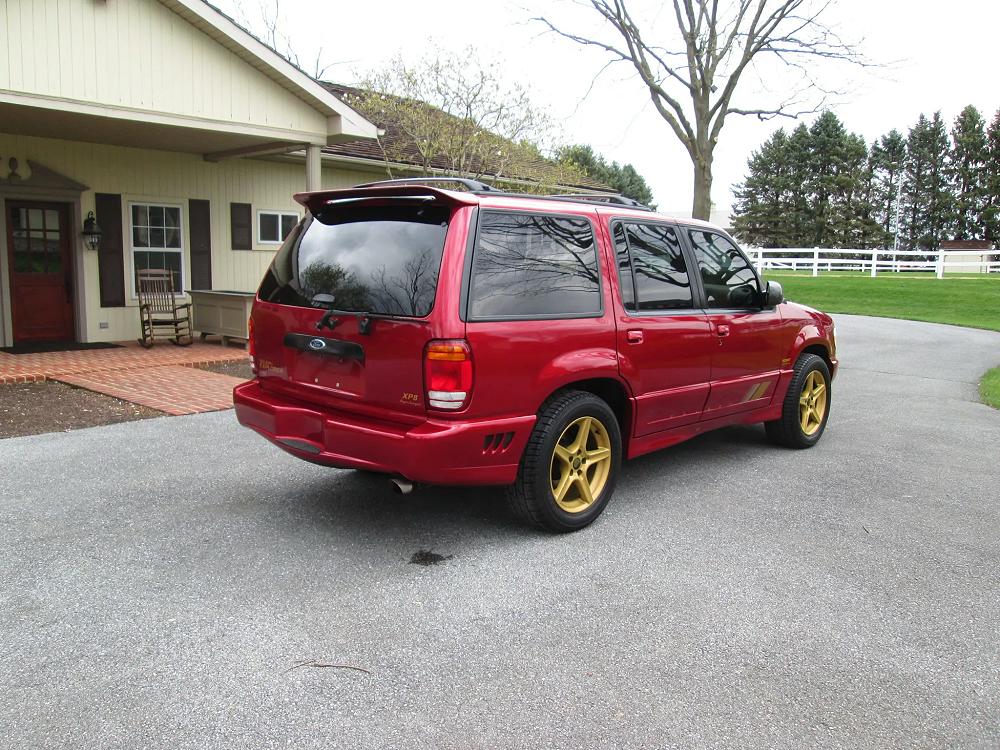
Visually, the XP8 made it clear this was no ordinary Explorer. The exterior featured a full aerodynamic body kit designed by Phil Frank, including a revised front valance, side skirts, door cladding, and unique bumper covers.
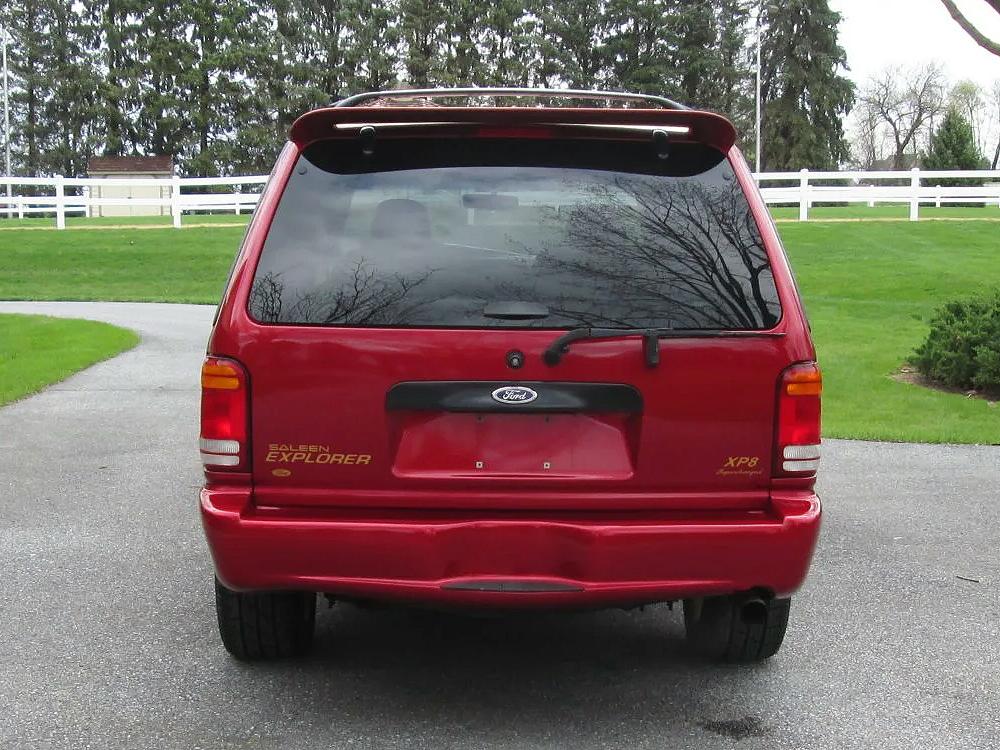
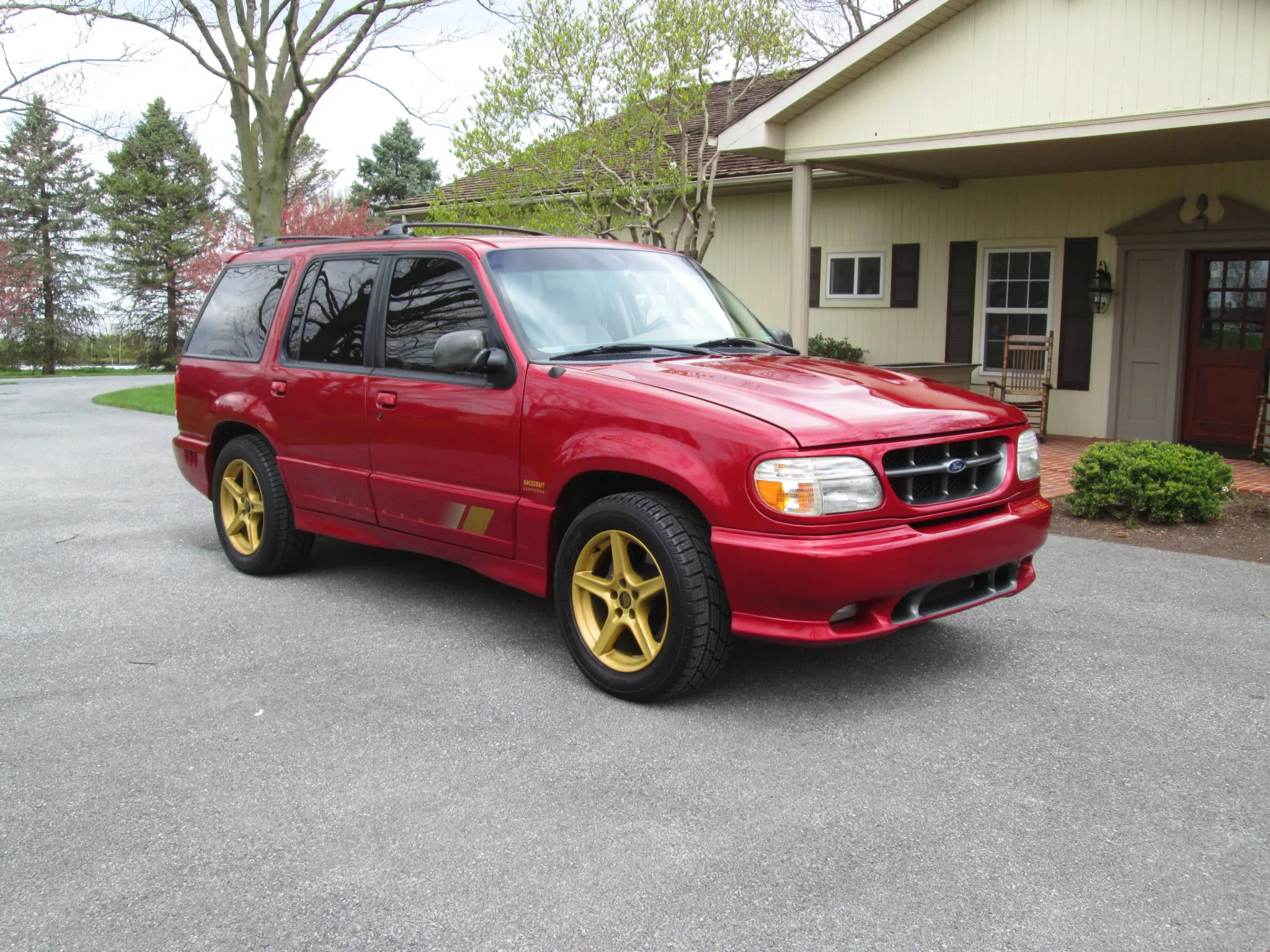
A roof-mounted rear spoiler added to the aggressive look, while optional design elements like a Saleen hood and fog lights gave the SUV even more presence. Many XP8s were finished in eye-catching colors like Toreador Red and paired with distinctive gold 18-inch Saleen wheels wrapped in Pirelli Scorpion Zero tires.
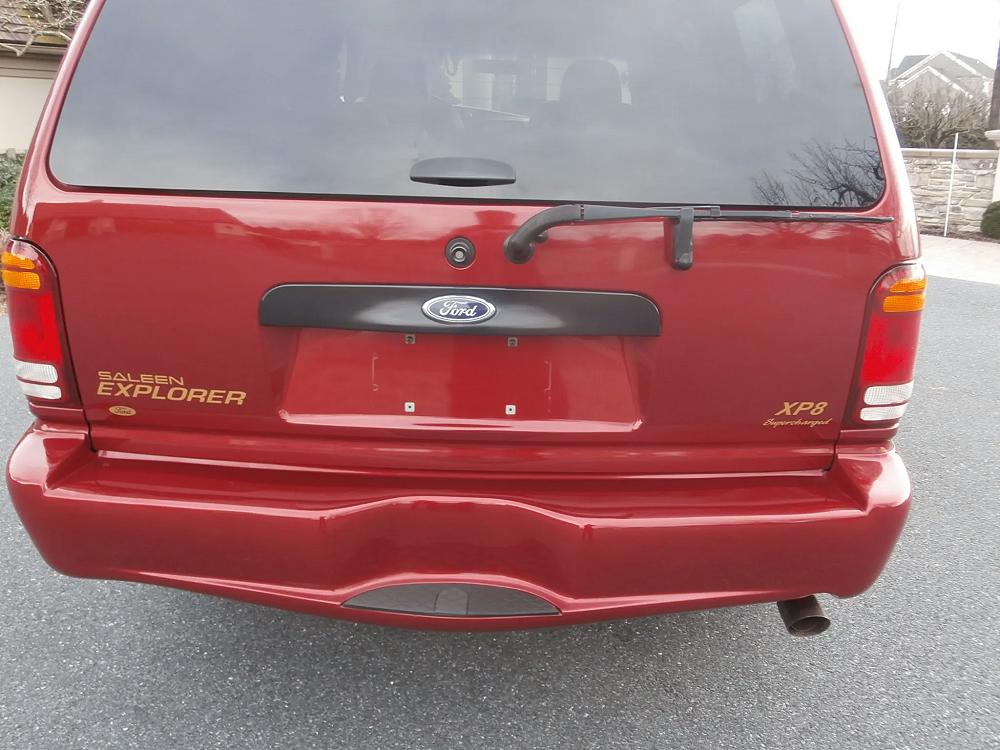
Period-correct Saleen graphics and badging completed the look, making the XP8 instantly recognizable to those in the know.
A Premium, Performance-Focused Interior
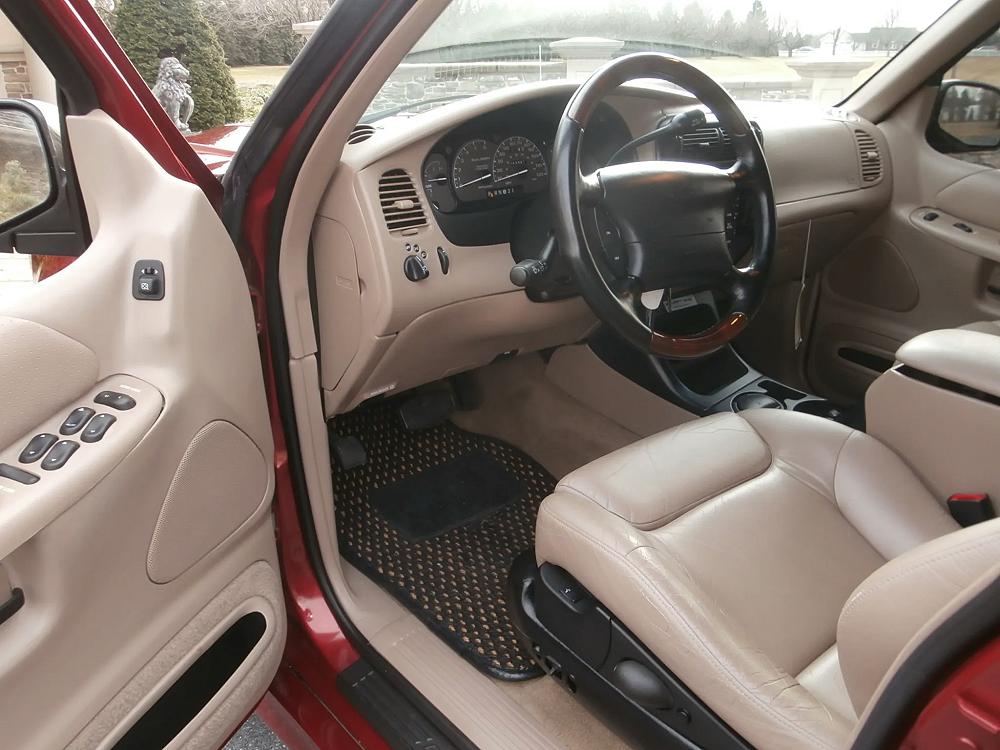
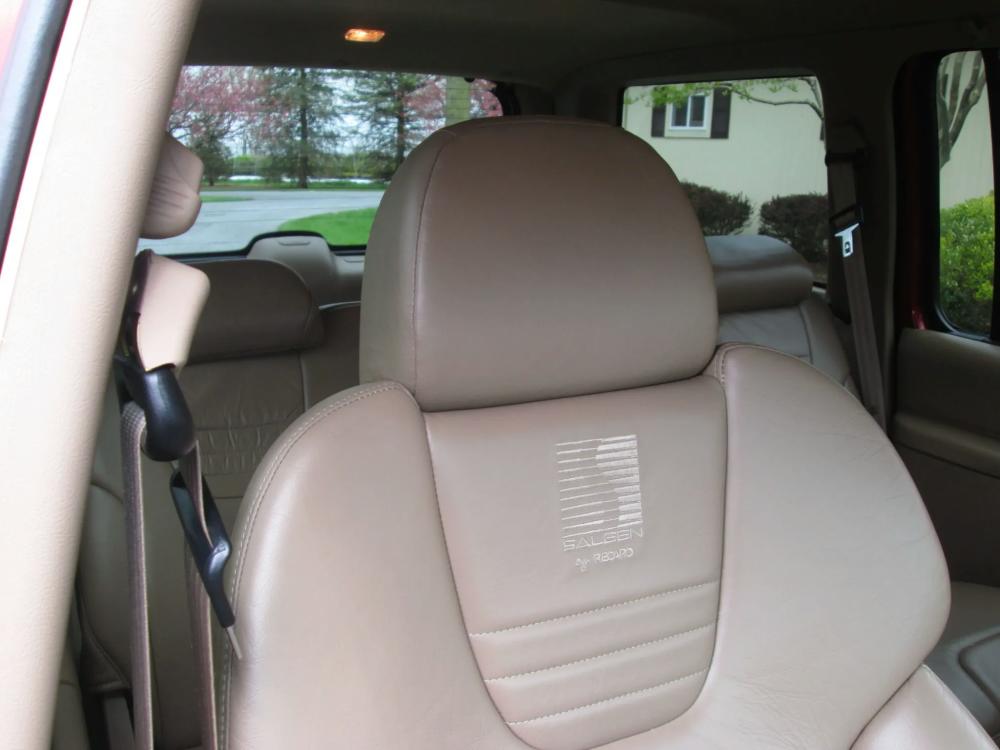
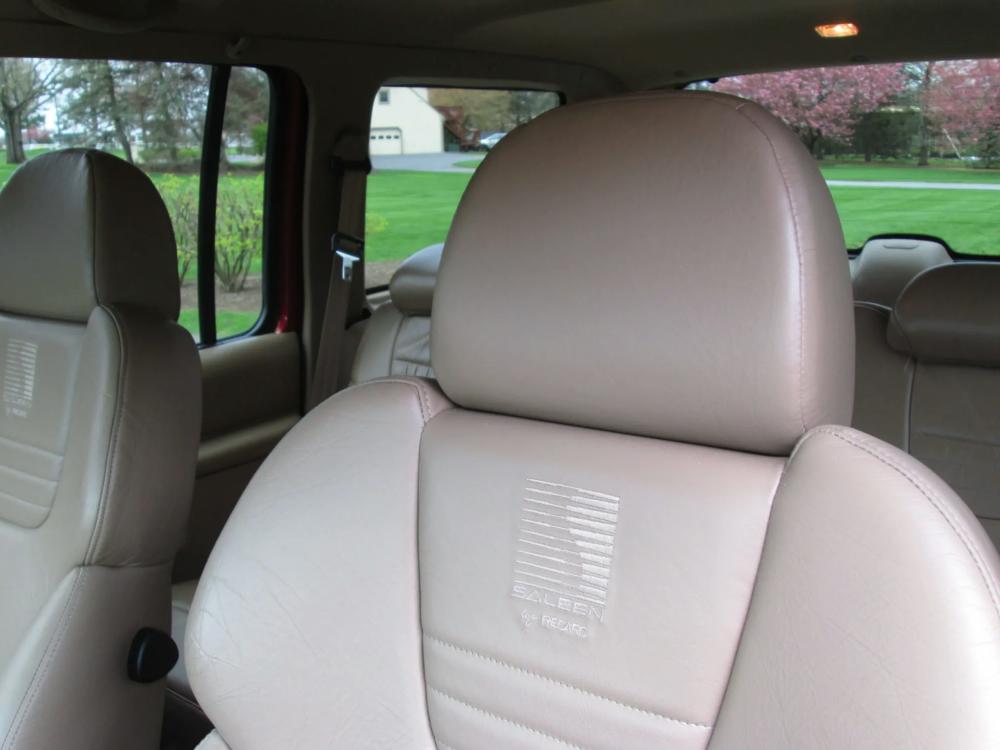
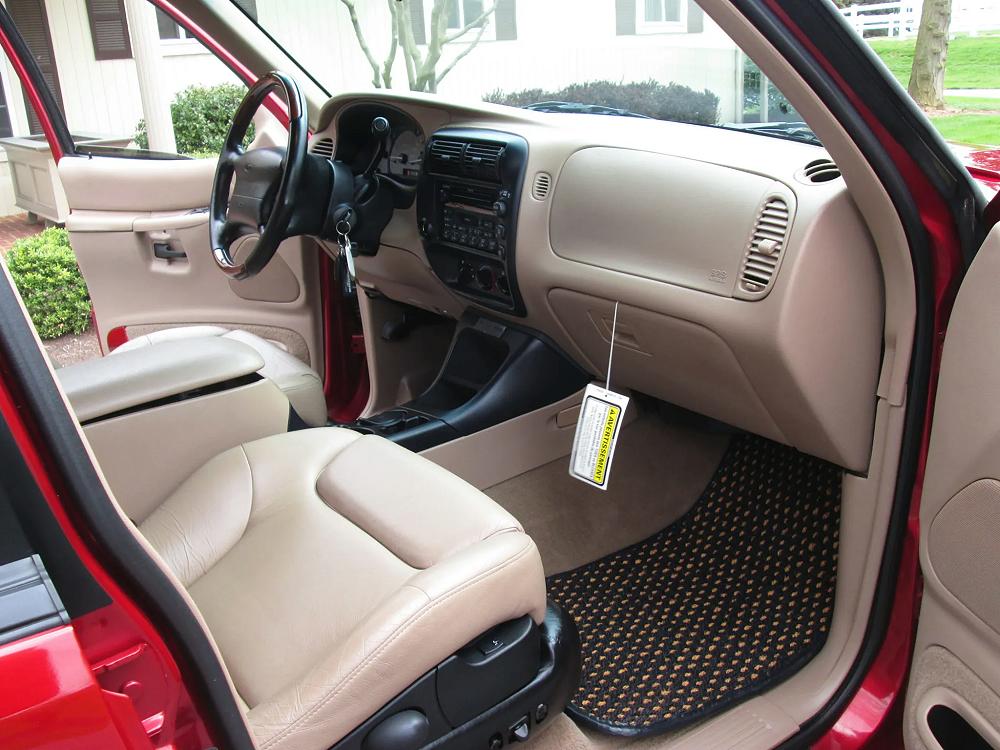
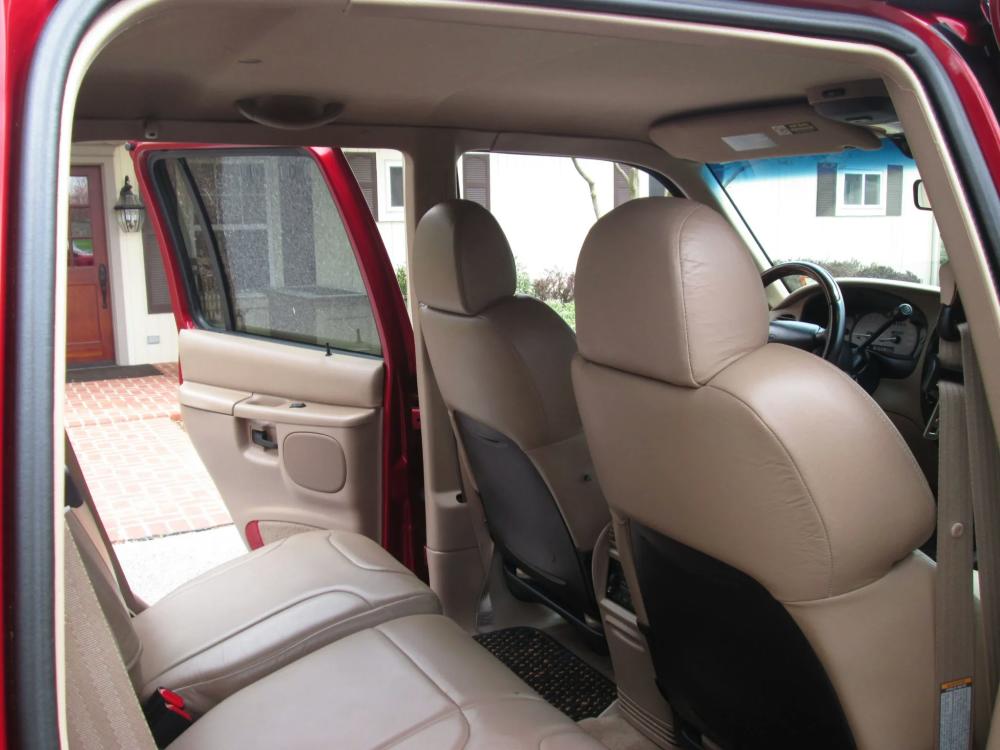
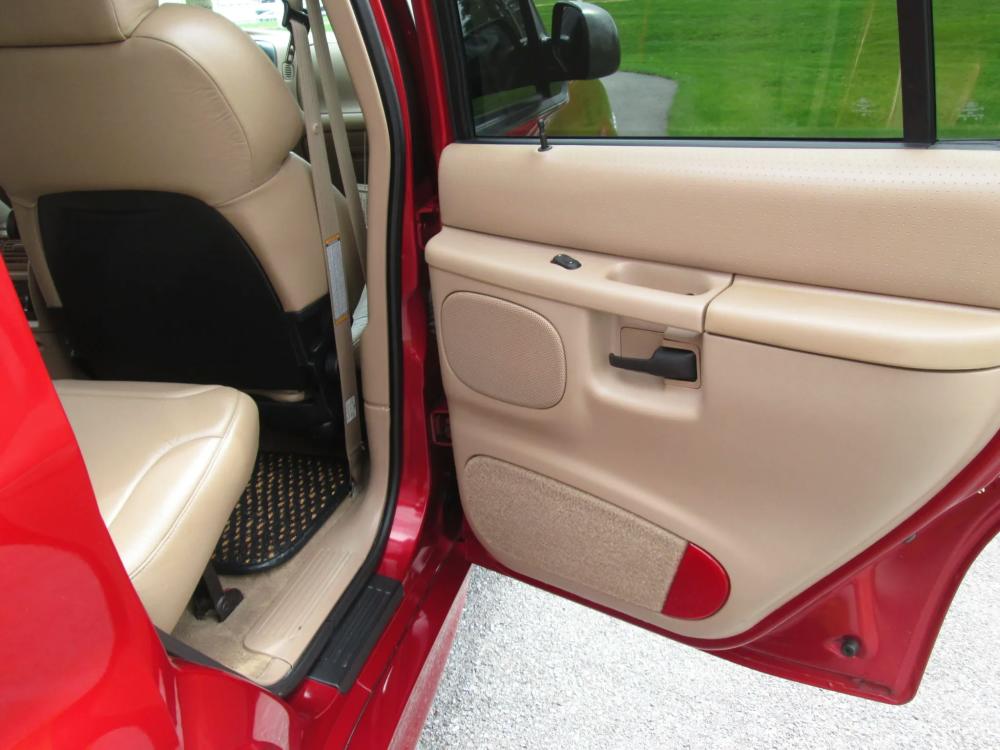
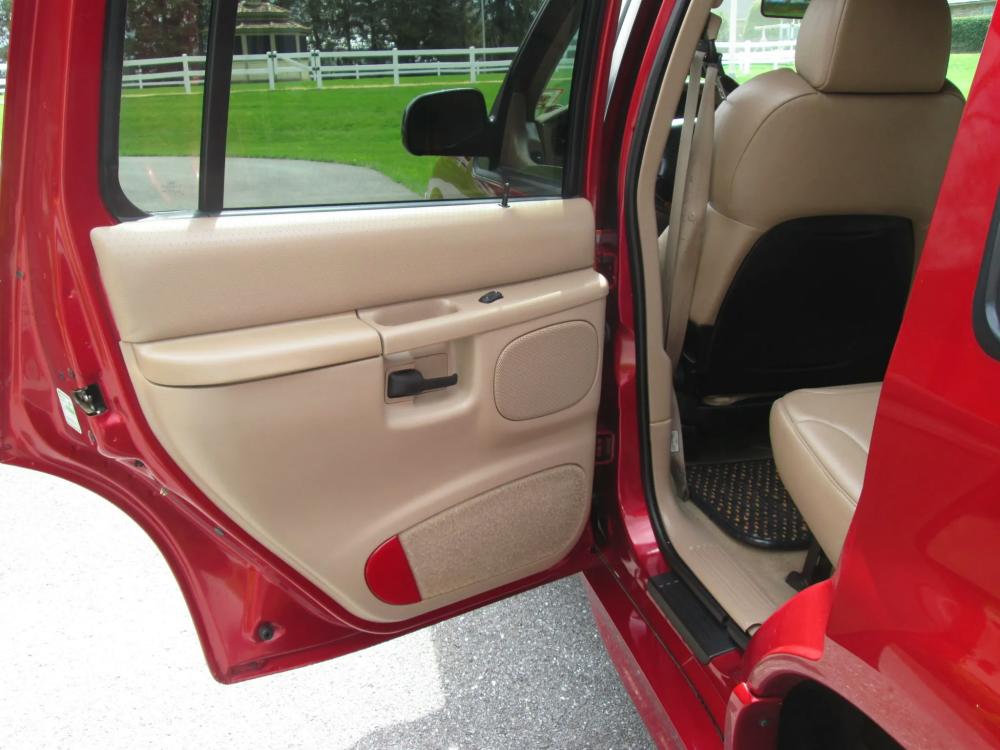
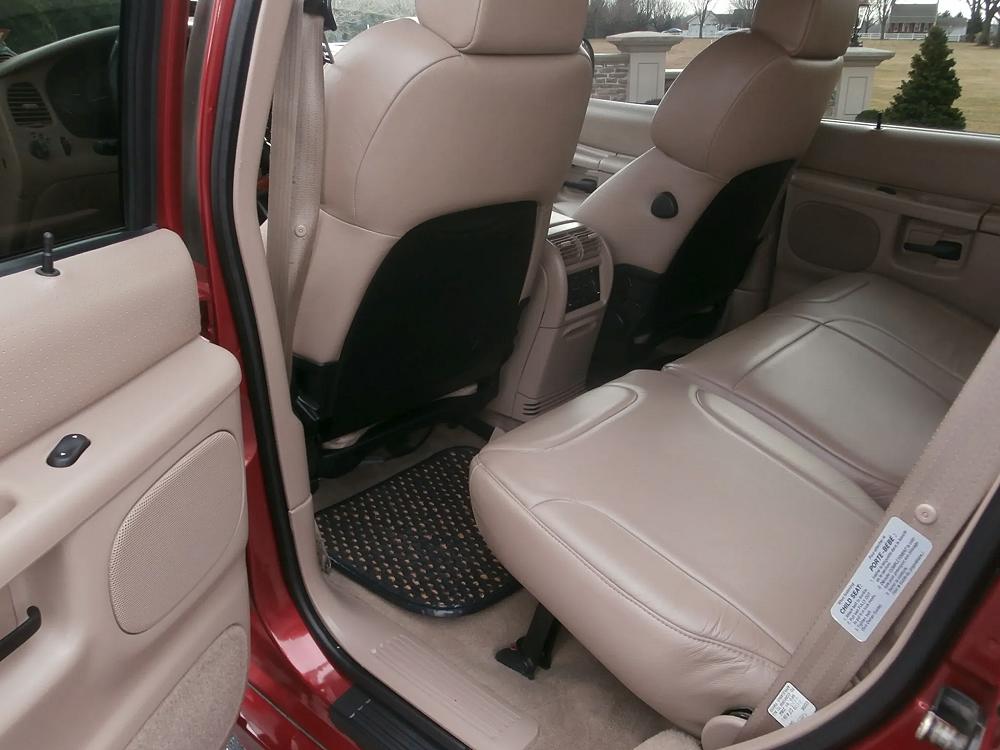
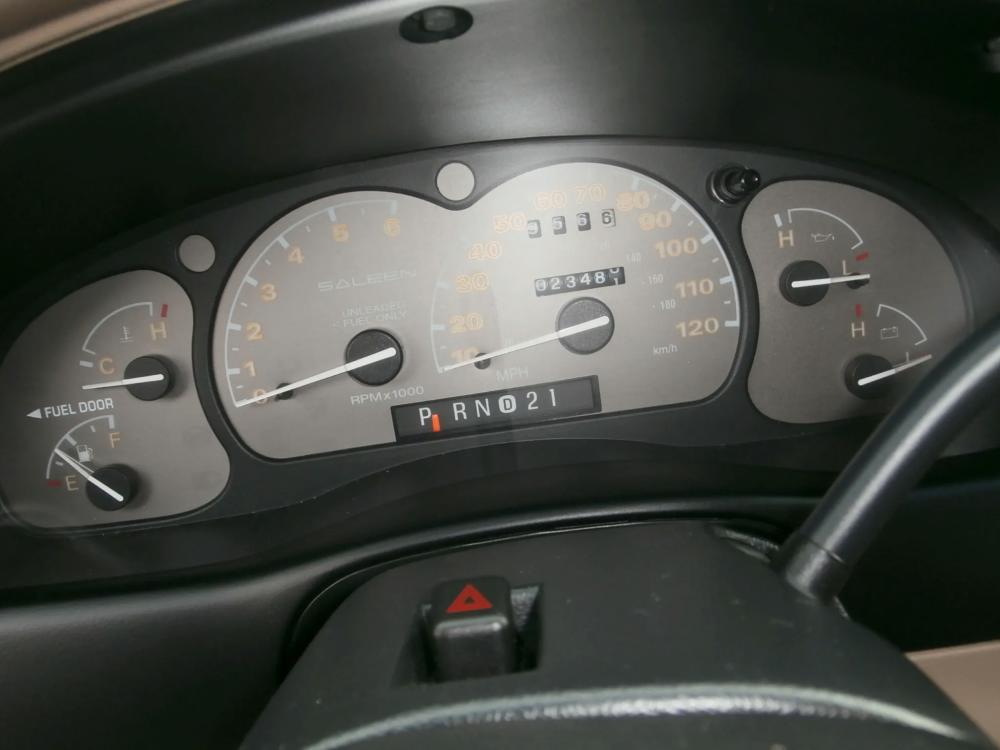
Inside, the XP8 received a mix of luxury and motorsport-inspired upgrades. The cabin often featured tan leather upholstery, Saleen-branded instrumentation, and a leather- and wood-trimmed steering wheel.
Optional Recaro sport seats added both comfort and support, while details like custom gauges with gold lettering reinforced the vehicle’s exclusivity. Even the audio system reflected the era, with CD and cassette playback and available rear-seat controls.
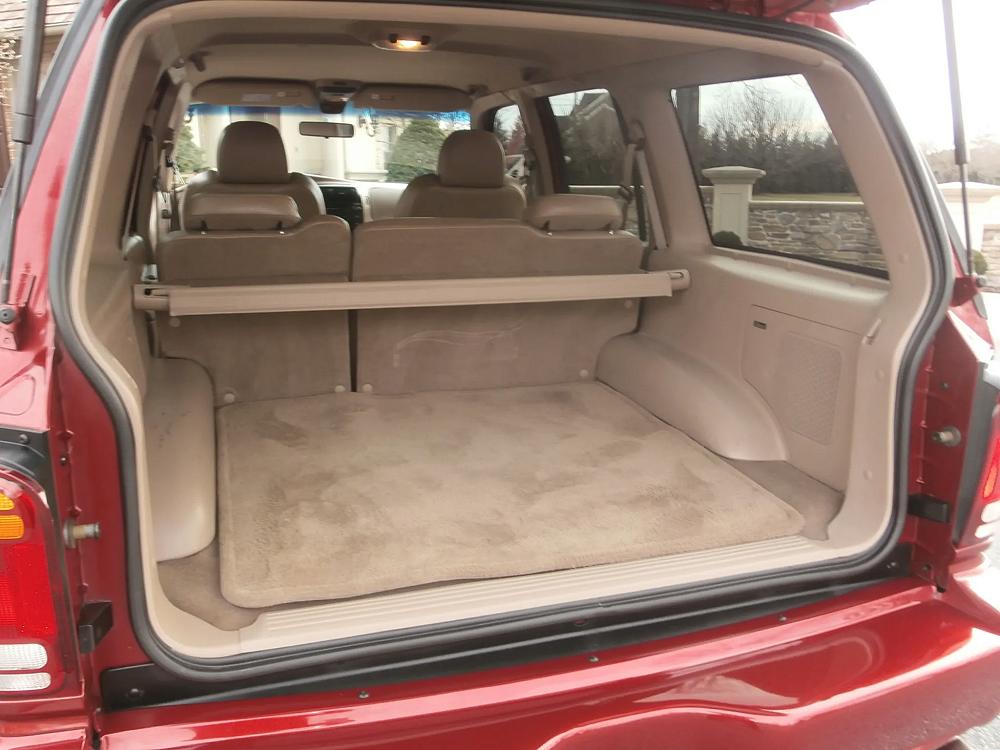
Despite its performance focus, the XP8 retained the practicality expected from an Explorer, including power accessories and ample cargo space.
A Real-World Example: XP8 #28
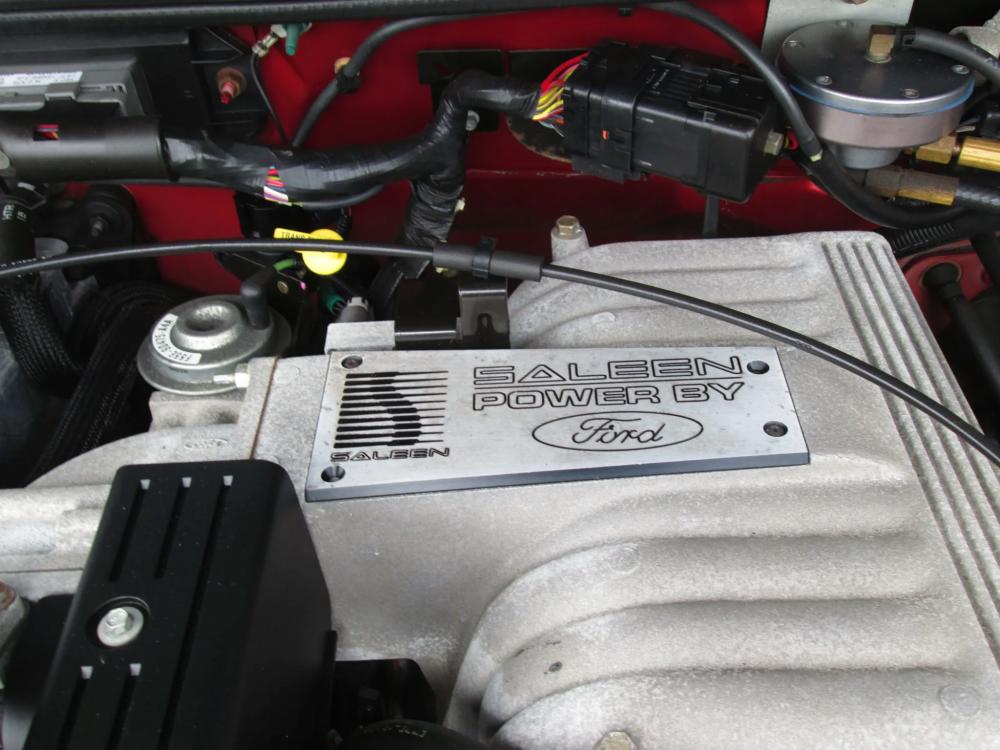
One particularly well-preserved example, XP8 #28, highlights just how special these vehicles are today. Finished in Toreador Red with gold wheels, this supercharged model spent over two decades with its original owner before changing hands.
With just around 23,000 miles on the odometer, it remains remarkably original, even retaining its Saleen body kit, Recaro seats, and factory-style audio system. Aside from minor cosmetic wear, such as a small touched-up scratch on the hood, the vehicle stands as a time capsule from the early days of performance SUVs.
When new, examples like this carried a price tag of over $52,000—a significant sum at the time, reflecting both the upgrades and exclusivity.
Rarity and Legacy
Production numbers for the Saleen XP8 remain somewhat unclear, but most estimates place total output somewhere between 120 and 300 units. Regardless of the exact figure, it is undeniably rare.
More importantly, the XP8 helped lay the groundwork for an entirely new segment. Today’s high-performance SUVs—from track-ready luxury models to supercharged off-roaders—owe a small debt to early experiments like this one.
Why the XP8 Still Matters
The Saleen XP8 wasn’t just a modified Explorer—it was a bold idea executed years before the market was ready. It proved that SUVs didn’t have to sacrifice performance for practicality, and in doing so, it quietly helped shape the future of the automotive industry.
Today, it stands as a rare and collectible piece of that evolution—a reminder that sometimes, the most influential vehicles are the ones that arrive before their time.
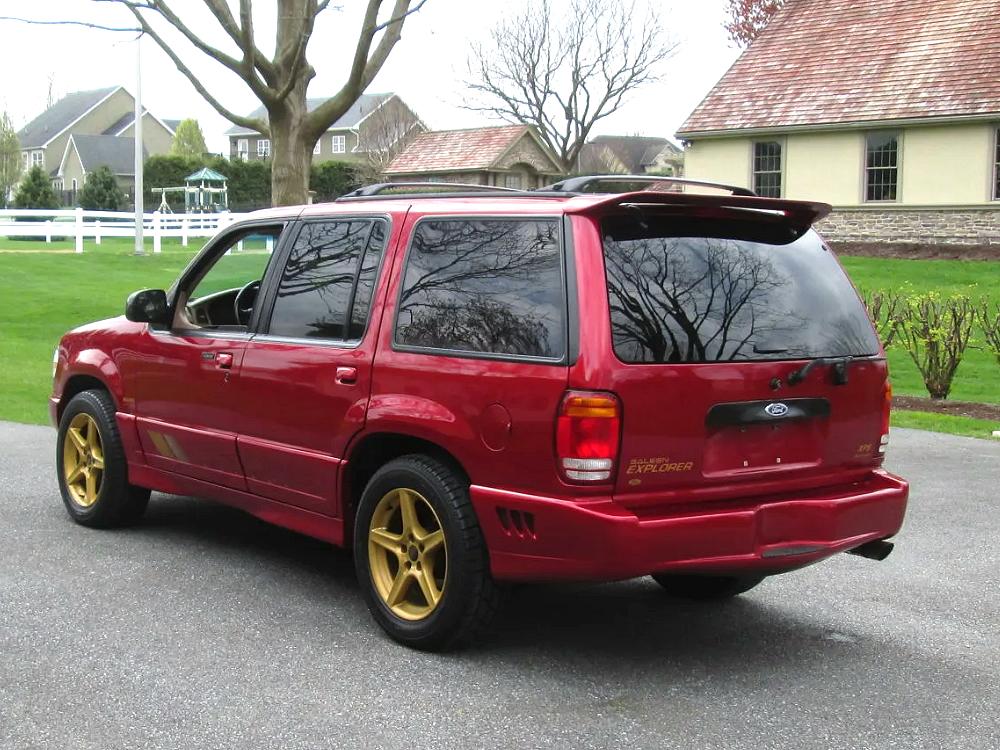
Photo Gallery
About The Author

Growing up, my father always believed that every family needed a truck—there’s just something about having a vehicle capable of hauling anything at a moment’s notice. That philosophy stuck with me, and it’s been the foundation of my lifelong passion for Ford trucks.
While I’m best known for my work with Ford Rangers, I’ve owned a wide variety of Ford trucks over the years—including F-150s, F-250s, F-350s, and even larger rigs like the Ford Excursion, Ford Expedition, and a 1982 Ford Econoline Sportsmobile camper van. I’ve used these vehicles for everything from family transportation to towing car trailers and campers, and each one has fueled my love for Ford’s versatility and durability.
I especially enjoy the styling of 1970s and 1980s Ford trucks—the bold designs, rugged presence, and classic charm are timeless. Sharing my passion for Ford trucks, vans, and SUVs with other enthusiasts online brings me a great deal of joy, and it’s why I created Blue Oval Trucks.
This website is dedicated to helping Ford truck enthusiasts explore, learn about, and celebrate these incredible vehicles. While I share my expertise and experiences here, Blue Oval Trucks is an independent enthusiast site and is not affiliated with Ford Motor Company.