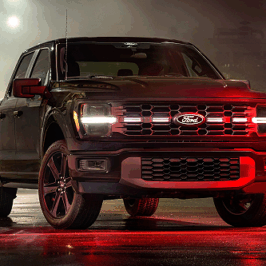
The Rise of the Hot Rod F-150
There was a time when building a seriously fast street vehicle meant starting with a car. If you wanted a Ford, there was the Mustang. If you wanted something with a little more room, there were plenty of other rear-wheel-drive V8 cars to choose from.
Those days are disappearing.
The modern automotive market doesn’t offer nearly as many traditional rear-wheel-drive V8 platforms as it once did. But Ford still builds a vehicle that provides an unusually good foundation for a hot rod: the F-150.
It may seem strange to call a full-size pickup a hot rod but spend some time looking at what people are doing with today’s Coyote-powered F-150s and the idea starts making a lot more sense.
Ford’s 5.0-liter Coyote V8 produces 400 horsepower and 410 lb-ft of torque in the F-150. It is backed by a 10-speed automatic transmission and is available in a regular-cab configuration that gives performance enthusiasts a relatively lightweight, short-wheelbase platform to work with.
And then the aftermarket gets involved.
Superchargers, fuel systems, tuning, suspension, wheels and tires can transform the truck into something that has little in common with the pickup that originally left the dealership.
The Modern Hot Rod
Earlier this year, I wrote about an 800-plus-horsepower 2025 F-150 built by Gas Monkey Garage in Dallas. That truck is just one example of the direction the F-150 performance market is taking. Read the Gas Monkey Garage F-150 story.
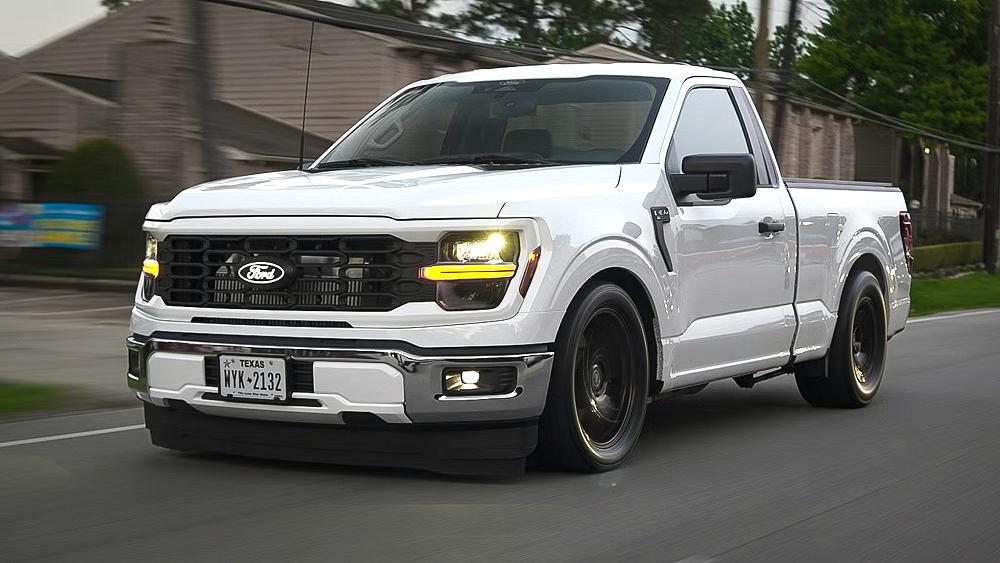
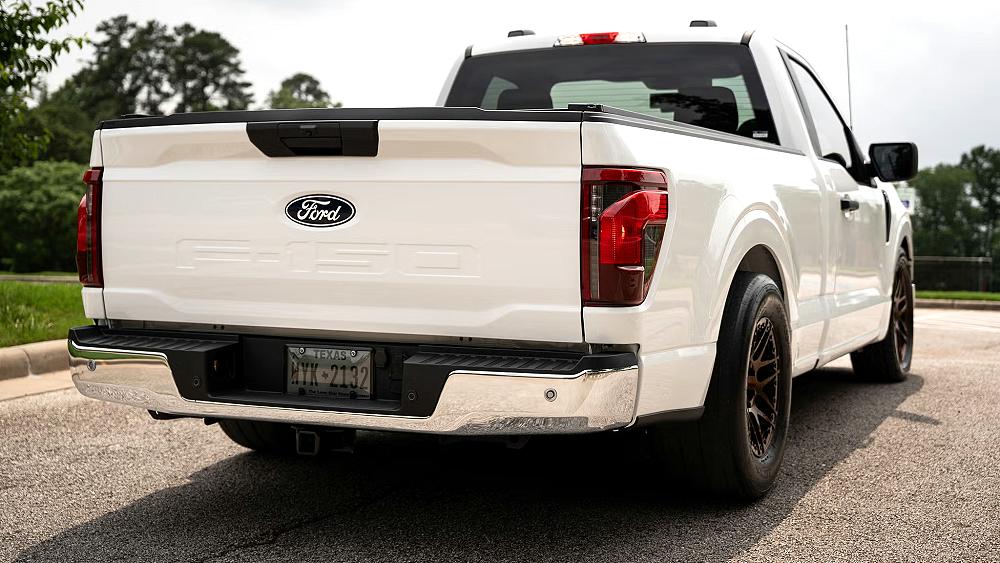
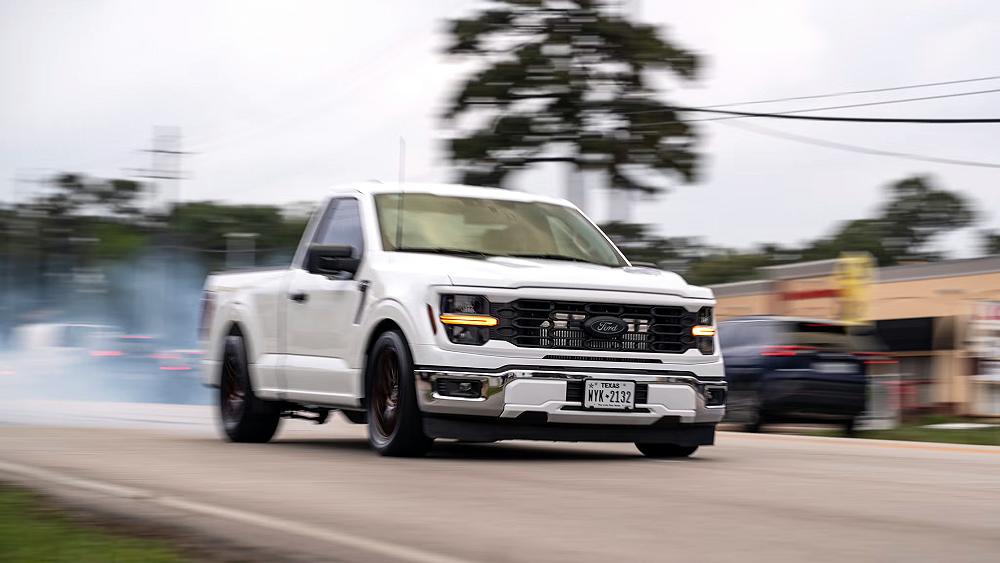
I didn’t have to look far before I found the F-150 built by Elie Bejjani of High Performance Connection in Spring, Texas. This 5.0L Coyote-powered 2025 Ford F-150 regular cab produces 1,287 horsepower at the rear wheels.
That’s a number that gets your attention.
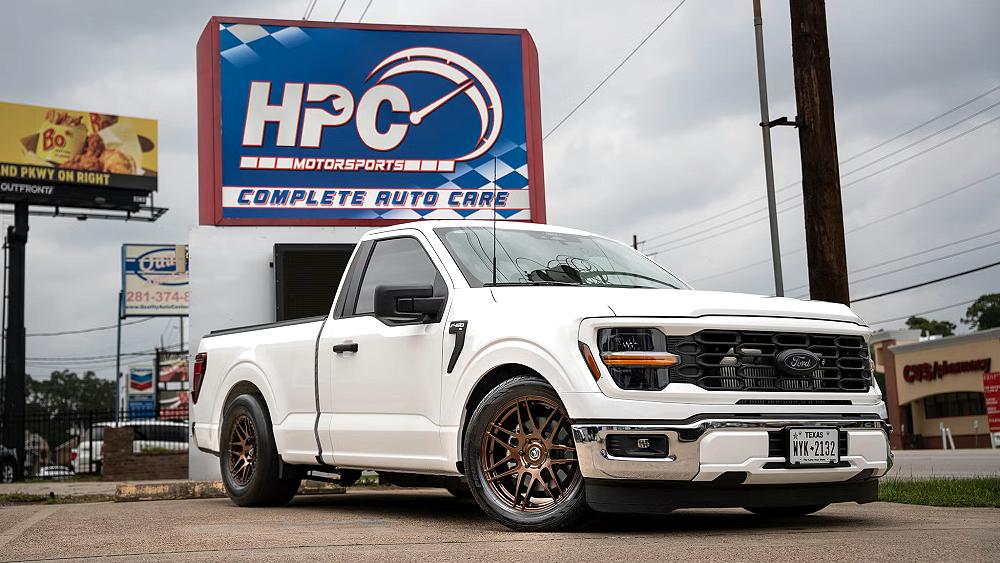
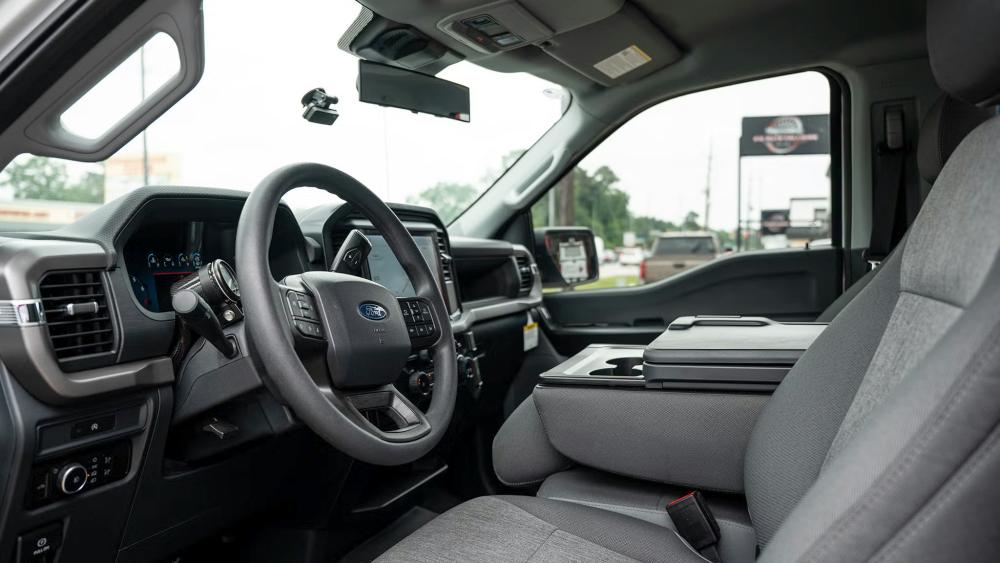
HOT ROD’s story on the truck describes Bejjani’s goal as creating a repeatable combination for Coyote-powered F-150s that enthusiasts could actually use. This isn’t a stripped-down race truck that happens to have an F-150 body. It retains its interior, is driven on the street and has also been tested at the track.
That distinction is important because the appeal of this truck isn’t simply that somebody managed to put an enormous number on a dyno. It’s that the F-150 itself has become such a capable starting point that a truck making four-digit rear-wheel horsepower can still function as a street vehicle.
And Bejjani’s build shows just how far that platform can be pushed.
Turning Up the Boost
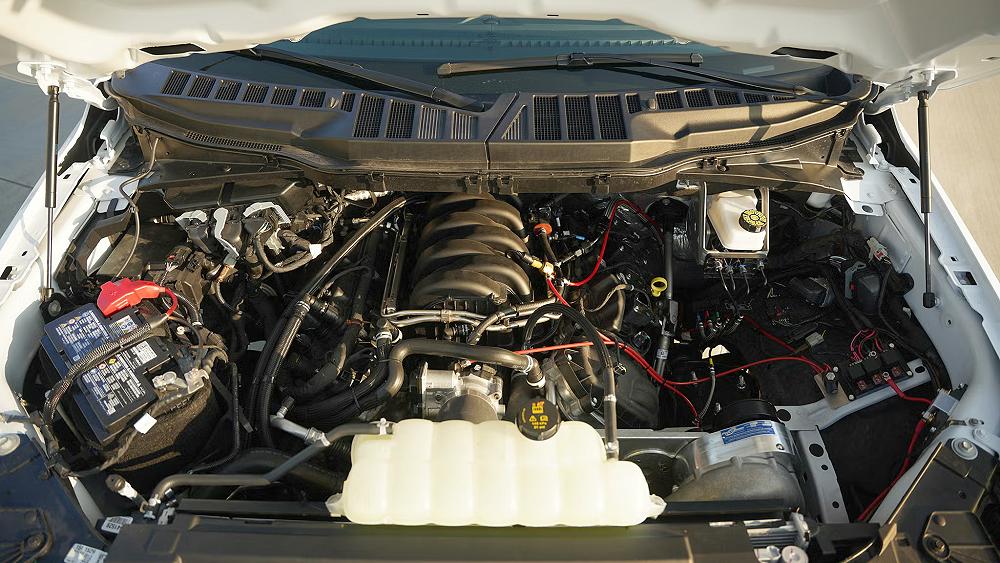
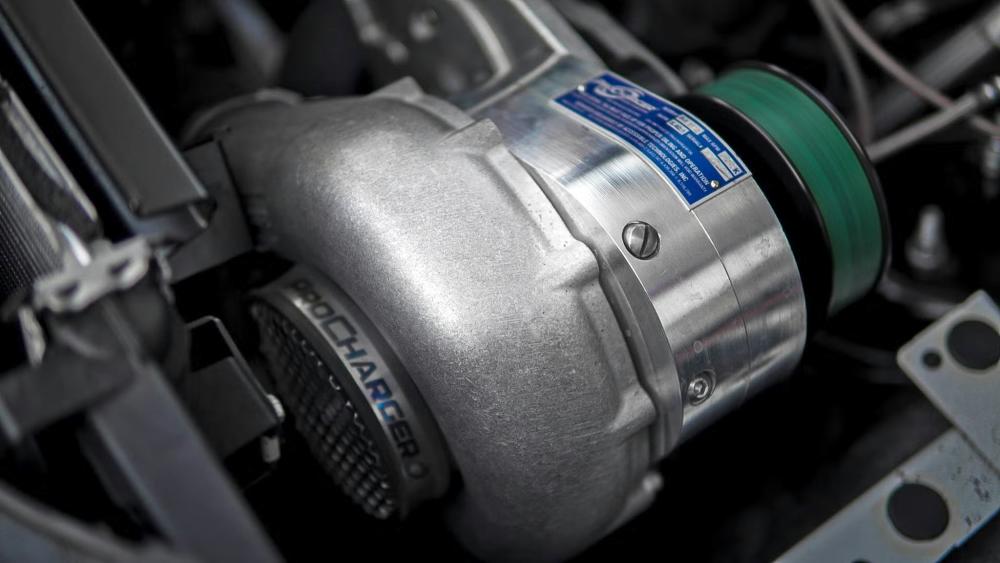
The heart of the combination is a ProCharger F-1A-94 centrifugal supercharger. The Stage II system includes a race intercooler, blow-off valve and supporting hardware designed to move considerably more air than the factory Coyote was ever intended to process.
Of course, adding a giant supercharger creates a chain reaction. More air requires more fuel, and more cylinder pressure requires the rest of the combination to be capable of supporting it.
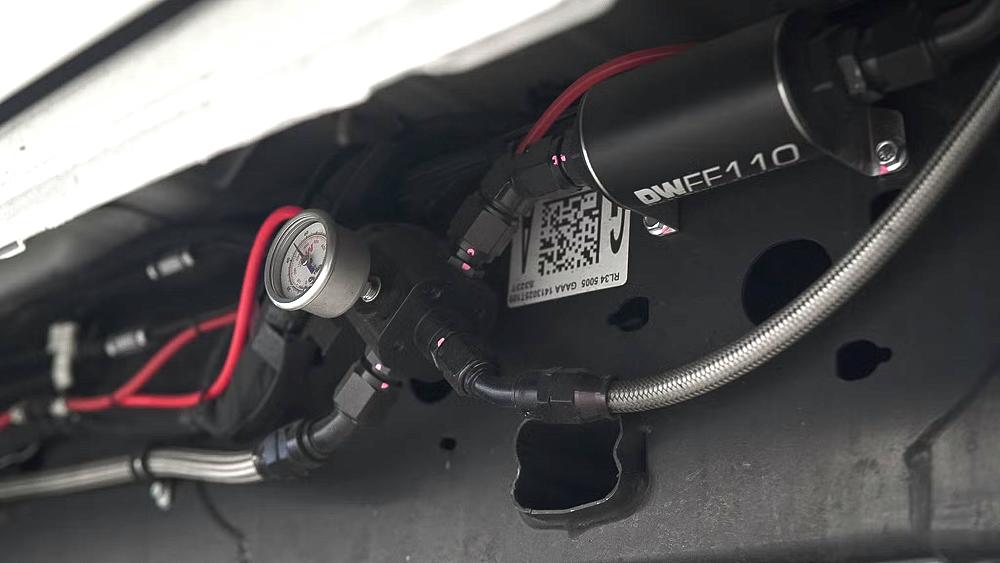
Bejjani equipped the truck with Injector Dynamics 1300cc injectors and a DeatschWerks triple-pump fuel system. A Snow Performance water-methanol system provides additional cooling, while Stainless Works long-tube headers and a custom dual exhaust handle the spent gases.
The truck has been tested with several fuel combinations, including 93-octane gasoline, 93 with methanol, E85 and E85 with water-methanol injection. The 1,287-rwhp figure was achieved using E85 with water-methanol.
That’s an important part of understanding the number. This isn’t a claim that you can pull into any gas station, fill the tank with 93 octane and immediately make 1,287 horsepower. It’s the output of a carefully developed combination using the fuel and supporting systems required to operate at that level.
Still, there’s no getting around the number.
1,287 horsepower at the rear wheels.
And unlike a dyno-only engine sitting on a stand, this power is being produced by a truck that still has a cab, a bed and a street life.
Making the Power Usable
Getting that much power out of a Coyote is only half the job. The more interesting challenge is getting it onto the pavement.
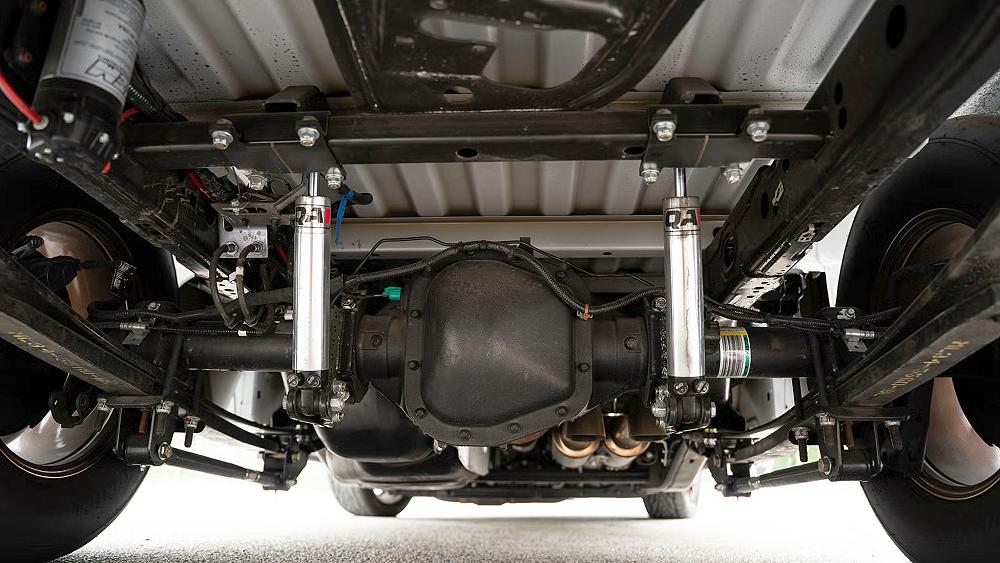
Bejjani’s F-150 uses an IHC lowering kit, traction bars and QA1 shocks to control the chassis. The truck rides on Forgestar wheels, with 20-inch wheels up front and 17-inch beadlocks in the rear, while Mickey Thompson drag radials provide the contact patch responsible for turning all that horsepower into forward motion.
That’s particularly important because this isn’t a four-wheel-drive launch.
The truck sends its power through the rear tires, which means traction becomes a limiting factor long before the engine runs out of power. At this level, suspension geometry, shock control, tire compound and tire size aren’t cosmetic details. They’re part of the performance package.
The same goes for the transmission and engine management. Modern performance trucks benefit from electronic control systems that simply weren’t available to the hot rodders who were building the cars we grew up with.
Bejjani’s truck is calibrated using HP Tuners, with Rob Shoemaker handling the tuning. That allows the engine, fuel system, boost and other components to work together instead of simply piling horsepower-producing parts onto the engine and hoping everything gets along.
It’s one of the reasons the modern F-150 makes such an interesting hot rod.
A Hot Rod You Can Buy as a Pickup
The traditional hot rodder had to find a body, locate an engine and transmission, build a chassis and suspension, figure out brakes and cooling, and then spend countless hours getting all of those pieces to work together.
Today’s F-150 arrives with all of that already engineered.
You get the Coyote V8, a sophisticated 10-speed automatic, a modern chassis, electronic engine management, factory cooling and braking systems, and a body that still provides the thing that separates a truck from most performance cars: a bed.
Then the aftermarket allows you to change the personality of the entire vehicle.
The result can be mild, like a truck with a little extra power and a good set of wheels, or completely outrageous, like Bejjani’s F-150.
That’s why I think the regular-cab F-150 is becoming one of the more interesting hot-rod platforms available today.
It isn’t just about horsepower. It’s about what the truck gives an enthusiast before the first aftermarket part is installed.
HOT ROD made an interesting comparison when it described the regular-cab, short-bed F-150 as something of a modern equivalent to the Fox-body Mustang. The comparison isn’t difficult to understand. The Fox became a legendary performance platform because it was relatively light, had a strong aftermarket and responded exceptionally well to modifications.
The modern F-150 is considerably more sophisticated, but the basic attraction is similar. There is a relatively compact version of a mass-produced vehicle with a V8, rear-wheel drive and an enormous aftermarket waiting to see what can be done with it.
Only now the vehicle happens to be a pickup.
The Hot-Rod Truck Is Changing
Performance trucks aren’t new. Ford has built them before, and enthusiasts have been making pickups go fast for as long as people have been modifying vehicles.
What’s different is how accessible the performance has become.
A truck like Bejjani’s doesn’t require a completely custom chassis or a purpose-built race engine just to be interesting. The factory platform does much of the heavy lifting. The aftermarket is filling in the gaps and pushing the limits of what the truck can do.
And there’s a lot more happening than one 1,287-horsepower F-150.
Whipple, ProCharger and other manufacturers are developing increasingly powerful forced-induction systems for the Coyote. Tuners have become an integral part of the process, while suspension and tire manufacturers are developing ways to make these trucks actually use the power being produced.
That’s creating a new kind of performance pickup.
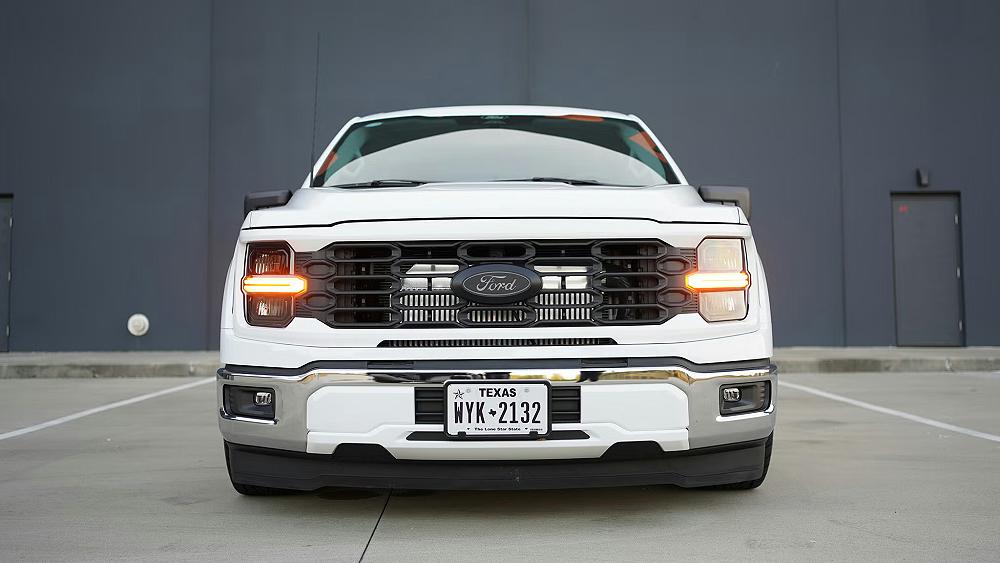
It doesn’t necessarily need a blower sticking through the hood or a set of huge rear tires to announce what it is. Some of these trucks can look almost completely ordinary until the driver decides otherwise.
That’s part of the appeal.
A pickup can still be a pickup.
It just happens to have enough horsepower to make a very different kind of statement.
Are The Fastest Trucks In Texas?
It doesn’t matter if I’m reading articles online or watching videos on YouTube, it seems like the fast trucks are always from Texas. Which makes me have to ask; are the fastest street trucks in Texas?
Links
HotRod: 1,287-Horsepower ProCharged 2025 Ford F-150 Coyote Build
More Photos
About The Author

Growing up, my father always believed that every family needed a truck—there’s just something about having a vehicle capable of hauling anything at a moment’s notice. That philosophy stuck with me, and it’s been the foundation of my lifelong passion for Ford trucks.
While I’m best known for my work with Ford Rangers, I’ve owned a wide variety of Ford trucks over the years—including F-150s, F-250s, F-350s, and even larger rigs like the Ford Excursion, Ford Expedition, and a 1982 Ford Econoline Sportsmobile camper van. I’ve used these vehicles for everything from family transportation to towing car trailers and campers, and each one has fueled my love for Ford’s versatility and durability.
I especially enjoy the styling of 1970s and 1980s Ford trucks—the bold designs, rugged presence, and classic charm are timeless. Sharing my passion for Ford trucks, vans, and SUVs with other enthusiasts online brings me a great deal of joy, and it’s why I created Blue Oval Trucks.
This website is dedicated to helping Ford truck enthusiasts explore, learn about, and celebrate these incredible vehicles. While I share my expertise and experiences here, Blue Oval Trucks is an independent enthusiast site and is not affiliated with Ford Motor Company.