The Tucci Maverick I Didn’t Like — Until I Started Thinking About It
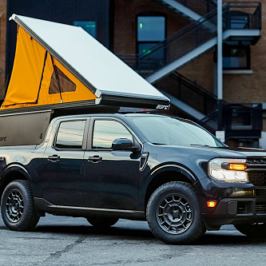
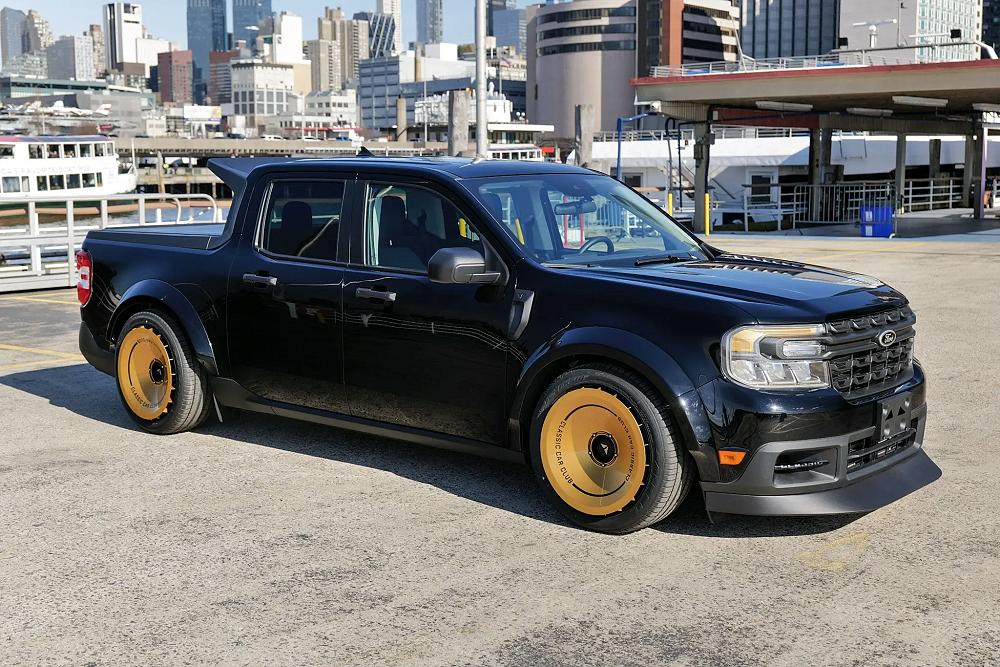
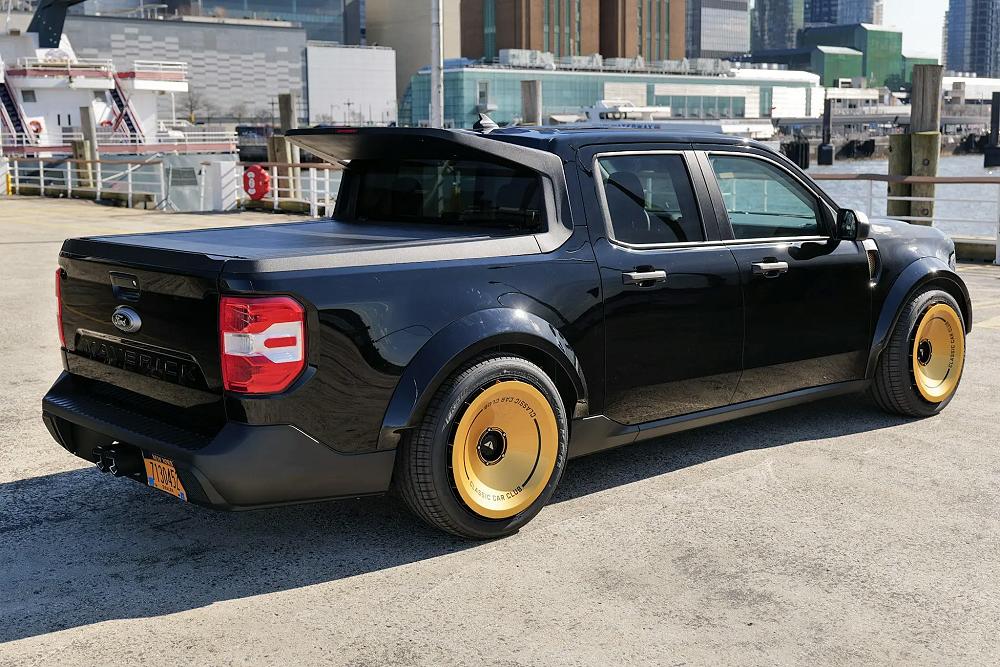
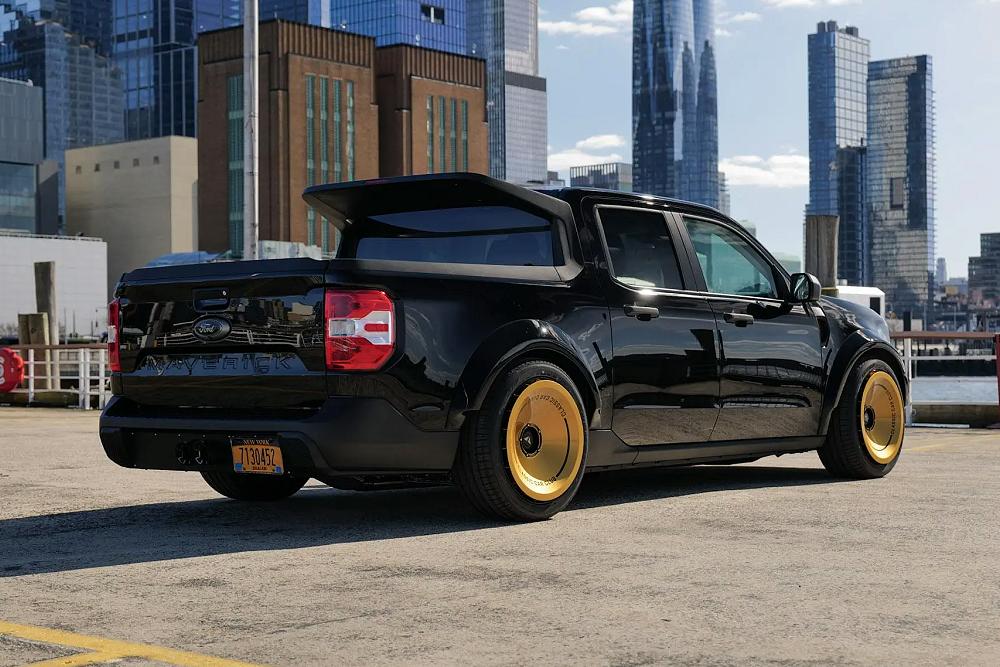
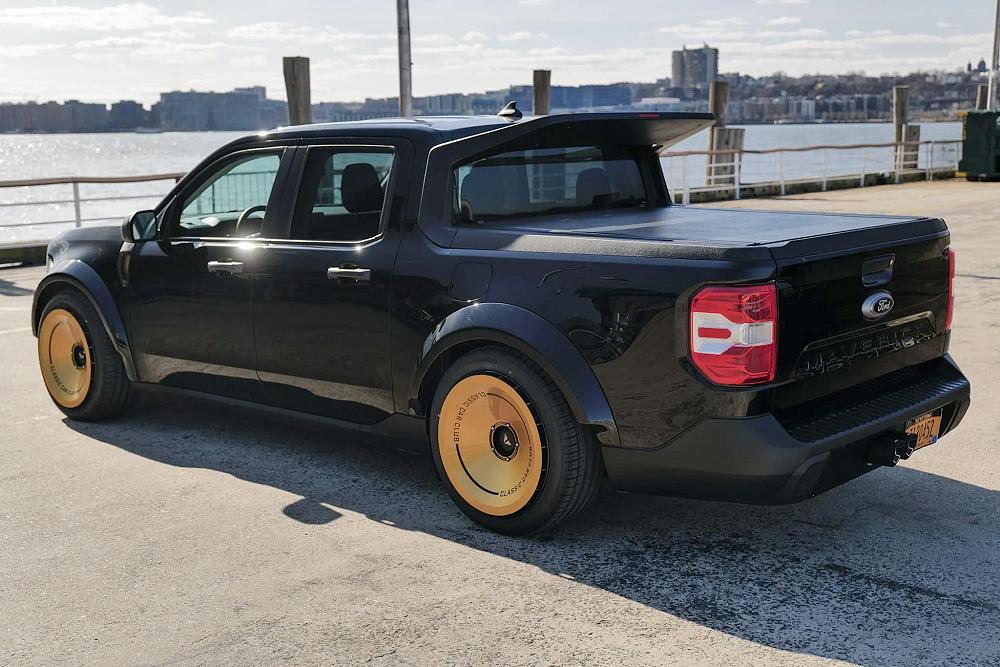
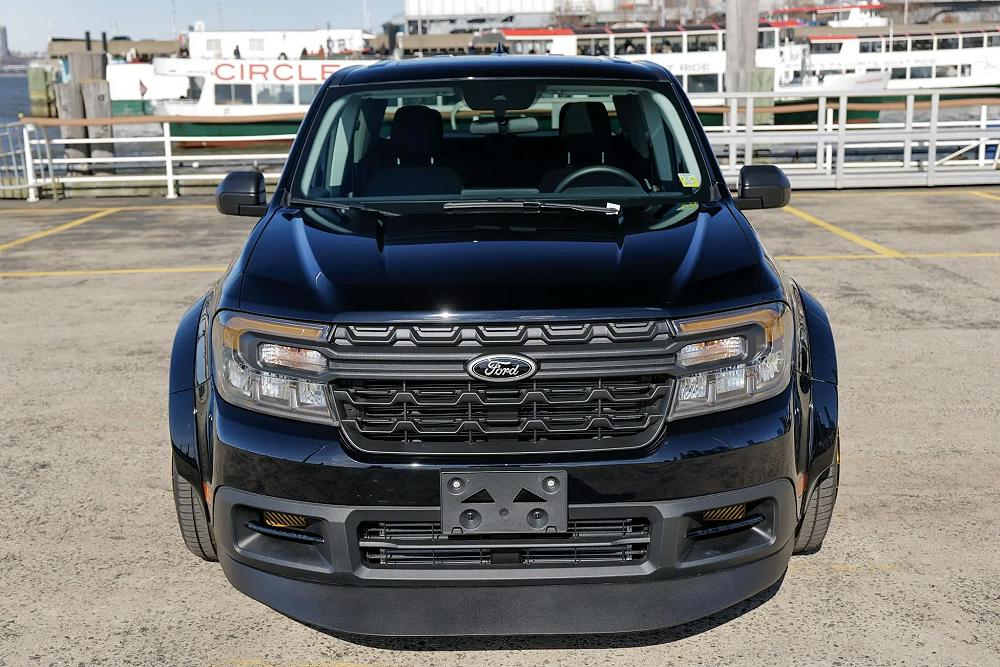
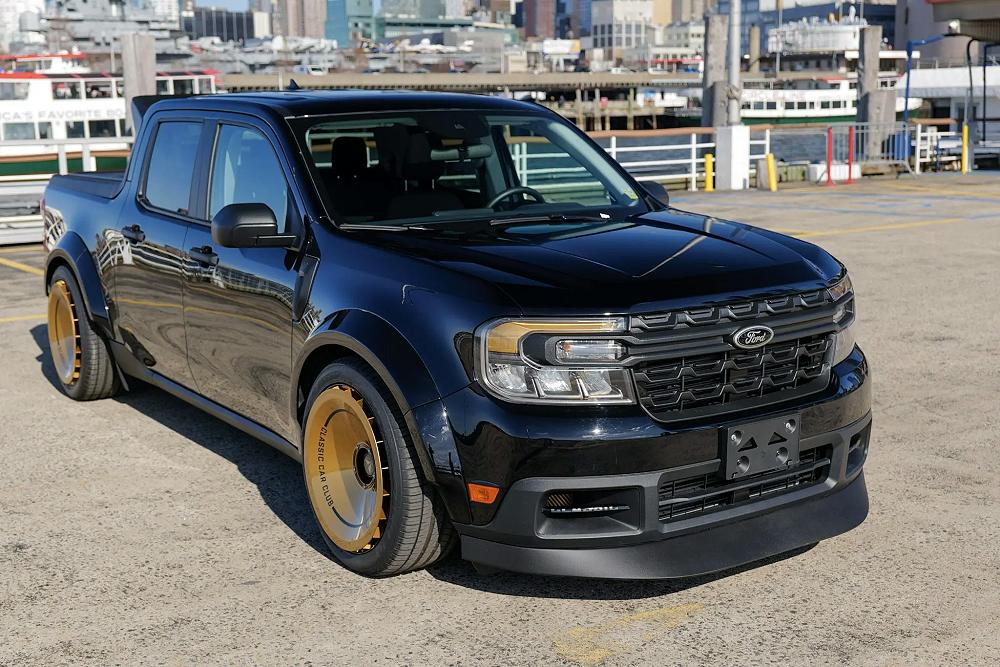
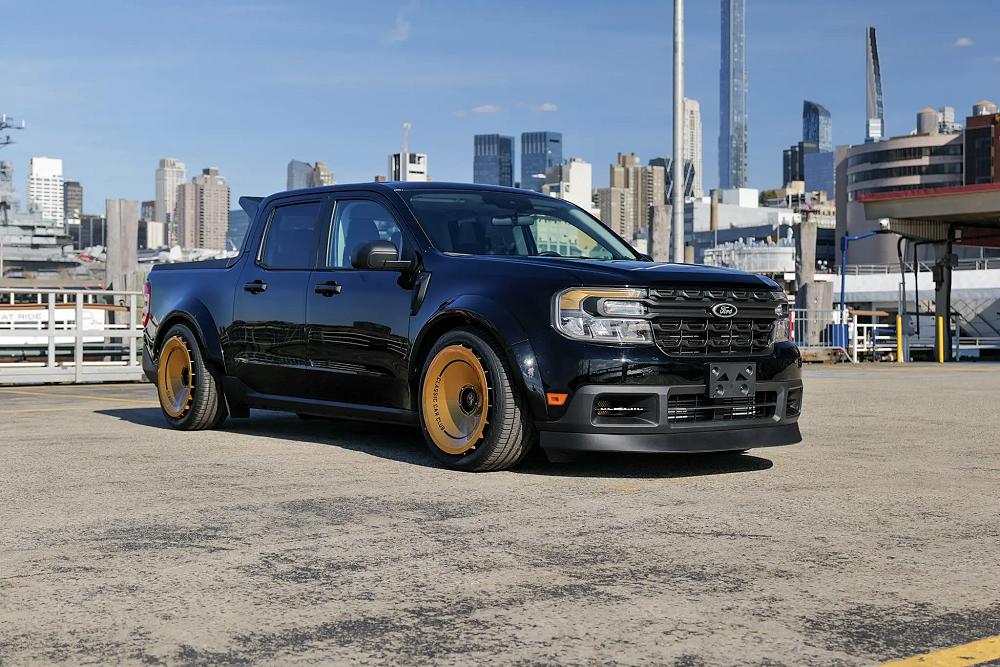
I recently ran across the black 2022 Ford Maverick built by Tucci Hot Rods of Marcy, New York. It was offered on Bring a Trailer in March 2025, but the auction ended without a sale after bidding reached $25,555.
My first reaction to the truck wasn’t exactly positive.
I didn’t like it.
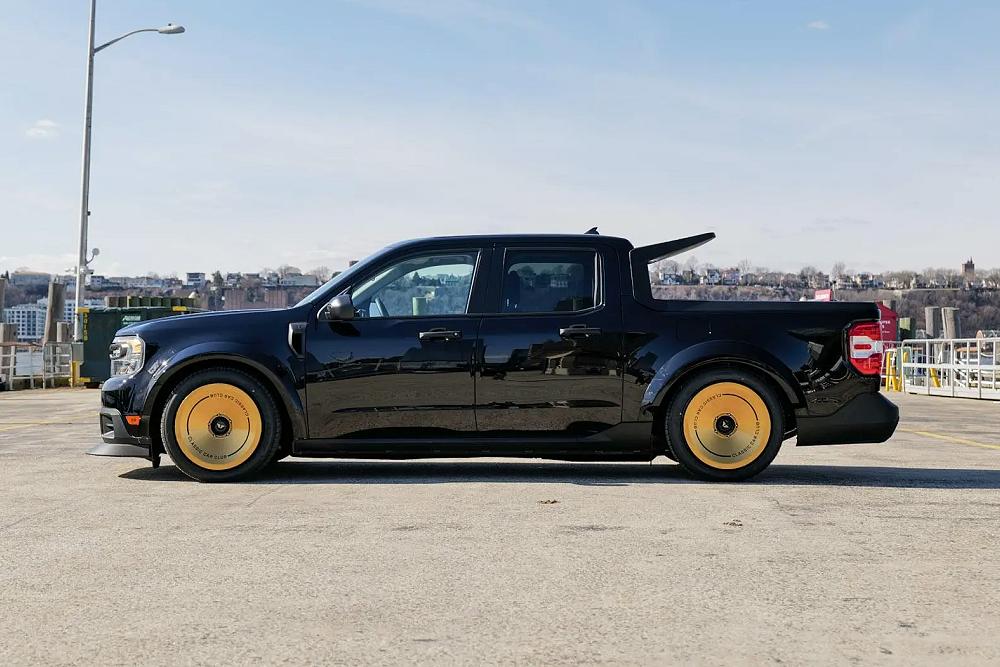
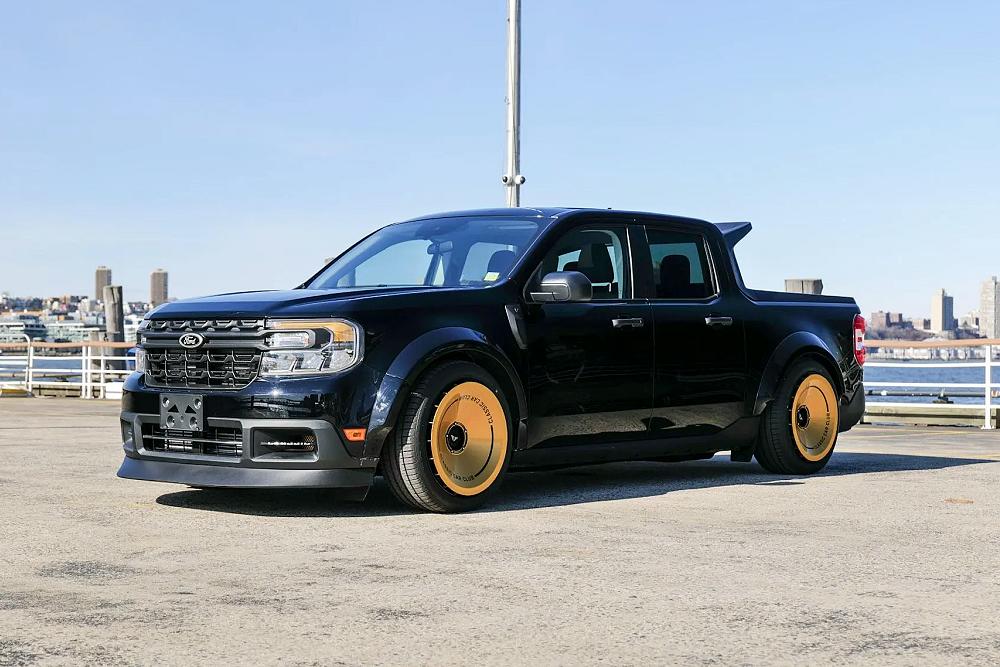
And most of that reaction came down to one thing: those gold wheels.
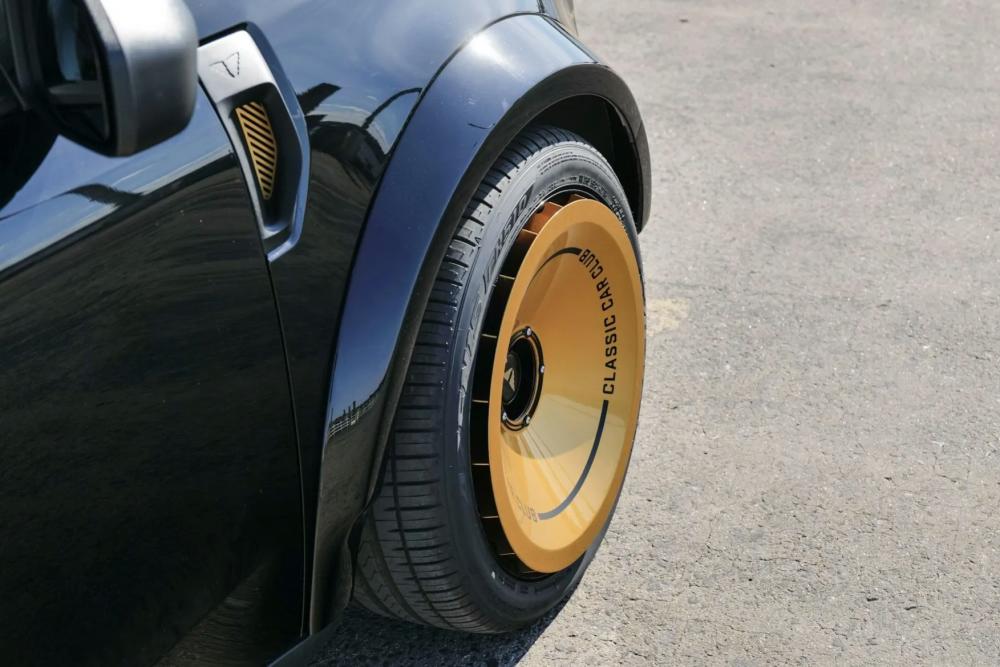
At first, the gold turbofan wheel covers reminded me of the gold wheels used on the 1980 Pontiac Turbo Trans Am. That seemed like it might work. Then I looked at them a little longer. They look like giant speaker woofers. Seriously. It looks like music should be coming out of them. The gold wheels look terrible on this truck.
They kind of remind me of the wheels on the 1980 Pontiac Turbo Trans Am. That car could pull it off.
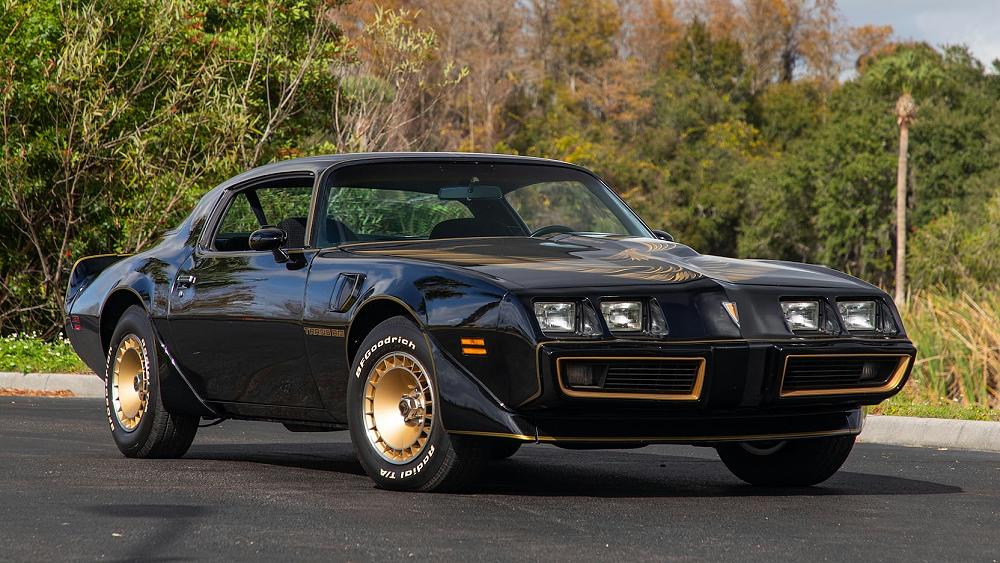
The reason the gold wheels worked on the Trans Am was because the gold wasn’t just on the wheels. The car had gold accents and pinstriping, along with that huge gold hood bird — the famous “screaming chicken” that tied it all together.
The black Maverick doesn’t do that. It’s a black truck with a bunch of gold circles stuck underneath it.
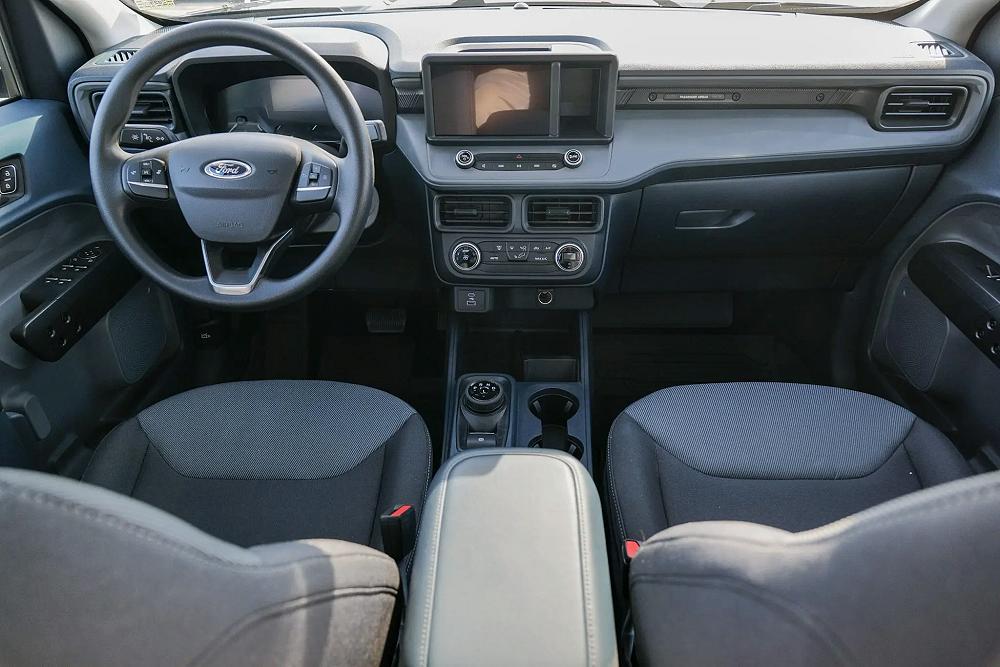
And then there’s the interior. It’s basically slate gray.
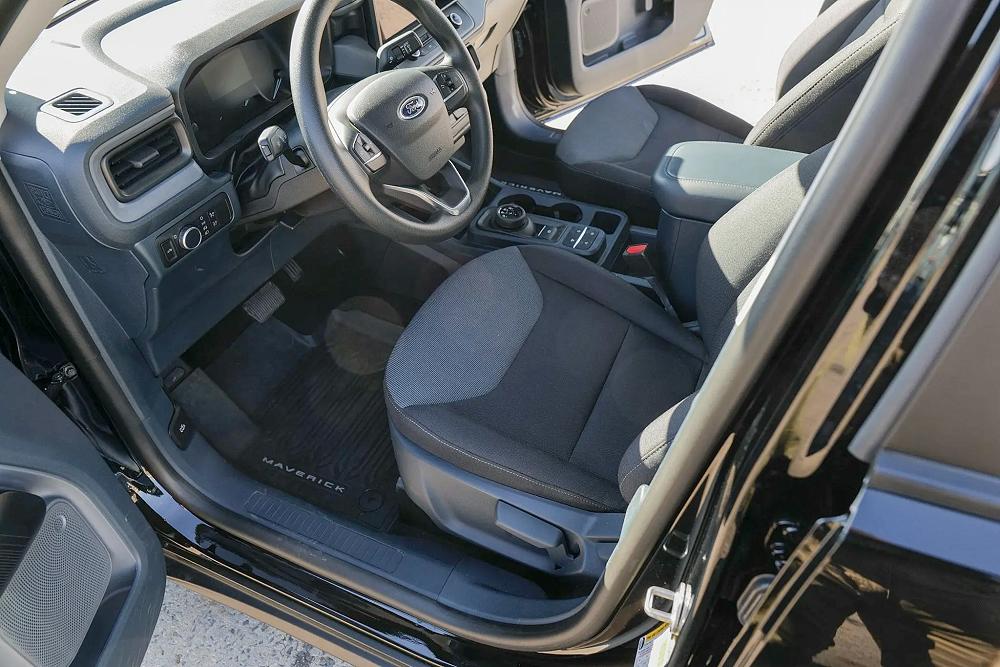
If you’re going to build a black street truck with gold wheels, I’d expect the interior to have some personality. Black leather. Tan leather. Something that ties the whole thing together. You can’t go from gold on the exterior to gray on the interior.
And I think I know what happened when people saw this truck for sale.
They looked at the pictures, saw those giant gold woofer wheels and thought:
“If I bought that, I’d have to buy new wheels.”
Next!
But Here’s The Thing…
The more I thought about this truck, the more interesting it became. Because underneath the styling choices I don’t like is a pretty serious little street truck.
This wasn’t some backyard Maverick with lowering springs and a set of wheels thrown on it. Tucci Hot Rods built it.
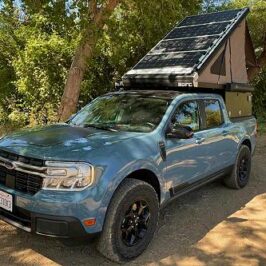
It’s the second Maverick the shop modified, and it followed the company’s first Maverick build — the Pearl Blue Maverick that Tucci took to the 2021 SEMA Show.
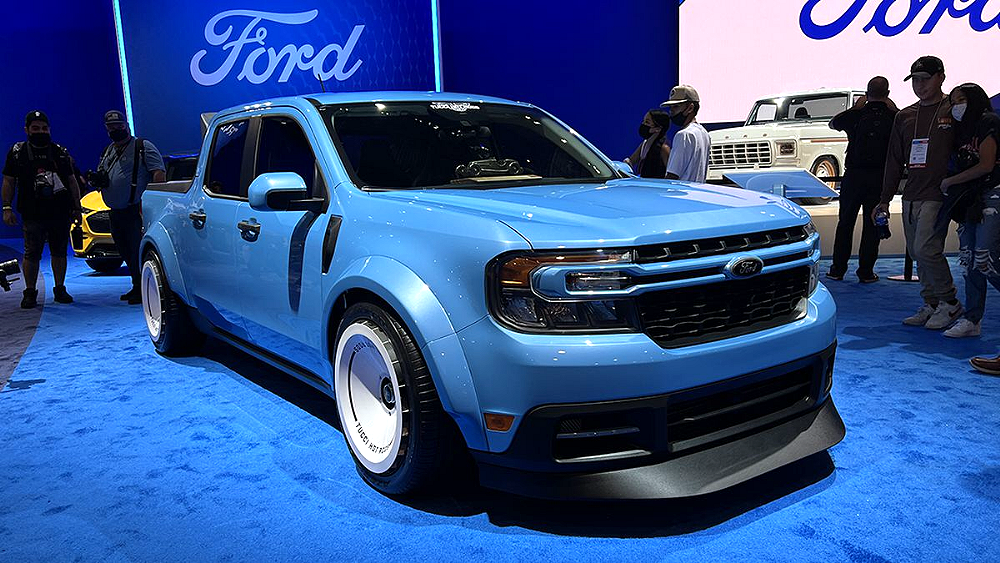
That first truck really brought the cool factor. It was finished in a custom pearl blue, slammed on ISC coilovers and wore 20×9-inch steel wheels with white turbofan covers. It also received a 3D-printed widebody, front splitter, huge rear spoiler and a custom Borla exhaust.
Tucci went pretty far with that truck, including four Recaro Sportster CS seats and a custom rear console.
And apparently Ford was paying attention.
The first Tucci Maverick helped demonstrate what could be done with the little unibody pickup, and the low, aggressive street-truck concept eventually found its way into the factory Maverick Lobo. Ford has openly described the Lobo as an on-road performance truck, using parts from other vehicles in Ford’s global parts bin.
That’s what makes the black truck interesting to me. The first Tucci Maverick was a show truck. The second one was intended to be more usable.
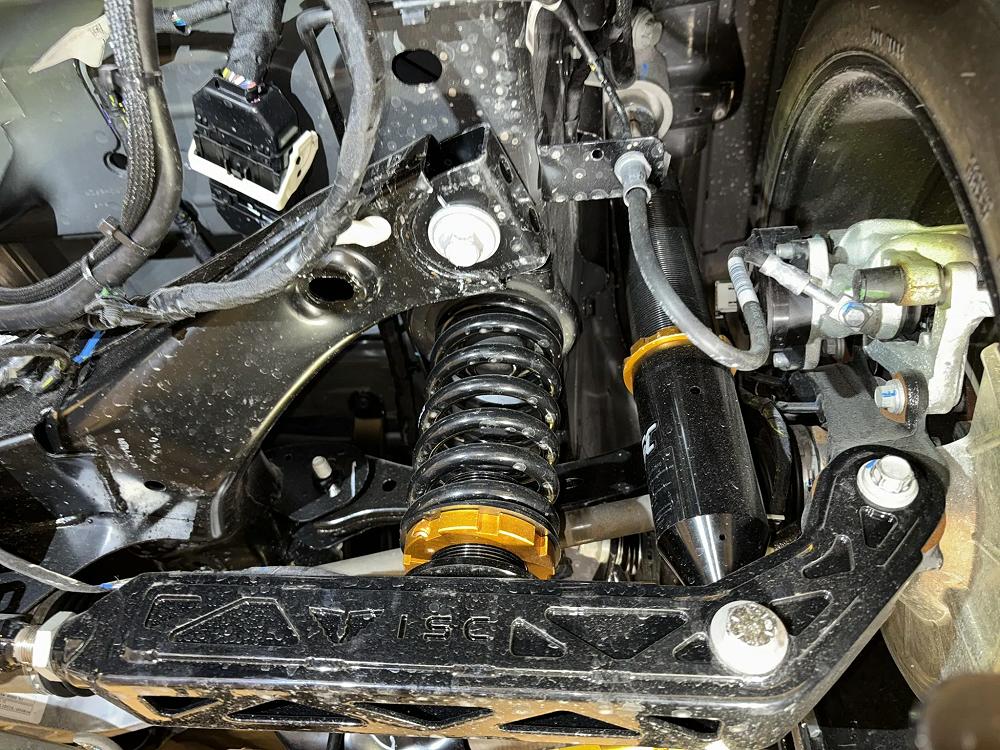
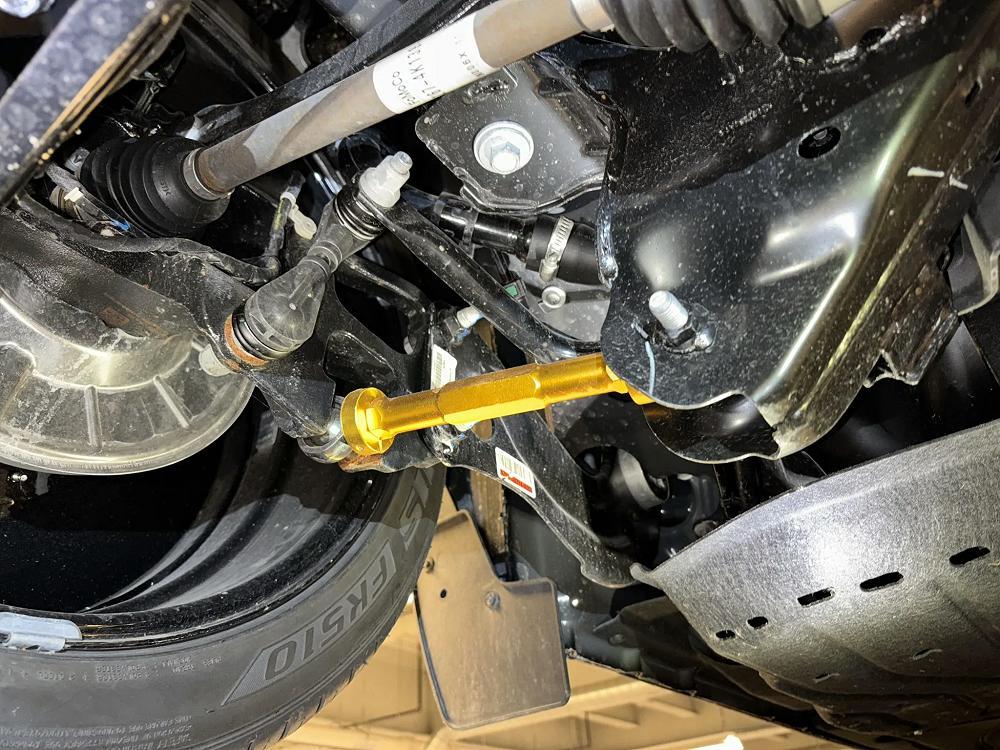
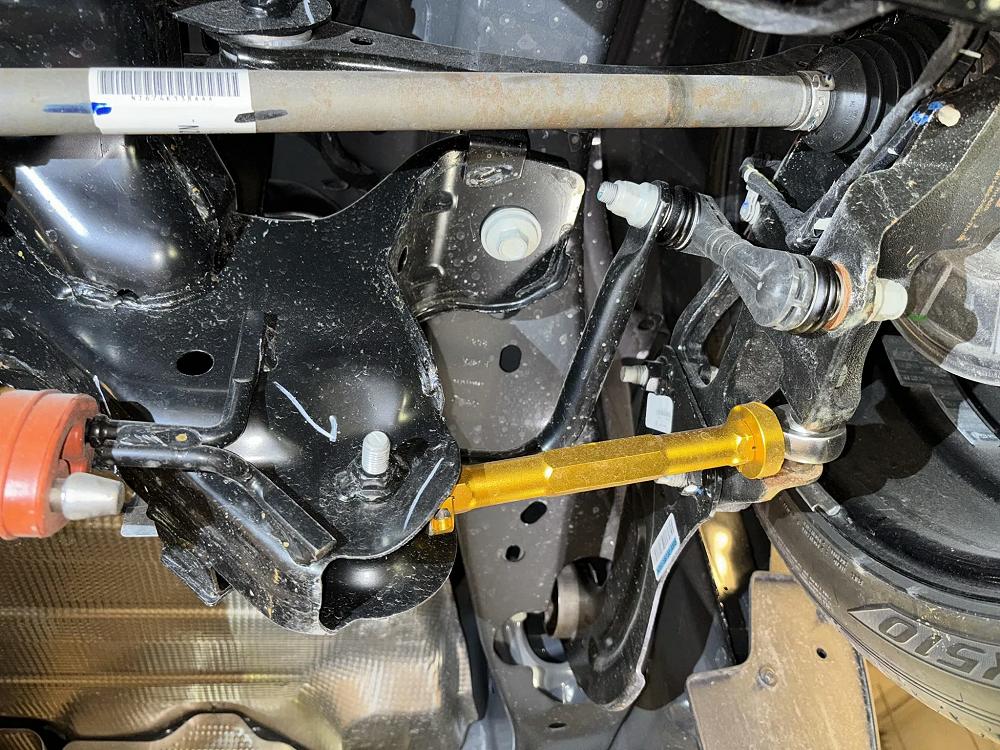
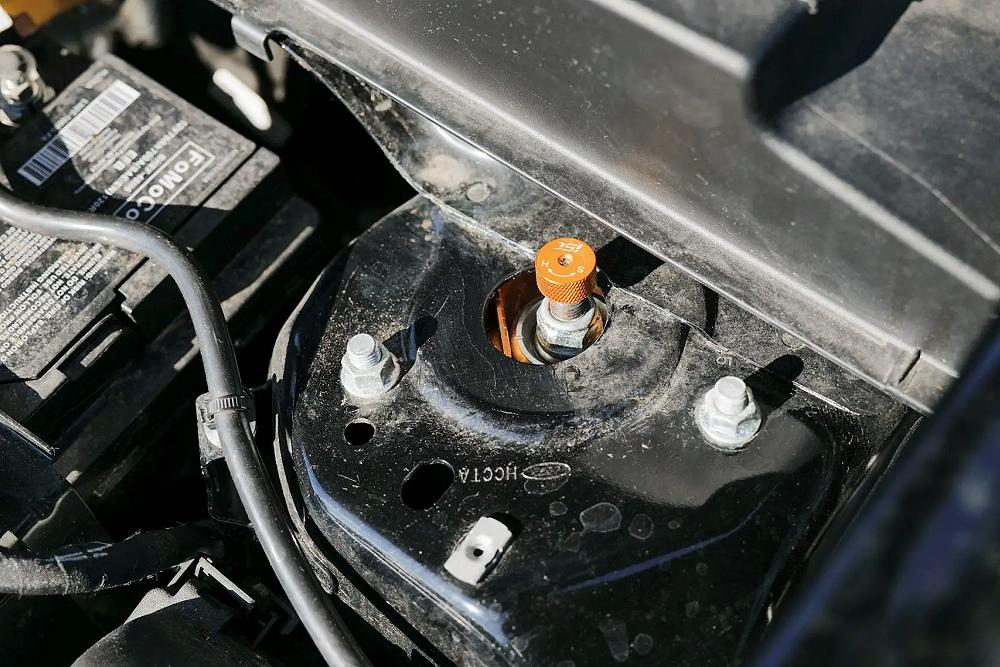
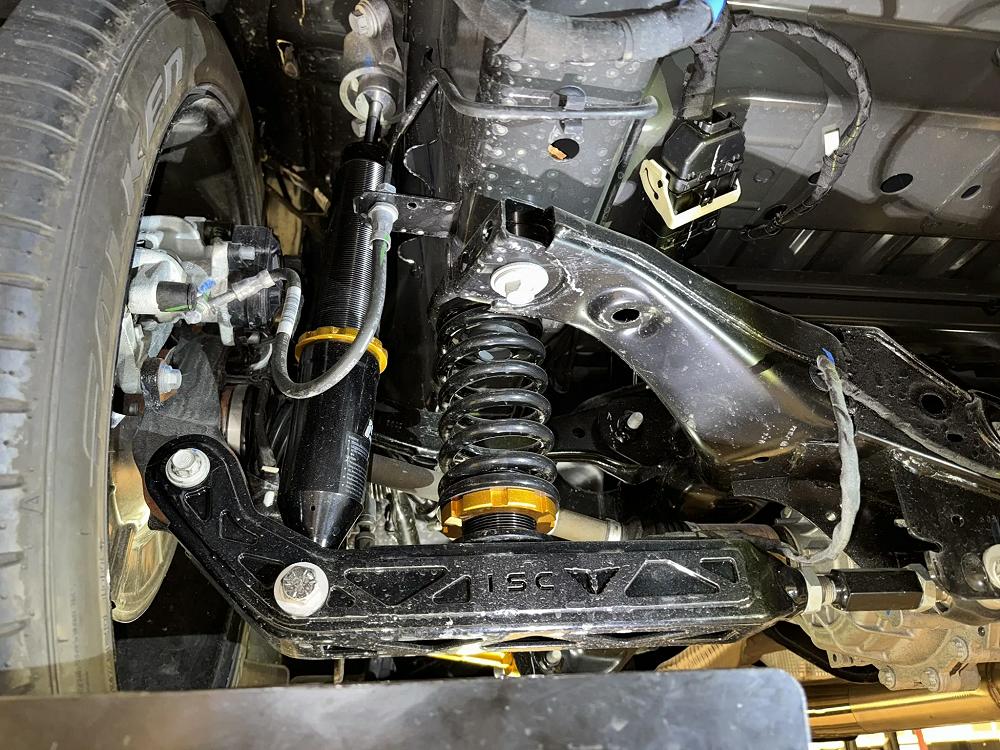
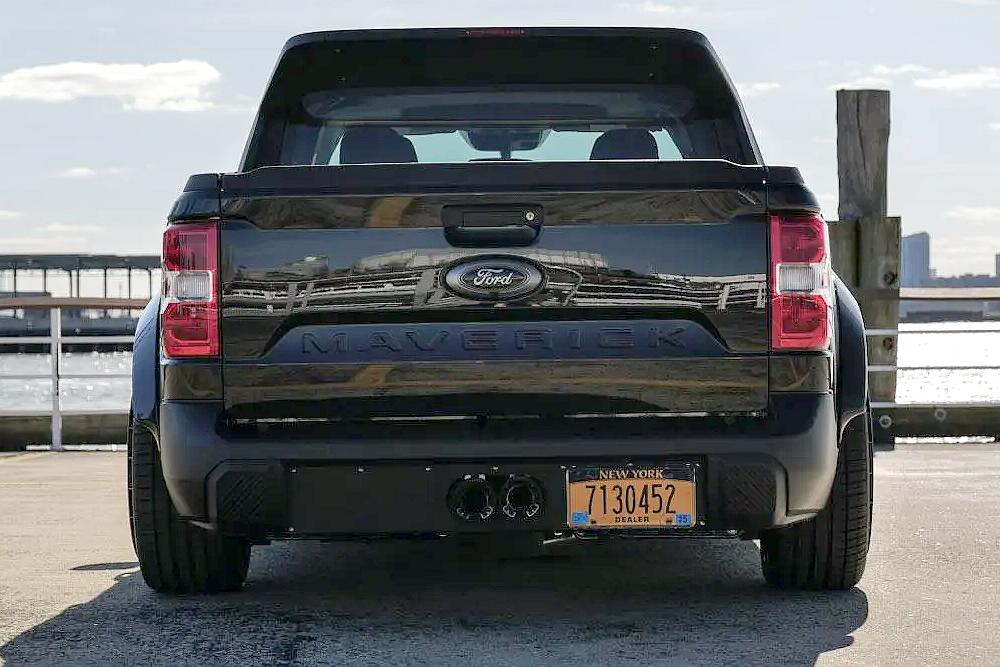
Tucci started with a 2022 Maverick XL AWD and gave it the aggressive stance without completely turning it into a race car. It received ISC coilovers, custom rear lower control arms, color-matched fender flares, a custom front bumper and lip spoiler, fender vents, a high-mounted rear wing and a custom stainless exhaust with Borla mufflers.
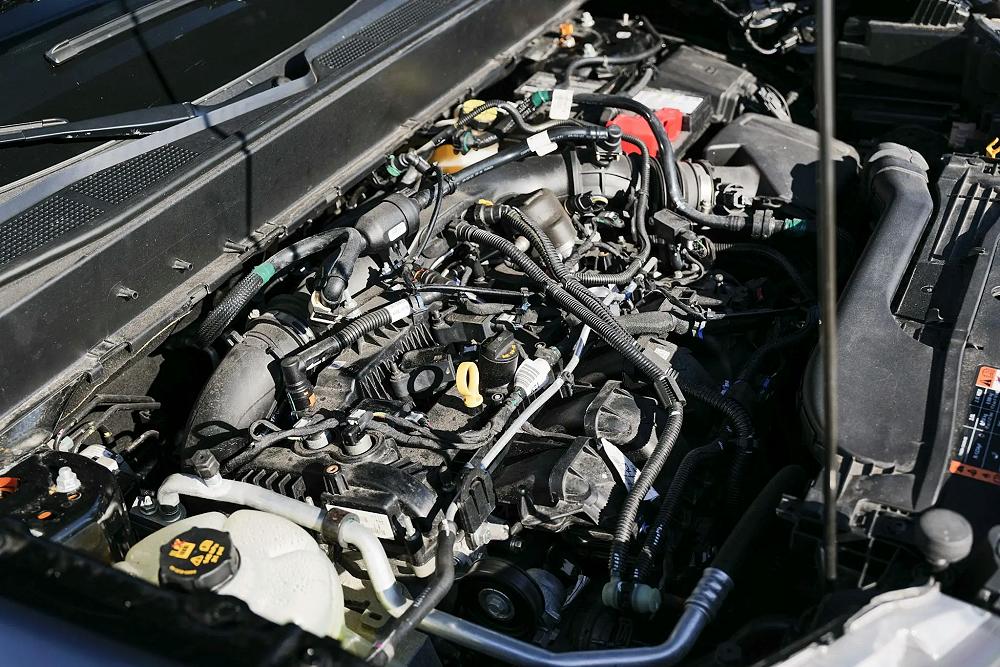
The 2.0-liter EcoBoost and eight-speed automatic were left alone.
That’s probably a good thing. The truck was supposed to be something you could actually drive.
It also retained the factory rear seat and interior rather than getting the four-bucket-seat treatment of the SEMA truck.
That’s where I think Tucci got it right.
I just don’t think they got the wheels right.
It Can Be Greater Than The Lobo
This is where my opinion of the truck changes.
If I were the guy who bought this Maverick, the first thing I’d do is remove those gold turbofan covers. I’d probably keep the 20-inch wheels underneath them and put some serious rubber on them. And then I’d start looking at what Ford did with the Maverick Lobo. Because the Lobo is a pretty interesting truck.
Ford didn’t give the Lobo more horsepower. It still uses the 2.0-liter EcoBoost, producing 250 horsepower and 277 lb-ft of torque. What Ford did instead was attack the parts that make a truck handle.
The Lobo gets a quicker steering rack from the European Ford Kuga, larger front brakes with dual-piston calipers from the European-market Focus ST, a lowered and retuned suspension, upgraded cooling hardware and, most importantly, a twin-clutch rear drive unit that provides torque vectoring.
That rear differential is the really interesting part.
The Lobo’s twin-clutch rear drive unit came from the Maverick Tremor and Bronco Sport. In Lobo mode, it can send torque across the rear axle to help the truck rotate through a corner. Ford designed Lobo mode specifically around closed-course driving, autocross and having some fun with the rear end.
And here’s where the black Tucci truck starts getting interesting.
It already has the suspension.
It already has the lowered stance.
It already has 20-inch wheels.
It already has a custom exhaust.
It’s already been professionally built.
So instead of trying to make it look like a Lobo, I’d build something that goes beyond what Ford did with the Lobo.
Step 1: Different Wheels & Better Tires
I’d put the right set of wheels on this truck and give it a more aggressive street-truck appearance. And I’d put some real performance tires on it.
This isn’t just my opinion about tires. The Lobo has actually demonstrated how much the factory tires hold the truck back.
Car and Driver tested a Lobo at 5.8 seconds to 60 mph and 14.5 seconds through the quarter-mile. But the truck’s Goodyear all-season tires limited its braking and cornering performance. In their testing, the Lobo stopped from 70 mph in 188 feet and pulled 0.85 g on the skidpad.
Then they put Michelin Pilot Sport 4 summer tires on it.
Skidpad grip increased to 0.90 g, and 70-mph braking dropped from 188 feet to 164 feet. That’s a pretty significant improvement from something as simple as changing tires.
Step 2: Improve The Brakes & Steering
This is where Ford’s parts-bin engineering gets interesting. The Lobo uses larger front brakes with dual-piston calipers, and Ford sourced the calipers from the European Focus ST. It also uses the quicker steering rack from the European Kuga.
Those are exactly the kinds of modifications I’d investigate for the Tucci truck. The nice thing about Ford’s modern unibody platforms is that there are a lot of related vehicles sharing architecture and components.
Step 3: Make Some Horsepower
This thing needs 300 – 350 horsepower.
The 2.0-liter EcoBoost has a tremendous amount of aftermarket support. A basic ECU tune and supporting modifications can push the 2.0 EcoBoost considerably beyond its factory output. Depending on the combination of fuel, turbocharger, intercooler, exhaust, fuel system and calibration, enthusiasts have taken these engines into the 300-plus horsepower range, with substantially more possible when you start upgrading the turbo and fuel system.
I’ve seen figures around 350-wheel horsepower on stock internals, while more heavily built engines with forged internals and larger turbochargers can go considerably farther. I’m not saying that somebody should simply flash a tune onto a stock Maverick and assume they’re going to have a trouble-free 350 horsepower. There’s a difference between making a number and building a truck that can live with that number.
That’s exactly what would make this project interesting.
I’d start with the basic bolt-ons — intercooler, intake, exhaust and the appropriate fuel system upgrades — and have the truck professionally tuned for the fuel I’d actually be running.
I’d want 300 horsepower as the starting point. And if I could get the combination sorted out reliably at 350 horsepower, that’s where I’d want to be.
Remember, we’re starting with a truck that already has the Tucci suspension, custom rear control arms, 20-inch wheels and custom exhaust. Add serious tires, better brakes, quicker steering and 300–350 horsepower, and you’ve got something that starts looking a whole lot different from a stock Maverick.
Step 4: What About The Lobo’s Rear Differential?
Now we’re getting into the part that makes me say: This is why I don’t like modern vehicles.
Not because the technology isn’t cool. It is.
The Lobo’s twin-clutch rear drive unit is a pretty slick piece of hardware. But try putting one in another Maverick and you’ll quickly discover that modern vehicles aren’t just mechanical machines anymore. They’re computers with wheels.
The Lobo’s twin-clutch rear drive unit is also used in the Maverick Tremor and Bronco Sport, which makes the idea of putting one into another Maverick incredibly tempting. But this is where the project could go from a fun weekend mechanical build to a giant electronic headache.
You can’t just unbolt the rear differential, bolt in the Lobo unit and expect everything to work. The torque-vectoring system isn’t just a mechanical limited-slip differential. The vehicle has to know what that rear drive unit is doing and control it.
That means wiring.
Modules.
Programming.
Drive modes.
Communication between computers.
With this Maverick, you could spend more time trying to convince the computers that you’ve installed the right part than you spend installing the part. That’s the downside of modern technology.
This Maverick with the Lobo’s torque-vectoring rear drive unit, serious tires, upgraded brakes, quicker steering, the Tucci suspension and 350 horsepower would be one hell of a street truck.
More Photos
About The Author

Growing up, my father always believed that every family needed a truck—there’s just something about having a vehicle capable of hauling anything at a moment’s notice. That philosophy stuck with me, and it’s been the foundation of my lifelong passion for Ford trucks.
While I’m best known for my work with Ford Rangers, I’ve owned a wide variety of Ford trucks over the years—including F-150s, F-250s, F-350s, and even larger rigs like the Ford Excursion, Ford Expedition, and a 1982 Ford Econoline Sportsmobile camper van. I’ve used these vehicles for everything from family transportation to towing car trailers and campers, and each one has fueled my love for Ford’s versatility and durability.
I especially enjoy the styling of 1970s and 1980s Ford trucks—the bold designs, rugged presence, and classic charm are timeless. Sharing my passion for Ford trucks, vans, and SUVs with other enthusiasts online brings me a great deal of joy, and it’s why I created Blue Oval Trucks.
This website is dedicated to helping Ford truck enthusiasts explore, learn about, and celebrate these incredible vehicles. While I share my expertise and experiences here, Blue Oval Trucks is an independent enthusiast site and is not affiliated with Ford Motor Company.